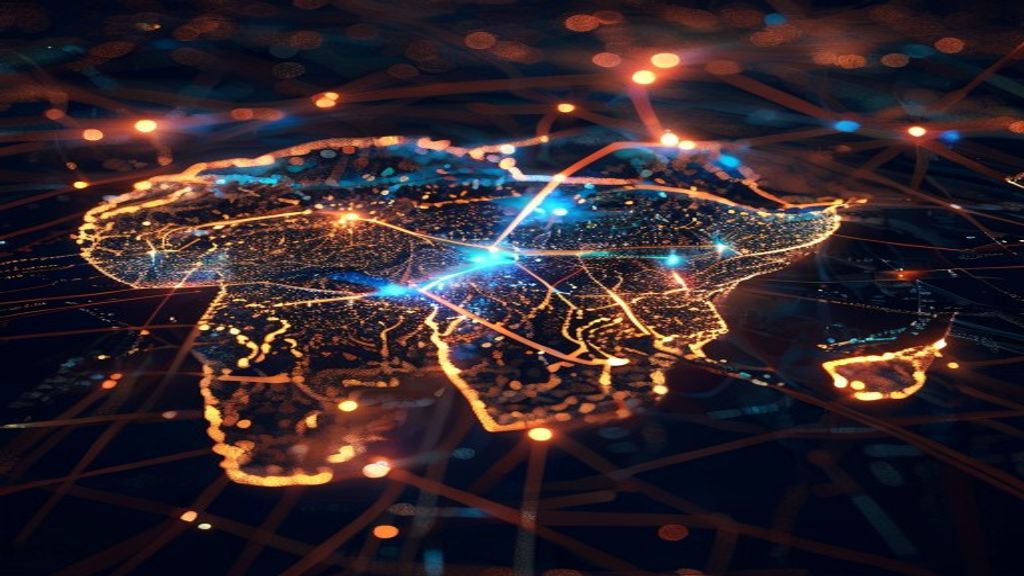
African content creators are bypassing Western media gatekeepers to reclaim their own stories. For decades, a narrow lens of conflict and poverty has defined the continent. Now, a digital shift is rewriting that script.
From Lagos to the world, new tools are breaking old barriers. This movement uses social platforms to showcase authentic local realities, from tech hubs to fashion. But high production costs and internet access remain significant hurdles for the next wave of creators.
As digital tools expand, the stakes involve the long-term cultural identity of the continent's youth. The shift is already visible in Nigeria and Kenya, where high-production storytelling is rising. The goal is simple: Africans must take the lead in shaping their own global image.
The digital shift begins in Lagos
Content creators in Lagos are bypassing traditional media gatekeepers. They are using social platforms to showcase everyday lives of ordinary Africans[1]. This movement focuses on culture and innovation.
Digital storytellers are now calling for stronger support for their work. They want to move away from the way Western media focuses on conflict and poverty[1]. The goal is to change how the world sees the continent.
TikTok and Instagram are central to this shift. These platforms allow creators to reach audiences directly and authentically[1]. It removes the need for middleman approval.
It is a fight for identity.
Creators are now urging governments and international organisations to act. They want dedicated grants and partnerships[1] that prioritise local content over imported media. This could protect the cultural identity of the continent's youth.
Success depends on cooperation. New initiatives involve sharing resources and creating regional content hubs. These hubs support cross-border storytelling to build a unified narrative. High-production storytelling is already rising in Nigeria and Kenya.
Breaking the stereotype cycle
Western media often focuses on conflict and poverty regarding Africa[1]. This narrow lens has long defined the continent for global audiences. It ignores the reality of modern urban life.
Digital creators are changing that narrative. They use short-form video to showcase tech hubs, fashion, and innovation. These creators urge Africans to take the lead[1] in shaping their own global image.
Instagram and TikTok are the primary tools for this shift. These platforms allow creators to bypass traditional gatekeepers. They reach global audiences directly and authentically.
Authenticity is the new currency.
By sharing unscripted moments, influencers build trust with viewers. Their content highlights the everyday lives of ordinary Africans. This includes everything from local street food to high-end design.
This visual storytelling changes how people see African cities. The focus has shifted toward culture and progress. It is no longer just about crisis.
Creators are now calling for structural support. They want governments and international organisations to establish dedicated grants. These funds should prioritise local content production over imported media.
The cost of digital representation
High production costs remain a barrier for many storytellers. Professional cameras and lighting kits are often too expensive for independent creators working alone. Reliable internet access is another hurdle that limits who can participate in the digital economy.
In regions like Ethiopia and the DRC, high data costs act as a gatekeeper. These expenses make it difficult for creators to upload high-quality video content regularly. Without cheaper access, the movement risks being limited to those in wealthier urban hubs.
Yet, the economic potential for local small businesses is growing. The creator economy allows local shops to reach new customers through authentic partnerships. Brands are now shifting their advertising spend toward these authentic voices to find real engagement.
This shift creates a new way to trade. Small enterprises can use short-form video to showcase products directly to global audiences without expensive agencies.
Success requires more than just a smartphone. Creators are calling for dedicated grants and partnerships[1] to prioritise local production. These funds would help bridge the gap between raw footage and professional-grade storytelling.
A new way to reach the world
Digital platforms are removing the old barriers to global visibility. TikTok and Instagram are crucial[1] for bypassing traditional gatekeepers. These tools allow creators to reach audiences directly and authentically.
This shift changes the role of the African storyteller. Instead of being the subject of news, they are now the narrators. They use short-form video to present their own realities without waiting for permission from Western editors.
One creator's journey illustrates this power. A local vlogger started by sharing daily life in their city. Today, that same person works as a global brand partner.
But the path is not without tension. Creators must balance their original authenticity against the pressure of viral algorithms. Chasing views can sometimes threaten the very truth they aim to share.
Success requires more than just a smartphone. Influencers are now calling for stronger support for digital storytellers. They want to ensure this new wave of media can sustain itself long-term.
What the next decade holds
Local streaming platforms are preparing to challenge global giants. New services aim to compete directly with Netflix and Disney+ by focusing on regional hits. This expansion relies on a growing wave of investment in African animation and film studios.
Industry leaders are looking toward the end of 2024. Several creator meetups and industry summits are scheduled for the coming months. These gatherings will focus on building regional content hubs and sharing resources to support cross-border storytelling.
But the movement needs more than just views.
Creators are urging governments and international organisations[1] to establish dedicated grants. They want partnerships that prioritise local content production over imported media. The central question is whether this digital reach can eventually translate into permanent policy change.
Success depends on structural support. Without dedicated funding, the ability to produce high-quality, homegrown stories remains at risk.
The central question is whether this digital reach can eventually translate into permanent policy change. Creators are now waiting to see if governments will establish the dedicated grants and partnerships needed to sustain local production. The next industry summits will focus on building the regional hubs required to make this vision permanent.