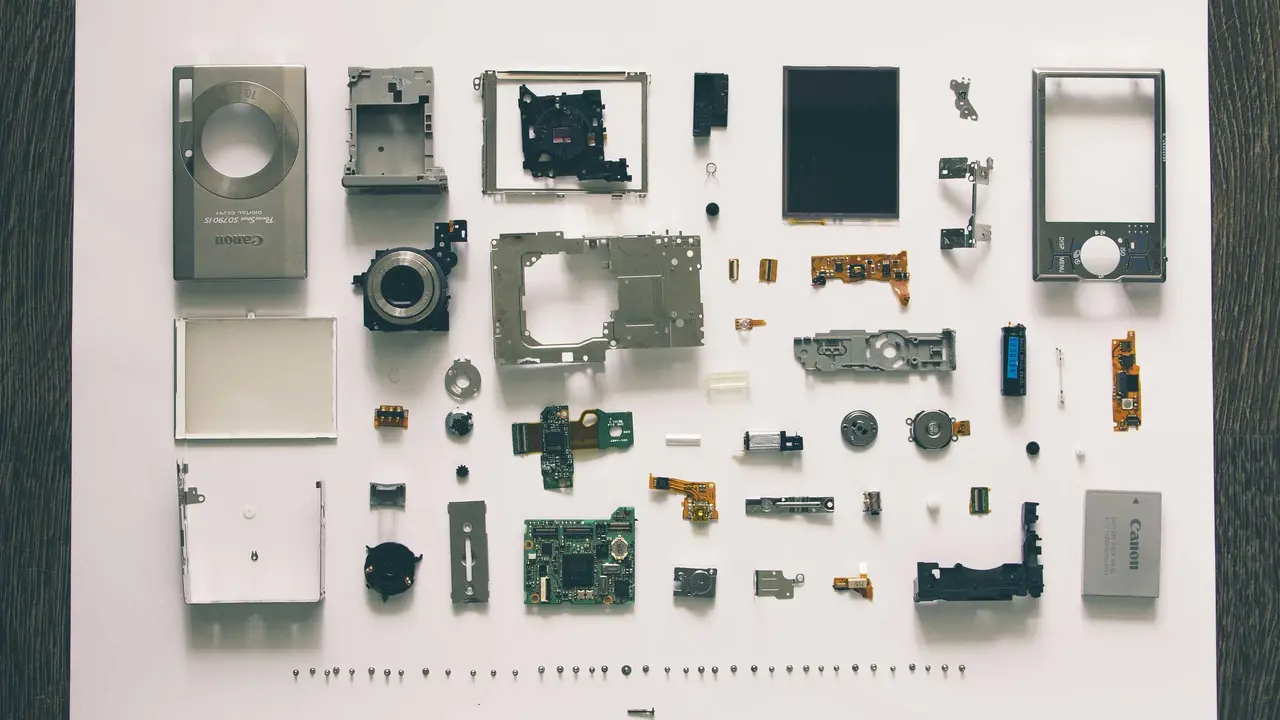
The rumored 2027 launch for next-gen consoles is likely hitting a massive roadblock. While leaks suggest a much sooner arrival, industrial realities point toward a significant delay. The timeline for PlayStation 6 and Xbox Helix is shifting. New supply chain data reveals why the 2027 window is no longer viable. Semiconductor shortages and manufacturing constraints are pushing the next generation to 2028. This shift is driven by physical limitations that marketing speculation cannot bypass. Foundry schedules at TSMC and Samsung are already committed to mobile and AI processors through late 2027. This leaves insufficient wafer allocation for the massive custom APU requirements of new consoles. Furthermore, an ongoing RAM shortage threatens the assembly lines necessary for a timely release.
Supply Chain Data Overrides 2027 Rumors
The next generation of gaming consoles will likely launch in 2028 rather than 2027. While much of the recent conversation revolves around unverified leaks, the physical reality of hardware production tells a different story.
Recent rumors suggest a much tighter window. A major leaker claims[2] that both the PS6 and Xbox Project Helix are still on track for a Holiday 2027 launch. These reports often stem from marketing speculation or developer whispers that lack visibility into the factory floor. They focus on what companies want to happen, rather than what they can actually build.
To find the truth, you must look at the semiconductor supply chain. This is the single most reliable predictor of hardware release dates. Unlike a marketing leak, supply chain data reflects physical manufacturing capacity and component availability. These are constraints that cannot be faked, ignored, or rushed by a clever PR campaign.
One major factor is the ongoing RAM shortage[1], which could push the PS6 release back until at least 2028. When essential parts are unavailable, the entire assembly line stops. This shortage is a concrete bottleneck that no amount of hype can bypass.
This analysis resolves the conflict between industry hype and industrial reality. By prioritizing verifiable manufacturing data over unconfirmed insider whispers, we can see why the 2027 window is increasingly unlikely. The hardware simply cannot exist without the underlying silicon and memory being produced in sufficient quantities.
Semiconductor Constraints Force the Delay
Advanced chip fabrication capacity determines when new hardware hits shelves. While some leakers claim a 2027 launch[2] is still possible, the physical reality of the foundry schedule tells a different story. The bottleneck begins with the availability of advanced nodes at major foundries.
TSMC and Samsung have already committed their high-end production capacity through late 2027. These foundries prioritize existing long-term contracts for mobile processors and AI accelerators. This leaves very little room for the massive wafer allocation required for new console architectures.
The core of the console is the custom APU. This chip combines the CPU and GPU into a single unit. To build this, manufacturers need specific, large-scale wafer allocations. These allocations cannot be easily shifted from other major clients without disrupting the entire global supply chain.
The reason this is harder than it looks is the failure of early prototypes. Initial testing of the next-gen architecture revealed significant problems with thermal and power efficiency. The chips were running too hot and consuming too much energy for a standard console enclosure. This necessitated a fundamental redesign of the silicon.
Redesigning a chip is not a quick fix. A full silicon revision cycle typically requires 12 to 18 months. This includes new mask creation, testing, and validation. If the redesign process begins now, the earliest viable production start date moves to mid-2027.
This timeline creates a mathematical impossibility for a 2027 release. Manufacturers must begin mass production at least six months before the retail launch. This window allows for assembly, testing, and global shipping. If production only starts in mid-2027, the hardware cannot reach stores until 2028.
Additionally, the ongoing RAM shortage[1] adds further pressure to the timeline. Even if the logic chips are ready, the memory components must be available in massive quantities. Without these parts, the consoles simply cannot be assembled.
What remains unsolved is the exact yield rate for the new nodes. Until we see stable manufacturing data, the 2028 window remains the most realistic estimate.
Software Ecosystem Readiness Impacts Timing
Hardware availability is only half of the equation for a successful console generation. Even if the manufacturing bottlenecks mentioned previously were resolved, a 2027 launch would likely fail due to a lack of software depth. The industry cannot simply flip a switch and move all development to new architectures overnight.
Major studios are currently locked into long-term development cycles for the current generation. Many teams are still focused on optimizing existing titles for ray tracing and high-fidelity textures. These projects require immense engineering resources. Shifting these teams to a new platform in 2027 even before the hardware is stable would create massive technical debt.
Transitioning to a new architecture carries high costs for developers. A 2027 release would likely trigger a software drought. Studios would be forced to choose between finishing current-gen projects or rushing unoptimized titles for the new hardware. This choice creates a vacuum where no high-quality, native games are available to justify the purchase.
Think of it this way: a new car is useless without a road network. The middleware that powers modern games—such as physics engines and AI tools—functions as that infrastructure. These tools must be updated to leverage new hardware capabilities. This update cycle is a complex, multi-stage process. Engineers must rewrite low-level code to ensure the new silicon handles complex calculations efficiently. This adaptation cannot be rushed without risking widespread performance issues.
Moving the launch to 2028 allows for a more natural transition. A later window gives developers the time to complete their current pipelines. It also provides the necessary runway to begin building native, next-gen titles that truly showcase the new power. This prevents the industry from repeating the mistakes of previous generations. Releasing powerful hardware without a robust library of flagship games is a recipe for a failed launch.
Consumer Strategy and Market Positioning
Waiting for the 2028 launch window offers a strategic advantage for hardware buyers. While rumors suggest a Holiday 2027 release[2], the industrial realities of the supply chain point toward a later date. This delay changes the fundamental nature of the launch from a period of scarcity to one of stability.
Buying during the first wave of a new generation often comes with a high cost. The launches of the PS5 and Xbox Series X were defined by extreme shortages and secondary market price gouging. A 2028 launch, however, aligns with a more predictable manufacturing cycle. Because the semiconductor supply chain is already accounting for these extended timelines, the initial production runs are more likely to meet global demand. This stability helps ensure that units reach retail shelves in sufficient quantities to prevent the chaos of previous cycles.
Sony and Microsoft are also likely to use this timeline to manage market competition. Instead of a head-to-head battle for dominance in a single window, the companies can stagger their releases across the 2028 holiday season. This approach avoids a direct clash of hardware and allows both ecosystems to grow without cannibalizing each other's initial momentum. It turns a potential manufacturing bottleneck into a controlled market rollout.
To track the actual progress of these consoles, ignore developer leaks and watch the industrial indicators. The most reliable way to predict a final date is to monitor TSMC capacity announcements and semiconductor yield reports. These documents reveal the actual physical ability to produce hardware. If fabrication capacity remains locked for other clients, the 2028 window remains the most logical target.
You can now plan your hardware upgrades with more certainty. The evidence supports a 2028 window, allowing you to avoid the pressure of speculative rumors and the high costs of early-adoption scarcity.