Five video game anti-heroes outclass Homelander in pure depravity. These digital legends make Vought's greatest threats look like amateurs. A single decision in a role-playing game can carry more weight than any television outburst.
The standard for villainy is shifting
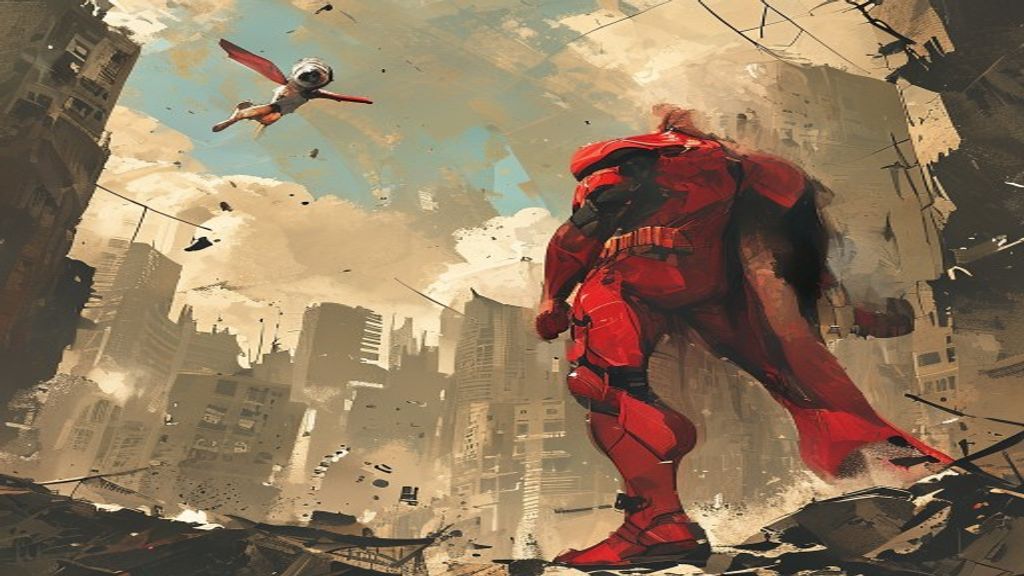
Homelander uses public terror to maintain his grip on power. The The Boys characters[2] rely on psychological instability and sudden violence to shock audiences. This pattern of instability makes the flagship hero of Vought a prime subject for character deconstruction.
Modern audiences are looking for deeper moral decay. While television relies on shock value, gaming offers a more complex look at broken morality. Players now seek out digital worlds where the line between hero and villain is permanently blurred.
Search interest for the franchise remains high. People are increasingly fascinated by how characters like Billy Butcher[1] confront superhuman threats. This fascination provides a baseline for comparing Vought's flagship hero to established gaming icons.
Digital protagonists often push the boundaries of depravity much further than any TV antagonist. These characters do not just cause harm; they redefine what it means to be a villain.
The Butcher of the Wasteland
Kratos left a trail of broken gods across his path. His early era of destruction was absolute. Unlike Homelander, who craves the adulation of the public, this god-killer operated with a chilling indifference to the lives he ended.
This lack of a need for approval changes the nature of the violence. While Vought's flagship hero relies on terror tactics to maintain his image, the scale of a digital god-slayer is far more vast. The combat mechanics in these games force players to participate in the carnage.
Every swing of a blade or heavy strike carries the weight of player agency. You are not just watching a screen for shock value. You are the one driving the destruction through the wasteland. This direct involvement makes the morality of gaming's most brutal icons feel much more visceral than the scripted outbursts of a television villain.
A different kind of psychological terror
Vaas Montenegro uses words to break his victims. Unlike the blunt, physical terror of Homelander's public outbursts[3], the Far Cry villain relies on manipulation. He targets the mind rather than just the body.
This distinction creates a deeper sense of dread. While television relies on shock value and sudden violence, gaming builds a suffocating atmosphere. Players find themselves trapped in a loop of inescapable tension.
The game uses environment and dialogue to erode the player's sense of safety. You are not just watching a villain; you are experiencing his madness.
This psychological pressure is far more effective than simple carnage. It leaves a lasting impact that physical destruction cannot match.
The cost of power in digital worlds
Geralt of Rivia handles these "lesser evils" with a weary pragmatism. He does not seek the public approval that Homelander craves[3]. Instead, he simply tries to survive the consequences of his actions.
This distinction separates the anti-hero from the true villain. A villain acts without restraint or regard for the fallout. An anti-hero operates within a system of consequences.
In games like The Witcher, the narrative forces empathy through agency. You are not just watching a character fail. You are the one deciding which innocent person dies to save a village.
Such consequence-driven stories change how we view morality. The impact is personal. It turns a simple story into a haunting reflection of our own choices.
When heroes lose their humanity
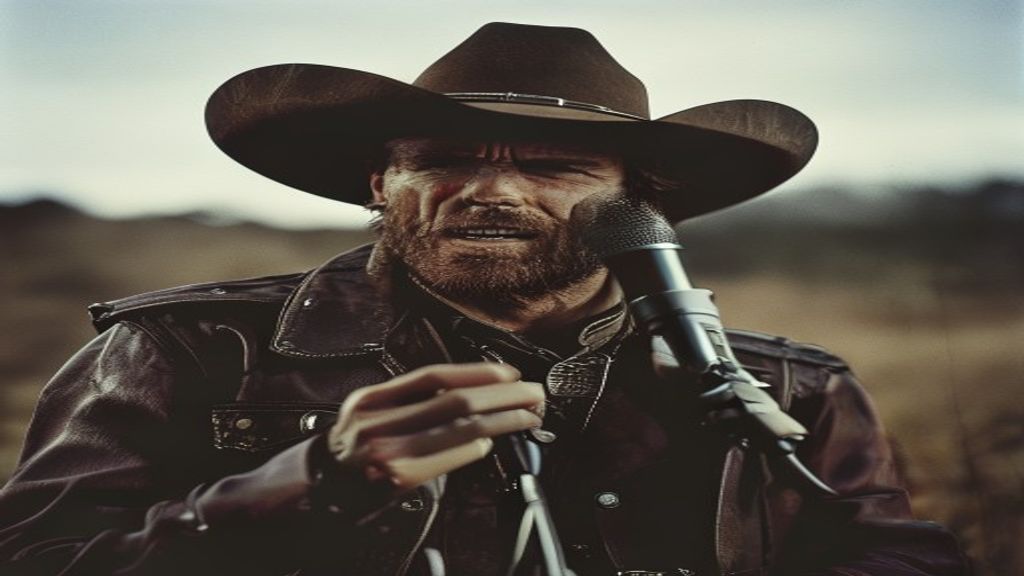
Arthur Morgan's descent provides a blueprint for tragic decay. The outlaw's path in Red Dead Redemption 2 is not a sudden shift into villainy. It is a slow, painful erosion of a man trying to survive a dying era.
This transition feels earned through gameplay. Unlike the static narcissism of Homelander[2], Morgan's actions are tied to a crumbling world. He does not seek approval or public adoration. He simply struggles to find a place in a civilization that no longer wants him.
His moral compass breaks under the weight of loyalty and sickness. The game's structure forces players to witness this collapse firsthand. You see the consequences of every betrayal and every bullet fired.
While television relies on shock value to define its villains, gaming uses narrative structure to validate the problematic nature of its protagonists. The player is not just a witness to the tragedy. They are the ones driving the character toward his inevitable end.
The scale of the carnage
Vought's incidents often target specific cities or small groups. These tragedies feel localized and contained. In contrast, many gaming conflicts involve the collapse of entire civilizations or the death of millions.
Digital worlds allow for a much larger body count. A single battle in an epic-scale game can wipe out entire armies and populations. This scale of destruction far exceeds the televised terror of characters like Homelander[2].
Players experience this through a first-person lens. You do not just watch a city burn from a distance. You are the one pulling the trigger or casting the spell that levels the landscape.
This perspective creates a heavy psychological weight. The carnage is not just a plot point. It is a direct consequence of your own actions in the game.
Why we crave the dark side
Pop culture trends are shifting toward the broken and the unlikable. Audiences no longer want the polished hero. They find a strange validation in seeing the superhero archetype dismantled by characters who lack any moral compass.
Gaming communities have long been obsessed with this decay. Players spend hundreds of hours analyzing the choices of protagonists who cause more harm than good. This fascination provides a sense of depth that traditional television often lacks.
Finding characters even more depraved than Homelander feels like a discovery. It confirms that the darkest corners of digital worlds have already established much higher stakes. The intersection of these trends shows a growing hunger for stories that refuse to provide easy answers.
Darkness is a constant.
While shows like The Boys use shock to grab attention, games use long-term engagement to build a sense of complicity. We do not just watch the destruction. We are the ones pulling the trigger.
The next era of anti-heroes
New digital narratives are pushing moral boundaries further than ever. Developers are moving away from simple good and evil towards characters that force players to question their own ethics. This shift promises even deeper ambiguity in upcoming titles.
Mainstream media is already seeing this evolution. While Billy Butcher[1] represents a brutal response to corruption, future protagonists will likely inhabit even darker spaces. The line between hero and villain is blurring.
Character deconstruction is the new benchmark for cinematic depravity. Television relies on shock, but the next generation of games will use complex choice systems to dismantle the very idea of a hero. The era of the purely unlikable protagonist is ending.
Players will soon face worlds where no choice is truly clean. The industry is preparing for a future where the most memorable characters are those who leave the player feeling truly unsettled.