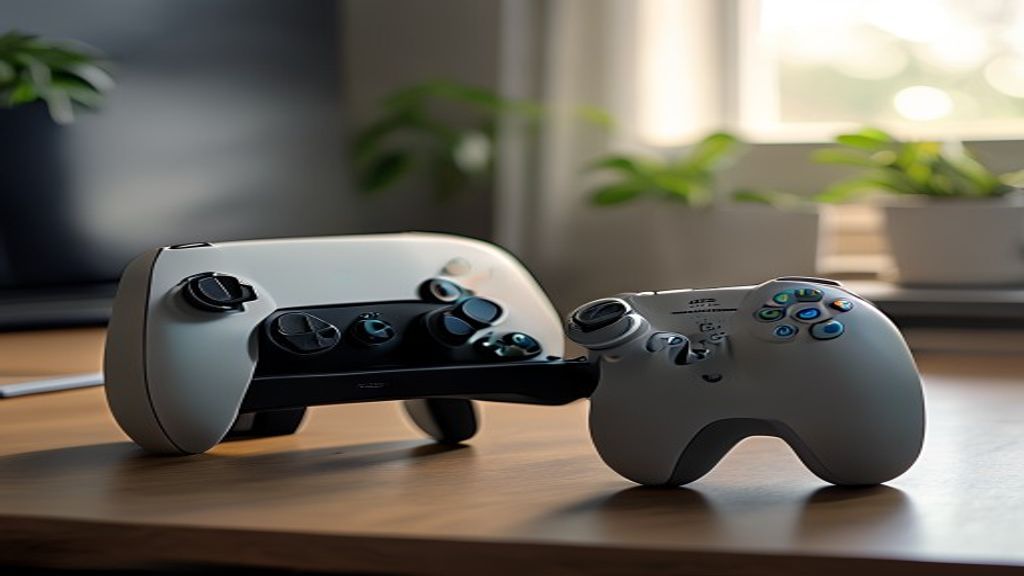
Valve's $949 price hike for the Steam Deck OLED is not a market necessity. By pricing their handheld above the PS5 Pro, Valve is abandoning the very value proposition that built their audience. This shift signals a deeper issue within their operational strategy. We must look past the excuse of component shortages to see the real culprit. This analysis examines whether Valve is managing a supply chain crisis or simply passing failure onto consumers. The sudden jump in cost suggests a company more concerned with protecting immediate margins than maintaining the accessibility that defined its handheld era.
The Verdict: A Supply Chain Failure Disguised as Market Reality
Valve’s decision to raise the Steam Deck OLED price to $949[1] is a failure of supply chain management rather than a strategic market adjustment. This price hike punishes consumers for a component scarcity that the company failed to buffer against.
The cost increase is driven by a shortage of RAM components[2]. Instead of absorbing this volatility, Valve has chosen to pass the entire burden to the end user.
This shift fundamentally breaks the value proposition that defined the handheld's success since its 2022 introduction. The device was built on the promise of affordable, high-performance portable gaming.
At this new price point, the 1TB model now costs more than a PS5 Pro. This represents a complete inversion of hardware value. The PlayStation 5 Pro delivers 4K resolution and ray tracing, whereas the Steam Deck remains limited to much lower resolutions.
Comparing a premium home console to a handheld at this price is illogical. The Steam Deck is now a lot less affordable[2].
This is not an argument against a company's right to set its own prices. It is an indictment of poor inventory planning. Valve has allowed a known market bottleneck to dictate its retail strategy.
The Counterargument: Scarcity Justifies Premium Pricing
Valve operates in a volatile market where supply chains are notoriously unstable. If the cost of goods sold exceeds the retail price, selling at a loss is a recipe for corporate insolvency. The company must remain profitable to fund the continuous development of its software ecosystem and hardware iterations.
Proponents of the price hike argue that the market has already provided its verdict. If consumers continue to purchase the Steam Deck OLED at $949[1], then the demand remains high enough to justify the premium. In this view, the price is not an arbitrary penalty but a reflection of what the current market will bear.
This perspective relies on the idea that scarcity-driven pricing is a temporary necessity. Because the RAM shortage[2] is a specific, localized bottleneck, the increased cost should only persist as long as the supply crunch lasts.
However, normalizing prices based on peak scarcity creates a dangerous precedent. If Valve allows temporary supply fluctuations to dictate long-term retail value, it undermines the stability of its entire product line.
Frequent, unpredictable price shifts erode the trust of the core user base. Buyers may simply choose to wait for a more stable period, potentially stalling sales volume during the very windows when Valve needs them most.
The Judgment: Valve Must Absorb Volatility, Not Pass It On
Scarcity is a real economic pressure, but it is no excuse for abandoning a brand's core value proposition. While the cost of components fluctuates, industry leaders manage these shifts through inventory buffers or production delays rather than immediate, aggressive retail hikes. Valve has chosen the latter, opting to pass costs directly to users[2].
Sony and Nintendo provide a clear precedent for handling market instability. When supply chains tighten, these manufacturers often adjust stock availability or launch staggered releases to maintain price stability. They do not unilaterally raise prices to levels that exceed their own premium hardware.
By setting the Steam Deck OLED 1TB at $949[1], Valve has effectively moved the device into a different market tier. This price point aligns it with high-end gaming laptops and premium enthusiast consoles. It strips away the accessibility that defined the platform's initial success.
This shift alienates the very audience that built Valve's handheld ecosystem. The core Steam Deck user is often a budget-conscious PC gamer looking for high performance at a reasonable entry point. At nearly one thousand dollars, the device is no longer a mass-market tool.
Valve had viable alternatives to this blunt pricing instrument. The company could have temporarily absorbed the margin compression to protect its market share. They could have also introduced a lower-spec model to anchor the price point for the broader community.
Choosing to raise prices instead suggests a failure in strategic planning. Relying on price hikes to solve temporary component shortages[3] is a reactive, short-term fix. It solves an immediate balance sheet problem while creating a long-term branding crisis.
This decision risks fragmenting the handheld PC market entirely. If the Steam Deck becomes a luxury item, the mid-range vacuum will be filled by competitors like the ASUS ROG Ally or Lenovo Legion Go. Valve risks being relegated to a niche, high-end player in a market they once dominated.
Ultimately, this price hike is a victory for short-term margins and a defeat for long-term brand loyalty. Valve must reconsider its pricing strategy. If the RAM shortage persists, the company should offer transparent alternatives rather than silently raising prices to match premium consoles it cannot compete with on performance.
If Valve continues to use temporary supply fluctuations to justify premium pricing, they risk turning a mass-market revolution into a niche luxury. The company must decide if it wants to lead a new category or merely exist as an expensive outlier in a crowded market.