Families often struggle to separate hospice care from death doula support. This confusion creates avoidable tension during a patient's final days. Misaligned care plans can leave loved ones feeling unsupported when they need it most.
One role provides the medicine, while the other provides the meaning. While medical teams focus on physical stability, doulas manage the room. Understanding the distinct roles of clinical teams and soul midwives is essential. You can learn how to bridge the gap between medical stability and emotional comfort.
The confusion over end-of-life roles is growing
Families often struggle to separate doula support from hospice medical care. This confusion creates tension during the final days of life. Misaligned expectations can lead to fragmented care and caregiver burnout.
Death doulas, also known as soul midwives[1], provide emotional and spiritual support. They act as non-medical companions for individuals and their families. Their work focuses on presence rather than clinical intervention.
Confusion persists because the roles overlap in spirit. While hospice offers comprehensive medical and nursing care[2], the doula fills the gaps left by clinical protocols. They handle the emotional and physical needs that medicine cannot reach.
One family might expect a doula to manage pain. This error causes significant stress when the professional cannot provide medication. The distinction is vital.
These professionals are associated with allied health and palliative care[4]. They are generally non-religious. However, they may incorporate spiritual practices based on a client's personal beliefs.
Death companionship has been a fundamental calling throughout history[3]. Every culture has developed its own ways to guide loved ones. Today, the rise of the doula role adds a new layer to this ancient practice.
Hospice provides the medical foundation
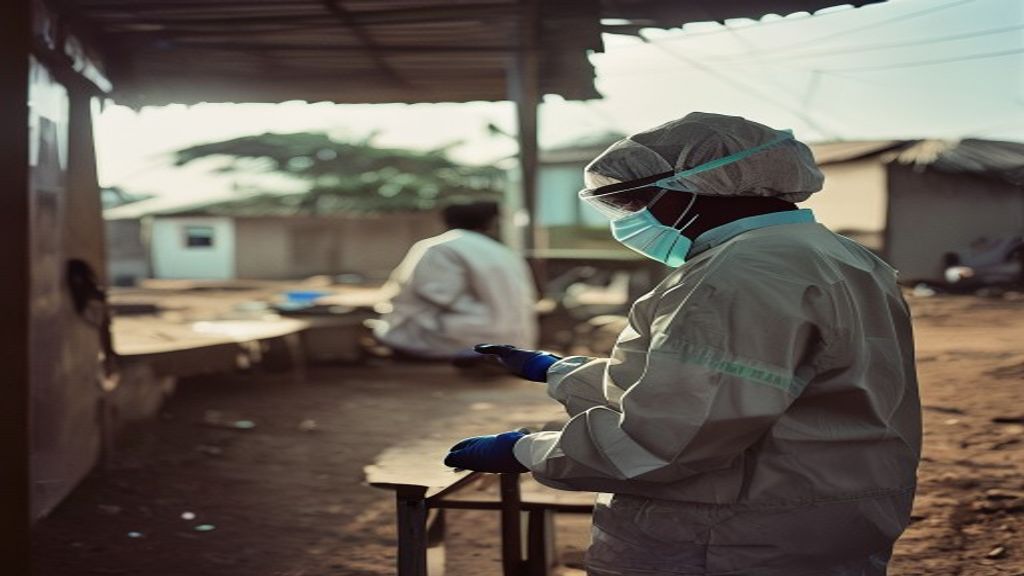
Hospice care delivers a specific set of clinical services. It focuses on the physical needs of the patient through regulated medical protocols. This system provides comprehensive medical and nursing care[2] to manage symptoms during the final stages of life.
Doctors and nurses oversee the entire process. They manage pain through medication and monitor vital signs to ensure stability. Their primary goal is symptom control and physical comfort.
Clinical interventions are strictly regulated. These teams use established protocols to handle breathing difficulties or intense physical distress. The focus remains on the patient's physiological state.
Physician oversight ensures that every treatment follows a medical plan. This structure provides the necessary stability for the patient's body. It handles the biological realities of dying.
While the medical team manages the body, the scope of their work is narrow. They address the physical symptoms that require professional intervention. They do not handle the spiritual or emotional needs of the family.
Doulas fill the emotional gaps
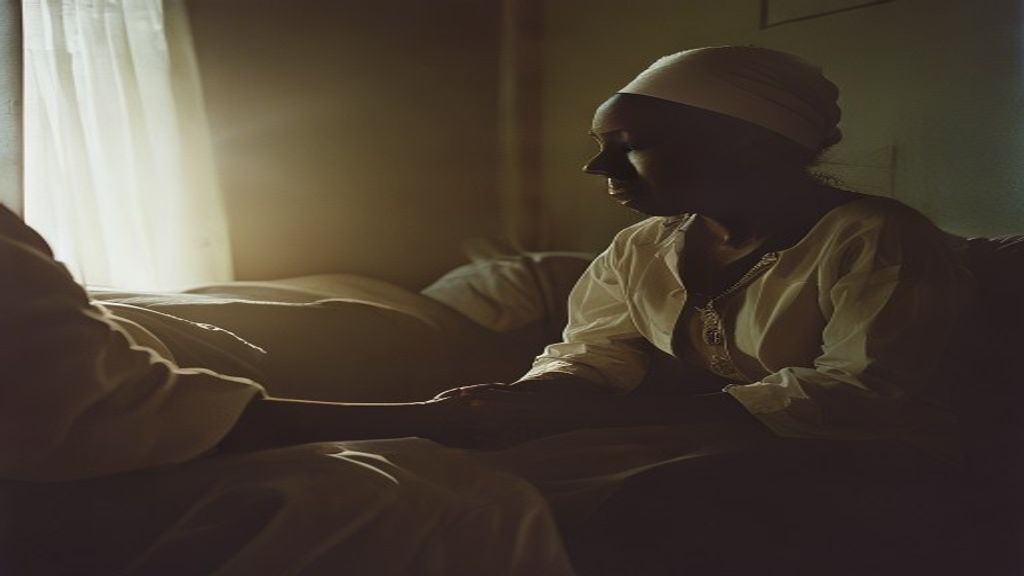
Death doulas, also known as soul midwives[1], provide support that clinical teams cannot. They focus on the person rather than the patient. This role covers emotional, spiritual, and physical needs for both the individual and their family.
These professionals handle the non-medical details of the dying process. They assist with grief support and spiritual care. They also help families navigate the administrative burdens that arise during a crisis.
Practical tasks often take center stage.
A doula might help organize a vigil or assist with legacy work. They can also help plan for bereavement support for those left behind. This work helps reduce the stress felt by primary caregivers.
Their presence changes the room.
While hospice nurses manage pain, a doula manages the environment. They may incorporate spiritual practices based on a client's personal beliefs. This approach ensures that the person's values remain at the heart of their final days.
This work is not new. Death companionship[3] has been a fundamental calling throughout history. Every culture has developed its own ways to guide loved ones through the end of life.
How the two roles work and thrive
Medical teams and doulas create a unified care plan. This synergy allows clinical professionals to focus on physical stability while the doula manages the room. It is a division of labour that covers both the body and the spirit.
One nurse might enter a bedroom to administer pain medication. At the same time, a doula can adjust the lighting or play soft music to suit the patient's wishes. This coordination ensures that hospice nurses focus on medical needs[2] without being interrupted by environmental adjustments.
Care becomes more seamless when these roles overlap.
Family members often bear the heaviest burden of end-of-life care. Having a doula present can lead to reduced caregiver stress[2]. When a professional handles the logistics of the vigil, the family can simply be present with their loved one.
This dual approach also improves communication. The doula acts as a bridge between the medical staff and the grieving relatives. They help translate complex clinical updates into understandable, compassionate conversations.
Anxiety levels drop when the environment feels controlled. The medical team provides the necessary safety, while the doula provides the personalized support needed for a peaceful transition.
Preparing for the next steps
Families should audit their current care needs before hiring additional support. This process helps identify exactly where medical care ends and emotional support begins. A clear list of requirements prevents overlapping services and wasted resources.
Checking credentials remains a vital step when selecting a professional. You should review specific service agreements to understand exactly what a death doula provides[4]. These agreements should detail their scope of work, including spiritual or physical assistance.
Clarity prevents confusion.
Many doulas specialize in specific areas like grief support or hospice collaboration. Finding a professional whose expertise matches your family's needs can reduce stress. You might also look for those with experience in specialized end-of-life care[5].
Local community networks are increasingly offering access to these services. These networks often connect families with professionals trained in emotional and spiritual support[1]. Searching through local bereavement groups or community health directories is a good starting point.
Caregivers should confirm that any chosen professional respects the patient's personal beliefs. While most doulas are non-religious, they can incorporate specific spiritual practices into their care. This flexibility allows for a highly personalized approach to the dying process.
Caregivers should confirm that any chosen professional respects the patient's personal beliefs. Finding a specialist who matches your family's specific needs can reduce the heavy burden of end-of-life logistics. Local community networks are increasingly offering access to these trained professionals.