Robert Louis Cyr Jr., a 19-year-old Navy airman, finally returned home after 80 years.
His burial took place in Clearwater, Florida, this week. The long search for his remains ended decades after his plane vanished.
His family waited eight decades for a single notification. Now, the details of his mission and the search for answers are emerging.
A long-awaited homecoming
Robert Louis Cyr Jr. was finally brought home. The 19-year-old Navy Aviation Radioman 2nd Class was laid to rest in Clearwater, Florida[2] after eight decades of absence.
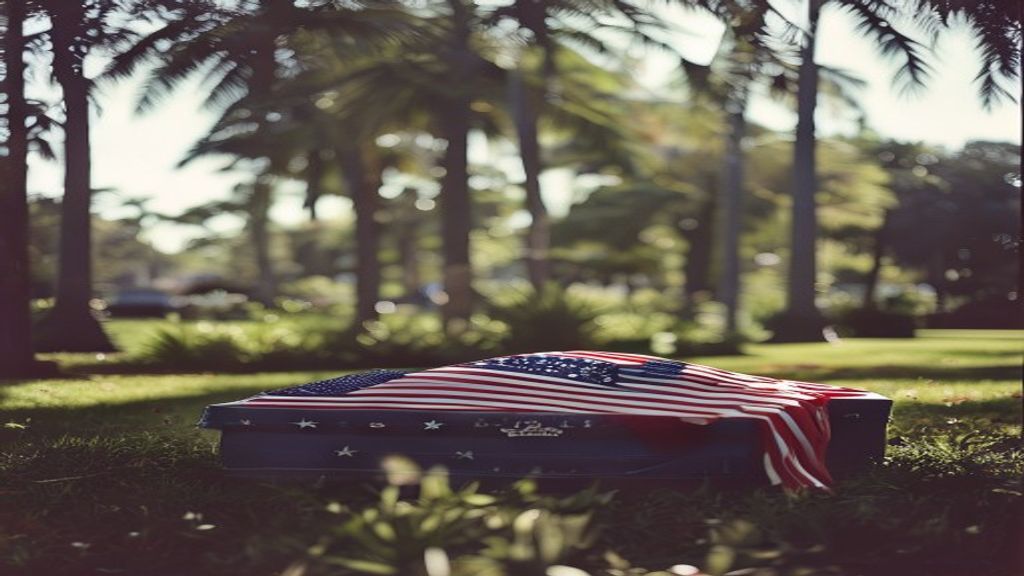
His burial took place more than 80 years after he was killed in action. The ceremony, held with military honors[3], marked the end of a decades-long search mission.
For his family, the identification ended a period of profound uncertainty. They had waited since 1944 to find answers about his fate.
DNA testing and forensic analysis provided the necessary proof. These modern tools allowed investigators to confirm the identity of the remains recovered from the Segond channel.
It was a long journey.
Cyr died when his seaplane crashed during combat operations in the Pacific theatre. The recovery of his remains followed a significant search effort that began shortly after the 1944 crash.
The search for answers
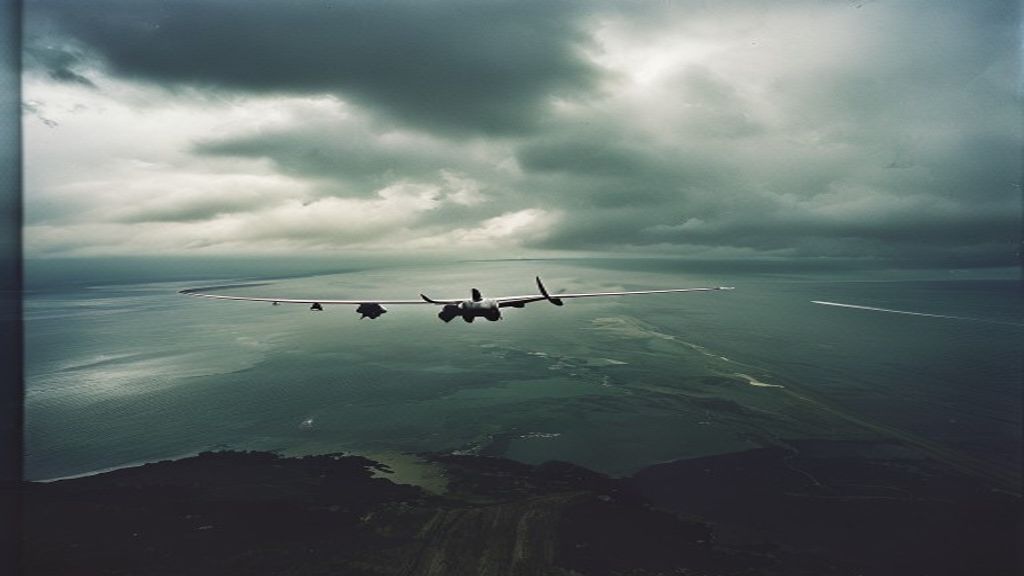
Robert Louis Cyr Jr. flew patrols in the Pacific theatre[1] during the Second World War. He was only 19 years old when his mission ended. The seaplane crashed in the Segond channel[2] in 1944.
Locating the wreckage was the first hurdle. A search effort began shortly after the 1944 crash, but the site remained elusive for decades. The ocean had hidden the truth for eighty years.
Modern forensic technology finally broke the silence. The Defense POW/MIA Accounting Agency used advanced DNA testing and forensic analysis to identify the remains. This scientific progress turned a cold case into a homecoming.
It took decades of work. The recovery of the remains followed a significant search effort that spanned generations of investigators.
Closure for a grieving family
For the family of Robert Louis Cyr Jr., the wait ended with a single notification. The news arrived after more than 80 years of uncertainty[2]. They finally knew where their loved one would rest.
Relatives received the official word that the 19-year-old radioman was identified. The weight of eight decades of searching vanished in an instant. It was a heavy, quiet moment for those left behind.
One family member described the homecoming as a profound relief. The process brought a sense of peace that had been missing since 1944. They could finally say goodbye to the young man who vanished in the Pacific.
He was finally coming home to Clearwater, Florida[2]. This was the place his family had long associated with his roots. The burial ceremony, held with military honours, connected his service to his ancestral home.
No words could fully capture the significance of the day. The ceremony marked the end of a long, painful chapter. The mission to bring him home was complete.
The cost of war
Many service members remain missing from the Second World War. The recovery of Robert Louis Cyr Jr.[1] is part of a much larger, ongoing effort. The Defense POW/MIA Accounting Agency continues to search for those still unaccounted for.
Finding remains is rarely simple. Recovery teams must often navigate remote combat sites across the Pacific theatre. These locations are frequently difficult to reach and require intense, specialized search efforts.
One such effort led to the recovery of these remains. The process followed a significant search effort that began after the 1944 crash. It took decades of work to bring the 19-year-old home.
Military officials paid tribute during the interment service. The burial was held with military honors[3] in Clearwater, Florida. The ceremony honoured his service and his sacrifice.
What remains to be found
Many service members are still missing from the Second World War. The Defense POW/MIA Accounting Agency continues to track those still unaccounted for.
Recovery teams are currently operating in the Pacific. They search remote combat sites for wreckage and remains. The mission is difficult.
Finding these individuals requires intense forensic work. The military remains committed to bringing every soldier home. This work provides the same closure found for the Cyr family.
The Defense POW/MIA Accounting Agency continues to search for hundreds of service members still unaccounted for from the Second World War. Recovery teams are currently operating in the Pacific. The mission to bring every soldier home remains a complete and ongoing work of intense forensic science.