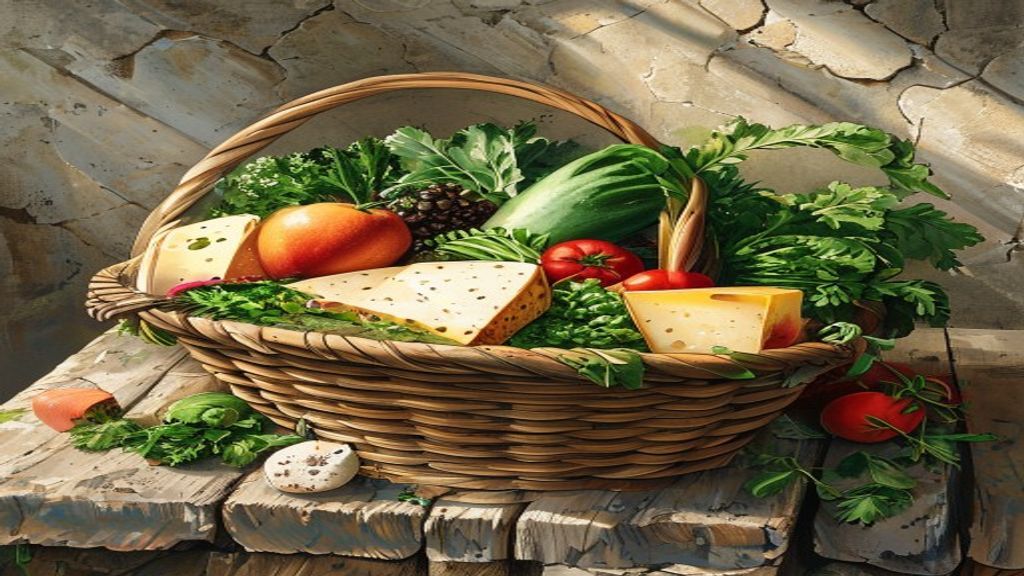
Finding fresh vegetables in the Cotswolds can feel like an impossible task. The region's beautiful landscape often hides a reality of limited supermarket access. For many rural households, a simple trip for greens requires a long, expensive drive. But you do not have to rely on distant petrol stations for your essentials. Several reliable resources are already moving through your village.
Understanding the Hidden Food Desert in the Cotswolds
Affluence and beauty often mask deep-rooted problems of food inequality in the Cotswolds. While the region is famous for its rolling hills, many residents struggle to find nutritious meals. This difficulty stems from the rise of food deserts.
These areas are defined by limited access to affordable, nutritious food[2]. It is a growing problem across the UK, particularly in rural landscapes. The lack of local grocery infrastructure leaves many without a reliable way to shop.
This scarcity is a major public health concern. In the UK, food deserts are a significant concern[3] for health officials. Without easy access to fresh produce, residents must rely on processed goods from distant shops.
Isolation is the primary driver of this crisis. As village shops disappear, the gap between the wealthy and the food-insecure widens.
Step 1: Use Mobile Grocery Services
Mobile grocery vans bridge the gap between rural residents and supermarkets. These services bring essential items directly to village streets. They are a vital lifeline for those with limited mobility or no access to a car.
For many, the cost of petrol and vehicle maintenance is a heavy burden. Using a mobile service can be cheaper than driving to a distant town. It removes the need for expensive trips to large supermarkets.
These vans often follow a set schedule. Residents can plan their shopping around these visits. This ensures that fresh produce and pantry staples are available even in the most remote parts of the region.
Step 2: Engage with Community Gardens and Local Initiatives
Community gardens serve as a vital resource for food access. Community gardens are identified as a potential intervention[3] for food insecurity. They provide more than just crops. They build a sense of community connection.
Local gardens often act as a shared kitchen. Residents grow their own tomatoes and herbs. They swap seeds with neighbours. This simple exchange reduces the cost of eating well.
Step 3: Support Relocalization for Long-Term Resilience
Relocalization offers a way to build food system resilience. This approach focuses on bringing production closer to the people who eat it. By buying from nearby growers, you help reduce the reliance on distant supermarkets.
This shift is necessary because the issue of food deserts is a growing problem. Relying on long-distance supply chains leaves rural villages vulnerable to transport disruptions and rising fuel costs. Supporting local farmers keeps money within the regional economy.
Strengthening these local links creates a more stable food supply. It turns a fragile network into a self-sustaining one.
Conclusion: Overcoming Rural Food Inequality
These strategies help build a more resilient food system. Relocalization creates stronger food systems by reducing the distance between the farm and your table. It turns a reliance on distant logistics into a local advantage.
Start by checking your village noticeboard or local digital groups this week. Small changes in how you shop can bridge the gap for everyone in the community.