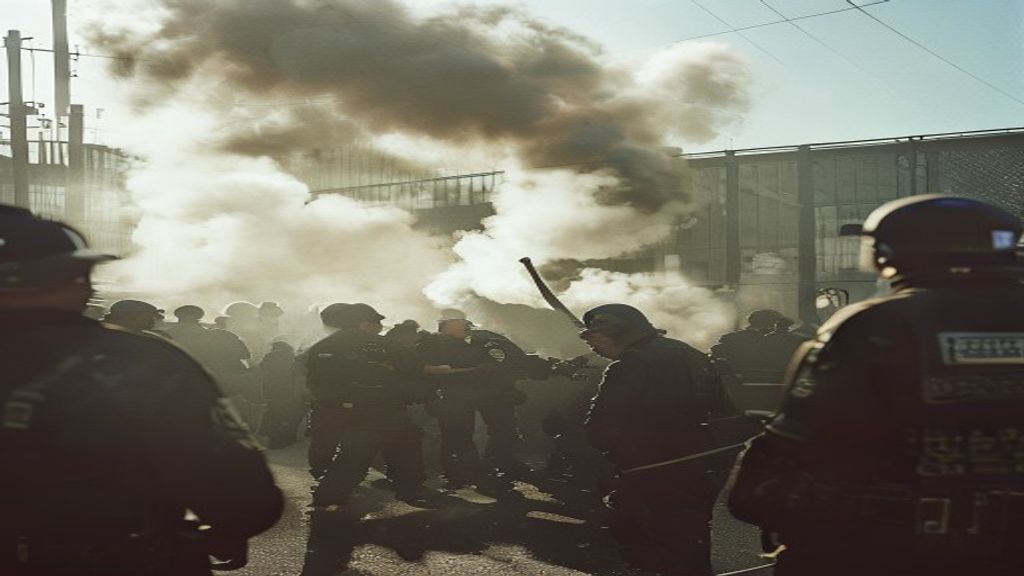
Demonstrators clashed violently with federal agents outside a New Jersey detention center. The confrontation unfolded at the Delaney Hall immigration facility in Newark. Protesters gathered to demand transparency regarding the conditions inside the building. Agents responded with force to break up the crowd. The scene turned chaotic as tensions escalated rapidly.
The clash involved dozens of demonstrators and federal law enforcement officers. Agents deployed pepper spray and batons against the crowd. Protesters reported being struck while attempting to speak with officials. The violence marked a sharp escalation in local dissent. Many bystanders fled the immediate area for safety.
Newark mayor Ras Baraka was arrested during the protest. He joined demonstrators outside the migrant center to voice concerns. His arrest highlighted the political stakes of the standoff. Local leaders faced pressure to intervene in the dispute. The mayor’s detention drew national attention to the facility.
Dozens of clergy members also gathered outside the facility. They stood in solidarity with the detained individuals. Religious leaders called for an end to the violence. Their presence added moral weight to the protest. The group attempted to de-escalate the situation peacefully.
The facility has faced criticism for its lack of transparency. Protesters demanded clear information on visiting hours. They also sought details about the treatment of detainees. Reports of inhumane conditions fueled the anger outside. The relocation of detainees added to the confusion.
Self-identified Antifa member Kyle Wagner was arrested on federal charges. He faced accusations of cyberstalking and threatening communications. His arrest signaled a broader federal crackdown on dissent. Authorities moved quickly to identify and detain key figures. The charges underscored the seriousness of the federal response.
The risk of injury was high for all parties involved. Civilians faced potential harm from agent tactics. Law enforcement officers also encountered physical danger. The potential for a wider federal response loomed large. Escalation could lead to further arrests and legal battles.
The perimeter became a flashpoint for broader grievances. The facility’s opaque operations frustrated local residents. Community members felt ignored by federal authorities. The protest reflected deep-seated distrust of immigration enforcement. The clash was not just about one facility.
Agents formed a shield wall to contain the crowd. Protesters pushed against the line repeatedly. The standoff lasted for several hours before dispersing. Some demonstrators were detained for questioning. Others retreated to regroup and plan further actions.
The incident raised questions about police conduct. Critics argued that the use of force was excessive. Supporters of the agency defended the agents’ actions. The debate over appropriate response tactics intensified. Public opinion remains sharply divided on the issue.
Local businesses near the facility reported disruptions. Traffic was diverted around the protest zone. Residents expressed concern over the safety of their neighborhood. The economic impact of the standoff was immediate. Small shop owners lost customers during the unrest.
The hunger strike inside the facility added urgency. Detainees refused food to protest their treatment. The external clash mirrored the internal resistance. Both groups sought to draw attention to their plight. The combined pressure threatened to overwhelm the facility.
Federal authorities have not commented extensively on the event. The lack of official statements fueled speculation. Rumors about the severity of the clash spread quickly. Social media amplified the images of the confrontation. The digital footprint of the protest grew rapidly.
The Newark community remains on edge. Residents fear further violence in the coming days. Local officials have called for calm and dialogue. The tension between federal and local power is palpable. The standoff has become a symbol of broader conflict.
Legal challenges are likely to follow the arrests. Defendants will argue their rights were violated. The government will defend its use of force. The courts will play a crucial role in the aftermath. The outcome could set important precedents.
The facility’s reputation has taken a hit. Public trust in its operations has eroded. Critics point to the clash as evidence of systemic issues. Supporters argue that the agency is doing its job. The debate over immigration enforcement continues to rage.
The protest drew participants from across the region. Activists traveled to Newark to show support. The diversity of the crowd reflected widespread concern. The issue transcends local boundaries. It has become a national conversation.
The standoff ended without a clear resolution. Both sides remained entrenched in their positions. The hunger strike continues inside the walls. The external protest has paused but not ended. The potential for renewed conflict remains high.
Local media covered the event extensively. News crews captured the chaos on camera. The footage circulated widely online. The visual evidence fueled public debate. The images became iconic of the protest.
The incident highlights the challenges of immigration enforcement. Balancing security and human rights is difficult. The clash showed the limits of current policies. Reform advocates see an opportunity for change. The status quo is under intense scrutiny.
The community is calling for accountability. Residents want answers about the use of force. They also seek transparency from the facility. The demand for information is growing louder. Silence from officials is not an option.
The standoff has galvanized local activism. New groups have formed to support detainees. Volunteers are organizing further demonstrations. The momentum is building for sustained pressure. The fight is far from over.
The federal government faces a test of resolve. It must decide how to handle the dissent. A heavy-handed response could backfire. A conciliatory approach might weaken enforcement. The stakes for federal policy are enormous.
The Newark incident is a microcosm of national tensions. Immigration remains a polarizing issue. The clash reflected deeper societal divides. The path forward is unclear. The community waits for the next move.
Detainees at the Newark facility have launched a hunger strike to protest what they describe as inhumane living conditions. The protest targets specific grievances regarding food quality, medical neglect, and severe overcrowding within the detention center. Inmates argue that the current environment violates basic human rights and federal standards for humane treatment. The strike represents a collective refusal to eat until their demands for transparency and improved care are met.
The root cause of the unrest lies in the daily reality of life inside Delaney Hall. Detainees report receiving meals that are nutritionally inadequate and often spoiled. Medical staff allegedly ignore urgent health complaints, leaving chronic conditions untreated. Overcrowding forces multiple individuals to share small cells designed for one or two people. These conditions create a constant state of stress and physical discomfort for those held there.
Protesters outside the facility have demanded greater transparency regarding these internal operations. They cite reports of detainees being relocated without notice or explanation. The lack of information on visiting hours has further isolated families from their loved ones. This opacity fuels suspicion and anger among both the incarcerated population and their supporters. The community sees the silence from authorities as a deliberate attempt to hide abuses.
The number of participants in the hunger strike remains unclear due to restricted access for journalists. Advocacy groups estimate that dozens of detainees have joined the protest. These individuals come from various countries and backgrounds, united by their shared experience of detention. Many have been held for months while awaiting immigration hearings. Their legal status varies, but their physical suffering is immediate and visible.
Health risks associated with prolonged fasting are a major concern for medical professionals. Hunger strikes can lead to dehydration, electrolyte imbalances, and organ failure within days. Detainees in advanced stages of starvation require intensive medical intervention to survive. The facility has a legal duty of care to monitor the health of all inmates. Failure to provide adequate medical attention could result in serious liability for the agency.
Federal regulations require detention centers to maintain certain health and safety standards. These rules mandate regular medical checks and access to emergency care. When detainees refuse food, staff must assess their mental capacity and physical condition. If an inmate becomes unconscious or critically ill, forced feeding may become necessary. This practice is controversial and often viewed as a violation of bodily autonomy.
Prior complaints about conditions at Delaney Hall have been ignored for months. Legal actions filed by advocacy groups were dismissed without substantive review. Detainees attempted to file grievances through internal channels, but received no response. This pattern of neglect has eroded trust in the system’s ability to self-correct. The hunger strike is a last resort after all other avenues failed.
Newark Mayor Ras Baraka’s arrest highlighted the political tension surrounding the facility. His detention drew national attention to the plight of the incarcerated migrants. Clergy members gathered outside to pray for the safety of the detainees. Their presence underscored the moral dimension of the crisis. Religious leaders argued that the treatment of migrants violated core ethical principles.
The clash between protesters and ICE agents outside the walls mirrors the turmoil within. Agents used pepper spray and batons to disperse demonstrators. This use of force has been widely criticized as excessive and unjustified. Witnesses reported that agents targeted peaceful protesters who were merely observing the facility. The violence outside has only intensified the resolve of those inside.
Kyle Wagner, a self-identified Antifa member, was arrested on federal charges. His arrest for cyberstalking and threatening communications has drawn scrutiny. Critics argue that the charges are politically motivated and designed to silence dissent. Supporters of the protest see Wagner’s detention as part of a broader crackdown. The legal battle over his case will likely proceed in parallel with the hunger strike.
The medical implications of the strike are becoming more severe with each passing day. Doctors warn that prolonged fasting can cause irreversible damage to the heart and kidneys. Detainees who have been striking for over a week are at high risk. The facility must balance its duty to preserve life with respect for individual autonomy. This ethical dilemma has no easy solution.
Legal experts note that the government has a responsibility to ensure humane conditions. Courts have previously ruled that overcrowding and poor medical care violate constitutional rights. The current situation at Delaney Hall appears to breach these established standards. Advocacy groups are preparing to file new lawsuits to challenge the facility’s operations. These legal actions could force a change in policy.
The hunger strike has galvanized support from local and national organizations. Human rights groups are monitoring the situation closely. They are documenting allegations of abuse and neglect for future litigation. Media coverage has increased, putting pressure on officials to respond. The spotlight on Delaney Hall is unlikely to fade soon.
Detainees inside the facility are relying on solidarity to sustain their protest. They share water and medical supplies when possible. This mutual aid network helps those who are too weak to care for themselves. The strike is not just about food; it is about dignity and recognition. Detainees want to be seen as human beings, not numbers.
The lack of clear communication from ICE has exacerbated the crisis. Officials have not provided detailed information about the conditions inside. They have also not outlined a plan to address the detainees’ concerns. This silence is interpreted as indifference or hostility. The community demands answers and accountability from the agency.
The hunger strike poses a significant challenge to the facility’s management. Staff must deal with the logistical and ethical complexities of the protest. They must also manage the security risks associated with a large-scale demonstration. The situation is volatile and could escalate further. Any misstep by authorities could trigger a wider crisis.
Medical teams are on standby to respond to emergencies. They are prepared to intervene if a detainee’s condition deteriorates rapidly. However, forced feeding is a last resort due to its traumatic nature. The decision to feed an unwilling patient involves careful ethical consideration. Doctors must weigh the risks of intervention against the risks of inaction.
Medical teams will monitor the health of striking inmates daily. The facility must balance legal obligations with the physical safety of those refusing food. Detainees face a grim choice between compliance and severe health consequences. Federal law requires agencies to provide adequate medical care to people in custody. This duty does not disappear when a person refuses to eat. Doctors must intervene if a patient’s life is in immediate danger. The decision to force-feed is rare and legally complex. It requires court approval in most jurisdictions. ICE has not confirmed whether it will seek such orders. The agency typically relies on internal medical protocols first. Those protocols allow for temporary withholding of food. They do not permit indefinite neglect of basic needs. The line between respecting autonomy and preventing harm is thin. Striking inmates know this. Their families know this. The outside world is watching closely.
Newark Mayor Ras Baraka was arrested during protests at the center. His detention drew national attention to the facility’s operations. Baraka’s arrest highlighted local political tensions[6] over immigration enforcement. The mayor argued that transparency is essential for public trust. He demanded answers about visiting hours and internal conditions. ICE has not provided a detailed response to those demands. The agency cited security concerns as the reason for limited access. Families say they are left in the dark. They do not know when they can see their loved ones. They do not know what food is being served. They do not know how many people are inside. This lack of information fuels anger on both sides. Protesters say silence is a form of punishment. Officials say security requires discretion. The standoff shows no signs of easing soon.
Clergy members gathered outside the facility to demand change. Dozens of religious leaders stood in solidarity with the detainees. The group included pastors, priests, and rabbis[4] from across New Jersey. They held vigils and prayed for the safety of those inside. Their presence added moral weight to the protest. They argued that humane treatment is a universal value. ICE agents did not engage with the clergy directly. They maintained their perimeter and monitored the crowd. The tension remained high but did not escalate further. The clergy plan to return if conditions do not improve. They have called for an independent review of the facility. Such a review would require federal cooperation. ICE has not agreed to one yet. The agency defends its current practices as lawful. It says it follows all federal guidelines. Critics say guidelines are not enough. They say accountability is missing. The debate continues without resolution.
Kyle Wagner faces federal charges related to the protests. He was arrested for cyberstalking and threatening communications. Wagner’s case adds a legal layer[5] to the broader conflict. The Justice Department says his actions endangered agents. Protesters say he was targeted for his activism. The charges could result in prison time. They also set a precedent for future demonstrations. Other activists may hesitate to speak out. They fear similar legal repercussions. The government aims to deter disruption. It argues that threats undermine public safety. Critics argue that dissent is protected speech. They say the charges chill free expression. The court will decide which view holds weight. That decision could impact civil liberties nationwide. The outcome remains uncertain. Legal experts are watching closely. They note that free speech cases are complex. They note that national security claims carry weight. The balance is delicate. The stakes are high.
Force-feeding remains a possibility if strikes continue. The procedure is traumatic and medically risky. It involves inserting a tube through the nose or mouth. The tube delivers liquid nutrition directly to the stomach. Patients often resist the process. They may gag, choke, or suffer internal injuries. Doctors must sedate patients to perform the procedure. Sedation carries its own risks. It can depress breathing and heart function. The American Medical Association opposes non-consensual treatment. It says doctors should not participate in coercion. Federal guidelines allow exceptions in extreme cases. Those exceptions are rarely invoked. The government must prove imminent danger to life. It must also show that less invasive options failed. Striking inmates are aware of these thresholds. They push the system to its limits. They hope the government will blink first. They hope the political cost will outweigh the operational benefit. Time is the enemy of hunger strikers. Their bodies weaken with each passing day. Their resolve must hold longer than their physiology.
Legal hearings are scheduled to address the detention conditions. A federal judge will review complaints filed by advocates. The court will examine evidence of overcrowding and neglect. It will also consider requests for immediate relief. Such relief could include improved food or medical access. It could also include the release of vulnerable detainees. The government will argue that operations are secure. It will claim that conditions meet federal standards. Advocates will counter with testimonies from former inmates. They will present photographs and medical records. The judge must weigh both sides carefully. The ruling could set a precedent for other facilities. It could also force ICE to change its practices. The timing of the decision is unclear. Courts often take weeks to deliberate. The detainees cannot wait that long. Their health deteriorates daily. Their families grow more desperate. The pressure mounts on all sides.
The facility must respond to demands within a set deadline. ICE has not announced a specific date for compliance. It has only promised to review the situation. Advocates say review is not enough. They say action is required now. They say lives are at stake. The agency says it is bound by law. It says it cannot compromise security. It says it must follow protocol. The two positions are irreconcilable without compromise. Compromise requires political will. That will is currently absent. The standoff will likely continue for weeks. It may escalate further if no progress is made. More arrests are possible. More protests are likely. More legal challenges will follow. The cycle of conflict is self-reinforcing. Breaking it requires a decisive move. That move has not come yet. The detainees remain inside. The protesters remain outside. The world remains divided.
Legal hearings are scheduled to address the detention conditions. A federal judge will review complaints filed by advocates. The outcome of the ruling could set a precedent for the rights of detainees across the United States.