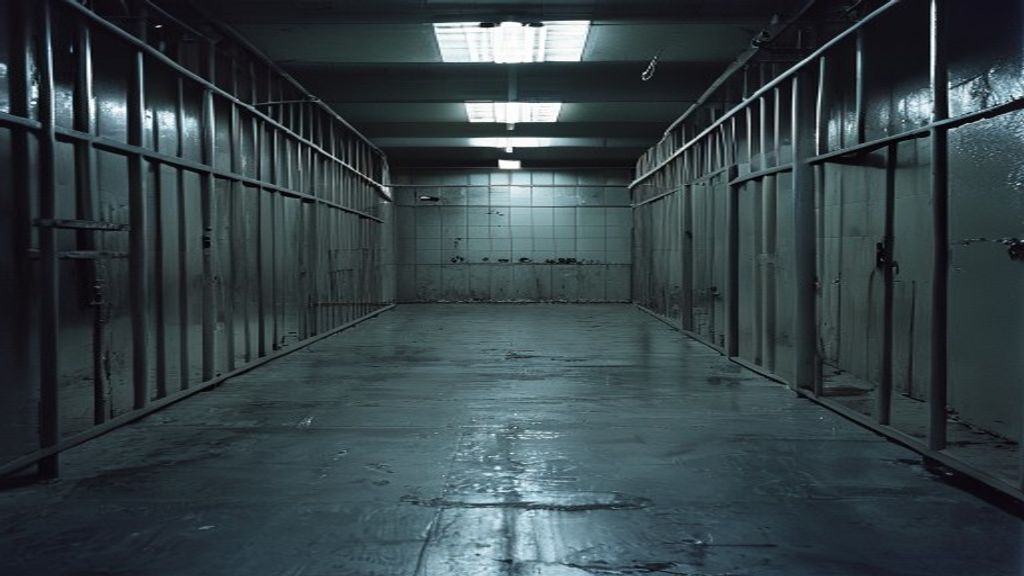
Tiffany McElroy gave birth on a prison floor in Alabama. A new federal lawsuit filed in May 2024 alleges the Alabama Department of Corrections left the woman to handle the delivery alone on a concrete floor.
According to the legal filing, correctional officers were present during the medical emergency but provided no medical assistance. The lawsuit also examines a pattern of medical neglect within the Alabama prison system, highlighting a heavy burden of physical and psychological trauma for both mother and newborn.
A concrete floor and no help
Tiffany McElroy gave birth on a prison floor in Alabama. The federal lawsuit filed in May 2024[1] alleges she was left to handle the delivery alone. She was in the middle of a medical emergency.
Jail staff did not provide medical assistance during the labor. Instead, the legal filing claims that guards watched the delivery happen. The woman was left to fend for herself.
Other inmates stepped in to help. McElroy claims that inmates assisted in delivering her baby[1] when official staff failed to act. No professional medical care was present during the process.
The lawsuit alleges gross negligence and medical abandonment by the jail staff. It also describes inhumane conditions within the Alabama correctional facilities. The legal action targets the Alabama Department of Corrections.
This case remains ongoing. The outcome depends on further legal proceedings in federal court.
The moments the guards watched
Correctional officers were present during the delivery. The federal lawsuit alleges[1] these guards watched the birth unfold without providing medical help.
McElroy describes a cell where no medical intervention occurred. Instead, she claims other inmates assisted[1] in the delivery of her baby.
Staff presence did not translate into care. The legal filing alleges the jail staff left her to fend for herself during the process.
This lack of action goes beyond standard prison protocol. The lawsuit characterizes the event as negligence and abandonment[2] by the facility staff.
No doctors arrived.
Officers remained in the vicinity while the birth took place on the concrete floor. The lawsuit alleges these conditions were inhumane.
The cost of medical neglect
Physical and psychological trauma follows the unassisted delivery. The federal lawsuit[1] details the lasting damage caused by the lack of medical care. It seeks damages for the injuries sustained by Tiffany McElroy and the newborn.
McElroy's child faces uncertain health outcomes. The birth, occurring on a concrete floor, left the infant without professional neonatal support. This lack of intervention remains a central part of the legal claim.
Beyond the physical risks, the lawsuit alleges the conditions were inhumane. The legal action targets the Alabama Department of Corrections[1] and specific officials. It argues that the state failed in its duty to provide basic safety.
This case could change how Alabama handles inmate health. If the court finds for the plaintiff, it may force a rewrite of medical protocols for pregnant women in jails. The outcome will likely set a precedent for medical rights across the state's correctional facilities.
A pattern of prison care concerns
This lawsuit is not an isolated incident of neglect. The Alabama Department of Corrections[1] has faced repeated scrutiny over its handling of inmate health. Recent legal filings and investigations suggest a systemic failure to provide basic medical attention.
Previous litigation has targeted the state for similar failures. These cases often highlight a lack of oversight regarding how staff respond to medical emergencies. The current lawsuit adds to a growing list of claims involving inhumane conditions in Alabama jails.
Medical neglect remains a central theme in these disputes. Oversight bodies are now examining how correctional officers manage crises. The specific allegation that staff watched a delivery without intervening has triggered fresh scrutiny of department protocols.
One major concern involves the gap between official policy and actual practice. While the department has established rules for emergency care, the physical reality in the cells often tells a different story. Critics argue that the current system fails to protect the most vulnerable inmates.
Monitoring groups are closely watching the response from state officials. They are looking for evidence that the department can actually enforce its own medical standards. The outcome of this case could force a total overhaul of how the state manages inmate emergencies.
What the state will argue
Alabama officials are preparing a legal defense against the claims. The Alabama Department of Corrections[1] faces allegations of negligence and abandonment.
Lawyers for the state will likely contest the idea that staff failed to act. They may argue that standard protocols were followed during the medical emergency.
Investigations into the specific officers involved are still underway. The department has not yet released a formal statement regarding the conduct of the guards present during the delivery.
No reply.
McElroy's legal team is now focused on the next phase of the litigation. They are preparing motions to move the case forward in federal court.
The outcome of these initial proceedings remains uncertain. The lawsuit is currently ongoing as both sides prepare for upcoming court dates.
McElroy's legal team is now preparing motions to move the case forward in federal court. The outcome of these initial proceedings remains uncertain as both sides prepare for upcoming court dates.