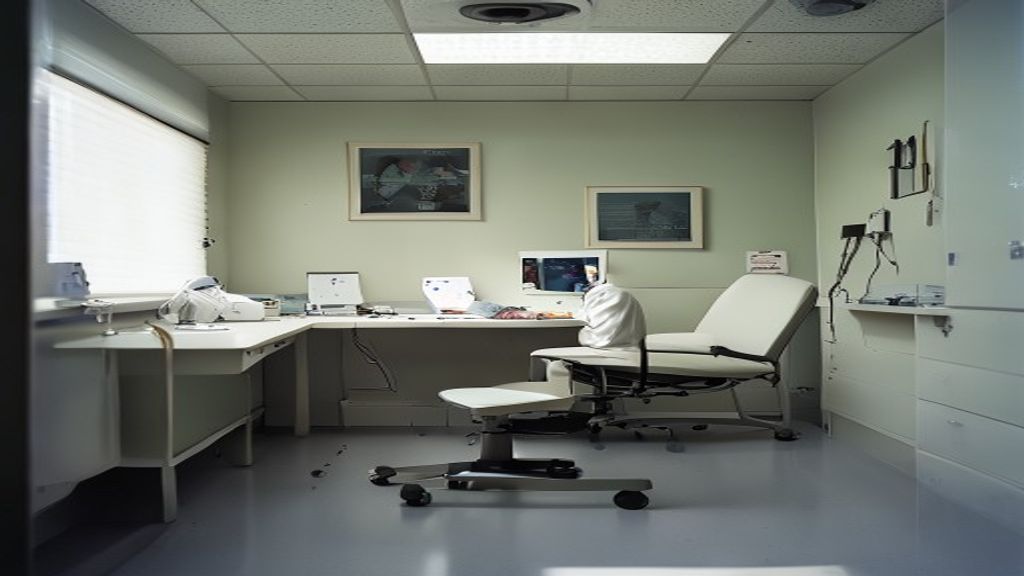
The White House confirmed President Donald Trump will undergo his annual medical and dental examination on May 26, 2026. The visit takes place at Walter Reed National Military Medical Center. This marks the fourth time he has seen medical experts during his second term. The White House Physician's office released an official memorandum outlining the schedule. The document lists standard procedures for routine health monitoring. It details the specific tests that will be performed during the visit. Medical professionals will assess the president's cardiovascular health, cognitive function, and general vitality. The results will be released to the public shortly after the examination concludes. This process ensures citizens have access to verified information about the president's fitness.
Context: Health Scrutiny and Public Speculation
Public questions about the president's physical condition have intensified in recent months. Recent photographs have sparked renewed debate among voters and media analysts. These images show visible signs of age that some observers interpret as concerning.
The contrast between the visual record and official statements creates a tension that medical reports aim to resolve. Transparency remains the central demand from critics and supporters alike. They want clear data rather than vague assurances.
The medical community faces pressure to provide precise answers. Ambiguity fuels speculation. Speculation often outpaces verified facts. The gap between perception and reality widens without regular updates.
The president's team knows this dynamic well. They prepare for the next wave of questions. The physical exam is their primary tool for resetting the narrative. It offers a chance to replace rumors with clinical data.
The stakes are high for public trust. Confidence in leadership depends on perceived vitality. Voters watch closely for any sign of decline. They interpret small details through a political lens.
A stumble becomes a headline. A pause becomes a story. The media ecosystem amplifies these moments. Social media platforms accelerate the spread of images. Context often disappears in the process.
The president operates under a microscope. Every gesture is analyzed. Every expression is decoded. The pressure affects the medical team as well. They must balance privacy with public duty.
The White House Physician handles this delicate task. They release information carefully. Too little invites suspicion. Too much invites overanalysis. Finding the right amount is difficult.
The goal is clarity without alarm. The recent photos have made this harder. They provide concrete material for critics to use. Supporters point to the president's energy levels.
They highlight his ability to work long hours. They argue that appearance does not equal health. Internal strength matters more than external signs. This argument holds weight in some circles.
Visual evidence is powerful. It bypasses rational analysis. People react to what they see. They form opinions quickly. Changing those opinions requires strong counter-evidence.
The upcoming report will serve as that evidence. It must address the specific concerns raised by the images. It must do so without revealing private details. The balance is tight.
The margin for error is small. One ambiguous phrase can restart the debate. One clear statement can calm it. The medical team understands this.
They prepare their language with care. They know the audience is watching. The public interest in presidential health is deep. It is rooted in constitutional responsibility.
The president must be fit to serve. That is the legal standard. It is also the political one. Voters need to feel secure. They need to trust their leader.
Health is a key component of that trust. When it is questioned, trust erodes. The recent photos accelerated that erosion. The exam aims to repair it.
It offers a structured moment of truth. The results will be public. The analysis will be immediate. The impact will be lasting. This is why the timing matters.
The context is charged. The scrutiny is intense. The speculation is widespread. The facts are pending. The wait is almost over. The answers are coming.
The public will judge them. The president will face them. The cycle will continue. But for now, the focus is on the exam. It is the next step.
The rest is noise. The data is signal. The medical team is ready. The public is waiting. The moment is set. The stage is clear. The truth will emerge.
Timeline and Official Response
The White House declined to explain the short interval between exams. Officials offered no timeline for why a second checkup was needed so soon after the first. The silence left reporters guessing about the President's condition.
Some saw it as routine caution. Others viewed it as a sign of hidden trouble. The administration kept its distance from speculation. They pointed only to the schedule.
Confusion surrounds the labeling of the visit. Early reports called it an annual physical. Later statements referred to it as semiannual. The shift in terminology raised eyebrows in Washington.
A yearly exam happens once a year. A semiannual exam happens twice. The White House did not clarify the change. Journalists noted the inconsistency in their coverage.
The discrepancy fueled more questions than answers. Readers wanted a straight line. They got a zigzag instead.
The White House Medical Service coordinates these comprehensive exams. This team handles all presidential health matters. They work directly with outside specialists.
Their role is to manage access and information. They decide what gets released to the public. They also decide what stays private. The service has a long history of discretion.
They protect the President's privacy fiercely. This approach limits public insight into details. It also limits the scope of rumors. The balance is delicate and deliberate.
The memorandum from the White House Physician confirmed the visit. It did not detail the reasons for the timing. The document listed the procedures to be performed.
It omitted any mention of prior concerns. This omission was notable in itself. A standard memo usually follows a predictable pattern. This one broke that pattern slightly.
Critics pointed to the six-month gap. They argued that annual exams are sufficient for most people. Semiannual checks imply a need for closer monitoring.
The White House did not address this argument. They let the schedule speak for itself. The schedule showed two visits in one year. That fact alone was enough to stir debate.
Health experts weighed in cautiously. They noted that frequent checks are not unusual for older adults. They also noted that politics complicates every move.
Supporters dismissed the timing as a non-issue. They argued that the President deserves top-tier care. That care includes frequent monitoring. They pointed to the demands of the office.
The job is physically and mentally taxing. Regular checkups are a smart precaution. This view gained traction among loyalists. They saw no reason to panic.
They saw no reason to speculate. The exam was just another item on the calendar. It required no deeper analysis.
The media cycle moved quickly to the next story. The lack of explanation did not stop the coverage. It accelerated it. Outlets dug into past medical records.
They compared this visit to previous ones. They looked for patterns in the data. The search for meaning was relentless. The White House remained quiet throughout.
They did not feed the fire. They did not pour water on it either. They simply waited for the results.
The role of the medical team is often misunderstood. They are not just doctors. They are also gatekeepers. They filter information before it reaches the public.
They assess risk and manage perception. Their loyalty is to the President. Their duty is to his health. These two goals do not always align.
When they conflict, privacy usually wins. This dynamic shapes every release. It shapes every silence too.
The public has a right to know. That right is balanced by privacy concerns. The line between the two is blurry. In this case, the line was crossed.
The short interval forced a reckoning. People wanted to understand the why. They did not get a clear answer. The ambiguity lingered in the air.
The next step is the release of findings. The White House will likely issue a statement. It will probably be brief and reassuring.
It will likely avoid specific details. This pattern has held in the past. It is expected to hold again. The public will judge the tone.
They will read between the lines. They will look for hints of trouble. They will find what they expect to find. The cycle will repeat itself.
The medical service prepares for the worst. They plan for every scenario. This preparation is part of their job. It ensures the President is protected.
It also ensures continuity of government. Health crises can happen anytime. The team must be ready. Their readiness is invisible to most.
The results are due soon. The wait is almost over. The answers are coming.
Taken together, these threads sketch where the story stands today. On the record, President Donald Trump is scheduled to receive annual medical and dental examinations on May 26, 2026. The next chapter will be written by the choices the principal parties make in the days ahead.
Readers can expect more clarity as new reporting tests what is still provisional.