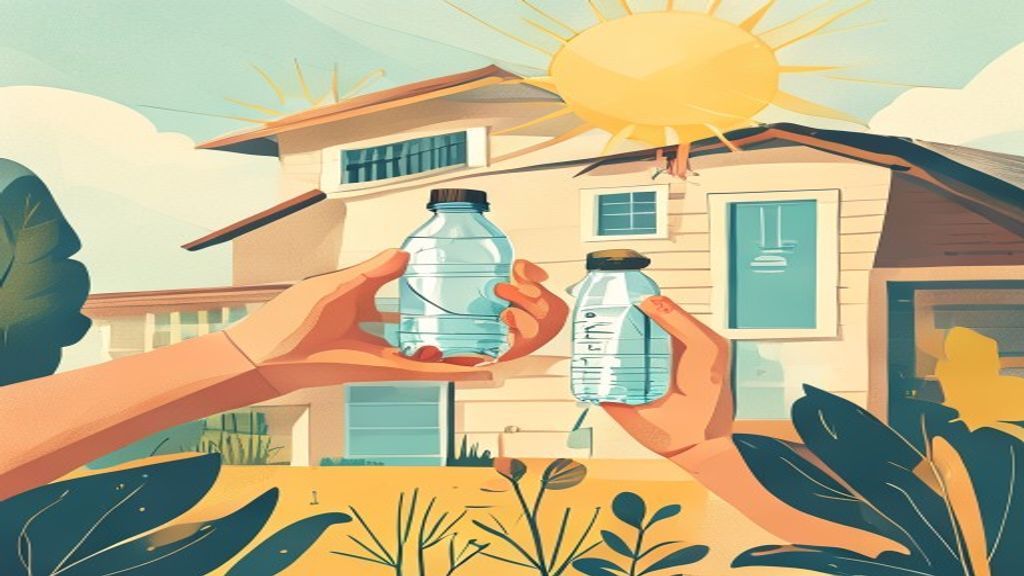
This high-pressure system traps heat, turning your home into an oven. If you do not act, the temperature spike can become life-threatening. You can lower indoor temperatures by blocking solar heat before the sun peaks. Learn the specific steps to keep your house cool and your body hydrated. Waiting until you feel thirsty means you have already lost the battle. The difference between heat exhaustion and heatstroke is a single line. You must prepare your environment and your body before the temperature climbs.
The invisible trap
A heat dome acts like a heavy lid on a pot, trapping hot air over a region. This stationary high-pressure system prevents heat from escaping into the upper atmosphere. The result is a rapid and dangerous spike in local temperatures.
Temperatures can climb 10 to 20 degrees above normal levels. These extreme conditions often persist for days or even weeks. The air feels thick and still. The sun beats down relentlessly without relief from wind or clouds.
This trapped heat poses a severe health risk. Heat exhaustion can quickly turn into life-threatening heatstroke. The body loses its ability to cool itself down. Elderly residents and young children face the highest danger. Their bodies struggle to regulate temperature under such stress.
Stationary high-pressure systems[3] define these extreme weather events. They create a physical barrier that locks in the heat. The longer the dome stays in place, the more dangerous it becomes.
Climate change is making these domes more frequent. Intense heat domes[4] are expected to occur with greater regularity. This trend increases the urgency for personal preparedness.
The National Weather Service offers specific safety guidance. Heat wave safety tips[2] help residents understand the risks. Knowing the signs of heat stress is critical. Confusion and fainting signal immediate medical danger.
Local governments are also taking action. King County[6] has developed a strategic roadmap for resilience. Other cities like San Antonio provide resources on staying safe. These efforts highlight the growing threat of extreme heat.
Understanding the mechanics of a heat dome is the first step. It is not just a hot day. It is a sustained atmospheric event that requires active management. Recognizing the stillness of the air helps you gauge the danger.
The sun does not blink. The heat does not break. You must take control of your environment. The following steps will help you lower indoor temperatures. They will also help you protect your health during the peak of the dome.
Cool down your home fast
Blocking solar heat is the single most effective way to lower indoor temperatures. Close all blinds and heavy curtains before the sun reaches its peak. This simple barrier stops radiation from warming your walls and floors. The National Weather Service recommends keeping windows covered during the hottest hours of the day to reduce indoor heat gain[2]. Sunlight through glass acts like a greenhouse. It traps warmth inside your living space. Blocking it keeps the cool air you have left from escaping.
Airflow matters just as much as insulation. Use fans to create cross-ventilation when the outside air is cooler than your home. This usually happens at night or early in the morning. Open windows on opposite sides of the house to push hot air out. During the day, close everything up and switch fans to recirculate mode. This keeps the cooler interior air from mixing with the sweltering exterior. King County officials emphasize that managing airflow is key to staying safe during extreme heat events in their preparedness guidelines[6]. You are trying to create a sealed, cool pocket within your home.
Stop generating extra heat inside your walls. Turn off the oven, stove, and clothes dryer during peak afternoon hours. These appliances pump significant heat into your kitchen and laundry rooms. Use a microwave, toaster oven, or slow cooker instead. They produce far less ambient heat. If you must cook, do it early in the morning or late at night. The City of San Antonio advises residents to avoid heat-generating activities to keep indoor temperatures manageable during severe heat warnings[7]. Every degree of internal heat adds to the strain on your body.
Designate one room as your primary cooling zone. Choose the space with the best airflow or access to an air conditioner. Move your bed or couch into this room. Spend the majority of your waking hours here. This concentrated effort is more effective than trying to cool an entire house. University of Washington researchers note that targeted cooling strategies are essential for protecting vulnerable populations as heat domes become more frequent[8]. Focus your energy on keeping this single room as cool as possible. It becomes your safe haven against the rising temperatures outside.
Hydrate before you thirst
Wait for thirst to drink and you have already lost ground. The body signals dehydration only after fluid levels drop dangerously low. Drink water on a schedule instead of reacting to dry mouth. This simple habit keeps your internal temperature stable when the heat dome traps air overhead.
The National Weather Service warns that heat stress strikes without warning. Their safety guidance[2] emphasizes proactive hydration as the first line of defense. Set a timer on your phone if you need to. Aim for eight ounces every hour during peak heat. Do not wait until you feel parched. That feeling means your cells are already struggling to function.
Swap your morning coffee for water or herbal tea. Caffeine and alcohol pull moisture from your tissues faster than you can replace it. They act as diuretics that accelerate fluid loss. Save the espresso for cooler evenings. Stick to plain water or electrolyte drinks during the day. Your kidneys need steady fluid to filter heat waste effectively.
Food counts as hydration too. Watermelon holds more than 90 percent water by weight. Cucumbers and soups add volume without requiring extra glasses. Eat these items at lunch to boost your fluid intake naturally. This approach helps if you feel full from drinking alone. Your stomach processes food water slower than liquid water. It provides a steady release of hydration throughout the afternoon.
Check on neighbors who live alone. Older adults often lose their sense of thirst with age. They may not realize they are dehydrated until symptoms worsen. A quick knock on the door can save a life. Ask if they have drunk enough water today. Offer a glass if their kitchen is empty. Community care matters when the sun beats down relentlessly.
San Antonio officials highlight the dangers of extreme heat for vulnerable groups. City resources[7] stress the importance of checking on at-risk residents. Heat domes do not discriminate. They trap heat over entire neighborhoods. Your neighbor might be too proud to ask for help. Be the one who asks first. A small gesture prevents a medical emergency.
Spot the danger signs
Heat exhaustion feels like a bad day. Heatstroke kills you. The difference between sweating heavily and going dry is the line between discomfort and death. You need to know where that line sits before someone crosses it.
The body tries to cool itself by dumping water. You see heavy sweating. You feel weak. Your heart races. This is heat exhaustion. It is serious but manageable. Move to shade. Drink water. Rest. The National Weather Service lists these early signs as warnings to act fast before the system fails[2]. Most people recover if they stop and cool down now.
Then the sweating stops. The skin turns hot and dry. Confusion sets in. This is heatstroke. It is a medical emergency. Call for help immediately. Do not wait to see if it gets better. The body has shut down its cooling mechanism. Core temperature rises rapidly. Organs begin to fail. Every minute counts.
Look for subtle shifts in behavior. Irritability is a red flag. Nausea often precedes collapse. Slowed breathing signals distress. These signs appear in others before they realize they are in trouble. An elderly neighbor might seem grumpy. A coworker might complain of a stomach ache. Ask how they feel. Check their skin temperature. Early intervention saves lives.
Pets suffer silently. Animals cannot regulate body heat like humans. They rely on panting to cool down. Watch for excessive panting. Look for lethargy. A dog lying flat on a cool floor is not resting. It is trying to survive. Keep them indoors. Provide fresh water. Never leave them in a parked car. The interior heats up in minutes.
San Antonio officials warn that extreme heat hits vulnerable groups hardest without clear warning signs[7]. City resources highlight the need for community vigilance. Neighbors must watch neighbors. Pets need owners. Children need supervision. The heat dome does not care who you are. It traps everyone.
King County has mapped out heat resilience strategies. They focus on equity and preparedness for the most at risk[6]. Their data shows that early detection prevents hospitalizations. Community checks work. Simple questions save lives.
Know the signs. Act fast. Heatstroke requires an ambulance. Heat exhaustion requires rest. The difference is often minutes. Watch your family. Watch your pets. Watch your neighbors. The next heat wave is coming. Be ready to spot the danger.
Find public cooling centers
Public libraries and malls offer free air conditioning when your home feels like an oven. These spaces become lifelines during extreme heat events. The National Weather Service recommends seeking out cooled public areas to prevent heat stress during heat waves[2]. You do not need to wait for symptoms to appear. Prevention is faster than treatment.
City websites list open hours and eligibility rules for these centers. San Antonio provides detailed resources on extreme heat precautions and safe locations for residents[7]. Check your local government portal before the temperature spikes. Some centers require proof of residency. Others are open to anyone seeking relief. Knowing the rules saves time when you are desperate for cool air.
Plan your trip for the hottest part of the day. Temperatures peak between 12 pm and 6 pm. This is when indoor heat builds up most aggressively. Walking outside during these hours adds stress to your body. Use public transit or ride-sharing if possible. Avoid long walks in direct sunlight. The goal is to minimize exposure while maximizing cooling time.
Bring water and a towel with you. Some centers provide snacks and drinks. Others expect you to bring your own supplies. A damp towel on your neck helps lower body temperature quickly. It works by evaporating sweat and cooling blood flow. This simple trick buys you extra comfort while you wait. Do not rely on the center to have everything you need.
King County has developed a strategic roadmap for equitable heat preparedness and resilience[6]. Their model shows how communities can organize cooling access. Look for similar programs in your area. Community centers often partner with local health departments. These partnerships expand capacity during crises. You might find resources you did not know existed.
Extreme heat affects more than 50 million people across the southern U.S. and Mexico right now[1]. The scale of the problem demands organized responses. Cooling centers are one piece of that puzzle. They work best when combined with home preparation. Use them as a backup, not a first resort. Your safety depends on layered protection.
The University of Washington is collaborating with partners to prepare for hotter futures in the Pacific Northwest[8]. Their research highlights the need for accessible cooling. Public centers fill gaps that private AC cannot reach. They serve renters, low-income families, and elderly residents. These groups face the highest risk during heat domes. Access matters more than ever.
Check city alerts for changes in center availability. Hours may shift during peak demand. Some locations close early on weekdays. Others stay open late on weekends. Plan ahead to avoid disappointment. Call ahead if you are unsure. A quick phone call saves a wasted trip. Your health is worth the extra effort.
Prepare for the next wave
Stock your pantry before the high-pressure system settles. Heat domes trap hot air for days or even weeks, turning grocery runs into dangerous exposures. The National Weather Service advises keeping non-perishable food and extra water on hand during extreme heat events[2]. Power outages are common when grids buckle under demand. You need supplies that do not require cooking or refrigeration. Canned beans, rice, and dried fruit last through the storm. Keep a manual can opener in your kit.
Batteries are just as critical as food. Fans and flashlights die when the grid fails. Replace old cells before the heat hits. A first-aid kit should include electrolyte packets and cool packs. Dehydration strikes fast in stagnant air. Electrolytes replace salts lost through sweat. Cool packs help lower body temperature if air conditioning stops working. The University of Washington's DEOHS team stresses that preparation saves lives in the Pacific Northwest as temperatures rise[8].
Monitor weather alerts closely. The high-pressure system will not hold forever. Shifts in wind or pressure can break the dome. Check forecasts daily for changes in the pattern. King County, Washington, has built a strategic roadmap for heat resilience to help residents stay ahead[6]. Their plan emphasizes early warning and community response. Follow local emergency channels for updates. Do not wait for the heat to peak.
Climate change is making these events more frequent. Extreme heat waves now affect over 50 million people across the southern U.S. and Mexico according to NOAA data[1]. The pattern is shifting northward. What was rare is becoming routine. The USDA Climate Hubs warn that extreme weather causes lasting distress for many communities[9]. Preparation is no longer optional. It is a baseline for survival.
Check the forecast every morning. The dome moves slowly. It may linger or break suddenly. Your safety depends on staying informed. Keep your phone charged. Save emergency numbers offline. Know where your nearest cooling center is. Plan your route before the roads get hot. The next wave is coming. Be ready when it arrives.
The next heat wave is coming. Check the forecast every morning and keep your emergency supplies ready. Your safety depends on staying informed and acting before the heat peaks.