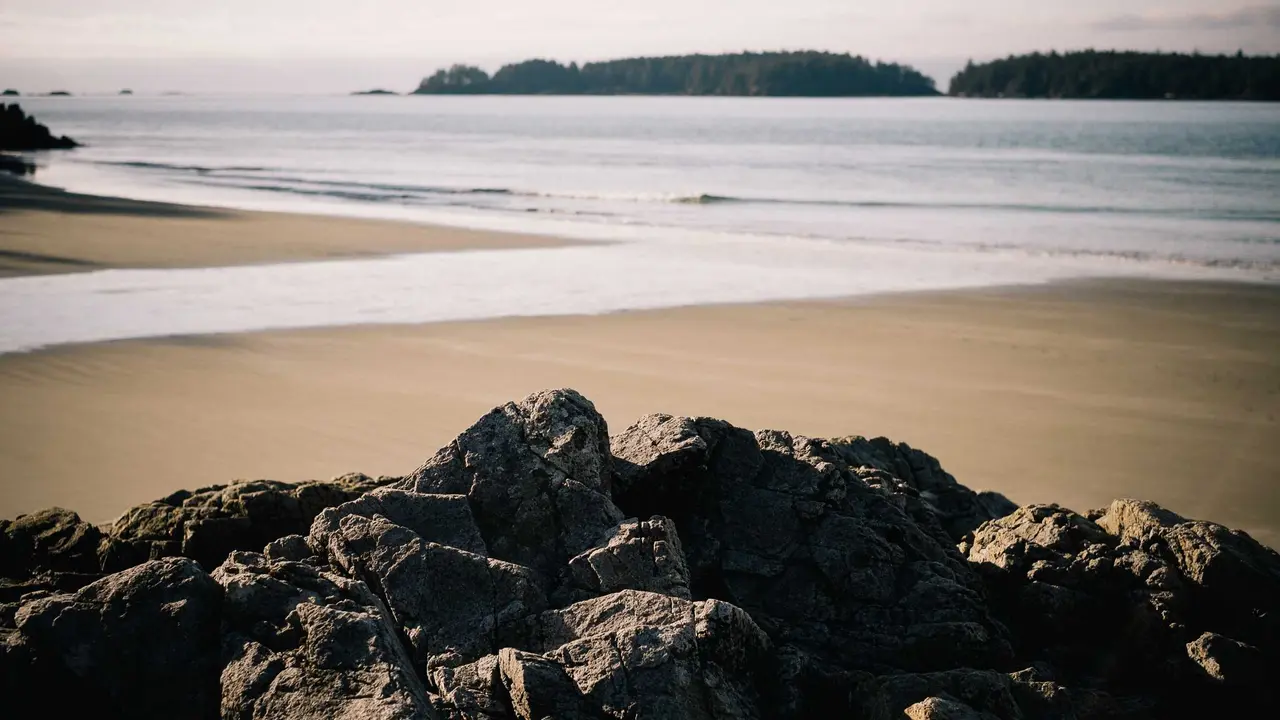
A tourist spotted a strange shape in the rock during a routine coastal walk. The group followed a guided path along the UK coastline when the unusual protrusion appeared beneath loose shale. This discovery, a rare Thalattosuchian jawbone, offers a direct link to the ancient marine history of the region.
A lucky find on a coastal path
Local palaeontologists were quickly alerted to the find. They identified the specimen as a Thalattosuchian, a rare type of sea crocodile.
Finding such a specimen is a significant breakthrough for the region. The jawbone provides a direct link to the area's ancient marine history.
This find marks a major moment for UK palaeontology. The group was simply following a standard path when the bone emerged from the rock.
The science behind the discovery
Thalattosuchians were prehistoric sea crocodiles adapted for life in the ocean. These marine-adapted crocodylomorphs lived millions of years ago. Their presence in the UK fossil record helps researchers map how reptiles transitioned from land to sea.
The jawbone provides critical data on the evolution of marine reptiles. Every fragment of the specimen offers a window into ancient ecosystems. Scientists use these bones to track changes in predator diets and hunting methods.
Detailed anatomical study is possible because of the specimen's condition. The bone remains largely intact despite its age. This level of preservation is rare for fossils found on eroding coastal cliffs.
This discovery adds to the known fossil record of the region's prehistoric era. It fills a gap in the local geological timeline. Researchers can now compare this find to other known specimens from the same period.
One specific detail allows for deeper investigation. The structure of the jaw suggests a specialized way of feeding. This helps experts understand the food chain that existed in these ancient waters.
A boost for local tourism
Local museums are already assessing the specimen for a potential public display. Curators want to show the jawbone to visitors as soon as the cleaning process finishes.
This discovery could drive a new wave of fossil hunting interest across the UK. Enthusiasts often travel long distances to find rare prehistoric remains along the coast.
Coastal erosion remains a double-edged sword for the region. The falling cliffs expose new layers of ancient rock to the elements. This process often reveals hidden fossils that have been buried for millions of years.
However, the loss of land also destroys potential sites before they can be studied. Scientists say protecting these cliffs is vital for future research.
Preserving the coastline ensures that more specimens can be found. Without careful management, the very ground holding these treasures could vanish into the sea.
Local authorities are now monitoring the site for any further remains. They hope the find will encourage more visitors to explore the area's natural history.
The moment the fossil was spotted
A tourist spotted a strange shape embedded in the coastal rock. The group was mid-way through a routine guided walk when the unusual protrusion caught their eye. It sat partially obscured by loose shale and grit.
One walker paused to examine the texture of the stone. The shape did not match the surrounding debris. It looked too structured, too deliberate for a common pebble.
The guide stopped the group immediately. As the team gathered around the outcrop, the atmosphere shifted from casual to intense. The group watched in silence as the light hit the object.
What began as a hobbyist excursion turned into a scientific event. The discovery was not a simple find, but a moment of sudden clarity for everyone present.
Extracting the bone required extreme care. The team used small tools to clear the surrounding sediment without disturbing the specimen. Every movement was measured to prevent the jawbone from fracturing.
One wrong move could have destroyed the find. The bone remained brittle and fragile within its ancient casing.
Minutes of careful work transformed the site. The group watched as more of the prehistoric structure emerged from the cliff face. The scale of the find became clear as the jawbone was freed from the rock.
By the time the walk ended, the casual outing had become a significant paleontological milestone. The group left the site with a piece of history.
Next steps for the specimen
Specialist laboratories are now preparing to clean the jawbone. The specimen is being transported to a dedicated facility for intensive preparation.
Researchers will use structural analysis and carbon dating to study the bone. These tests aim to confirm the exact age of the specimen and its biological properties.
A formal paper detailing the significance of the Thalattosuchian find is expected later this year. The study will present new evidence regarding the evolution of marine reptiles.
Local authorities are currently monitoring the original discovery site. They are looking for any further remains that might have been exposed by recent coastal erosion.
No other fossils have been confirmed yet.