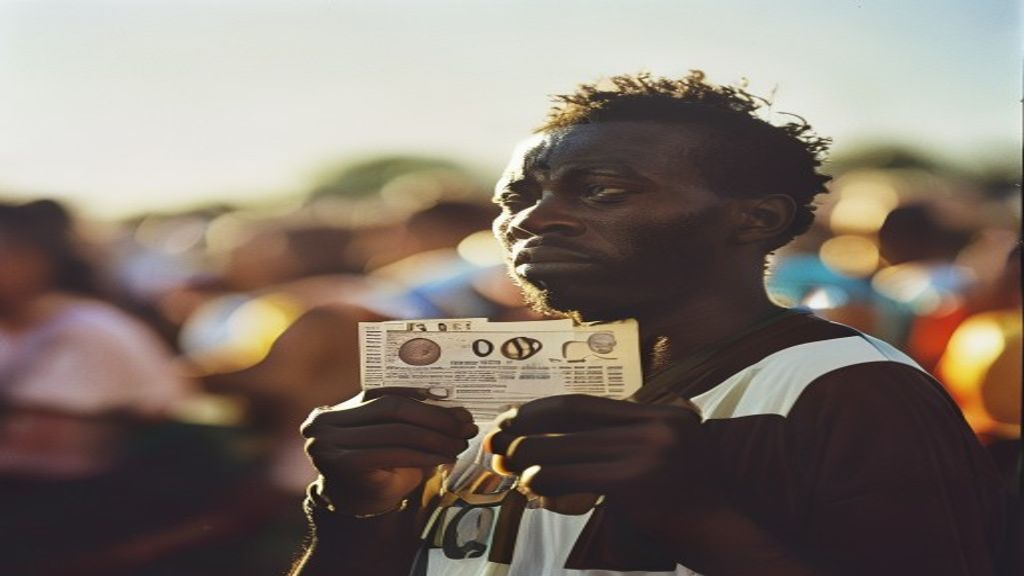
A new US travel ban has blocked DR Congo fans from attending World Cup matches. The CDC issued an emergency order on Monday following a spike in Ebola cases in Kinshasa. Thousands of ticket holders now face the loss of their travel investments. Supporters are now searching for a way to recover their costs. However, FIFA's current policies may leave many without any path to a refund. The uncertainty is growing as the tournament approaches.
The ban hits home
US citizens holding tickets for DR Congo matches cannot travel due to a new federal health restriction. The CDC issued an emergency order[2] on Monday. This order follows a spike in Ebola cases in Kinshasa.
David Miller, 28, from Chicago, stared at his confirmed booking email while reading the news alert on his phone. He had booked his flights weeks ago. The sudden news left him frozen.
An estimated 1,200 US-based supporters are caught in the middle of the restriction. These fans purchased tickets for the upcoming group stage games. Many had already finalized their travel itineraries.
Financial losses are mounting quickly. Fans risk losing between $800 and $1,500 per person on non-refundable travel and accommodation costs. The uncertainty is widespread.
The restriction takes effect in 48 hours. This leaves almost no time for safe travel preparation or itinerary changes. The window for action is closing.
The refund process is unclear
FIFA's standard ticket policy does not cover government-imposed travel bans. This leaves thousands of supporters without a clear path to recover their money. The US Soccer Federation has not yet issued a statement regarding liability or financial assistance for those unable to travel.
Fans are currently caught in a gap between different cancellation rules. Airlines may offer travel credits for cancelled flights, but FIFA's ticket rules remain rigid[1]. This mismatch makes it difficult to balance lost airfare against the cost of the match tickets themselves.
Diplomatic tension between the US and DR Congo adds more complexity to the situation. Any official resolution to the refund crisis may be delayed by the political friction surrounding the health order.
Legal experts warn that the financial burden will likely fall on the fans. A travel analyst noted that force majeure clauses in ticket terms[1] usually protect the seller rather than the buyer. This means the organiser is not legally obligated to refund tickets due to external events.
There is no automatic way to get money back. Fans must contact their ticket vendor directly[1] to start a claim. This is especially true for those who bought through third-party sites.
Waiting will be a long process.
Refund requests typically take 4 to 8 weeks[1] to process once documentation is received. This delay leaves many supporters in a state of financial limbo for months.
Supporters should take immediate steps to protect their funds. You should document every communication with airlines and ticket vendors. Filing a claim with your credit card company for travel insurance coverage is also a necessary precaution.
What happens next
FIFA is expected to release a formal guidance document on travel restrictions by Friday. This document will clarify how the organization handles government-imposed health orders for the 2026 FIFA World Cup.
Supporters have already launched an online petition to demand a full refund or a ticket transfer option. The movement has gathered 3,400 signatures in just 24 hours.
Whether the US government maintains the ban depends entirely on the next weekly health report from Kinshasa. Fans should monitor their email daily for updates from FIFA and their airlines.
David Miller sat by his window, staring at his half-packed suitcase. He did not know if he would be boarding a plane or watching the match on a screen.
The CDC reviews the travel ban every 14 days. Fans should monitor their email daily for updates from FIFA and their airlines. Whether the US government maintains the ban depends on the next weekly health report from Kinshasa.