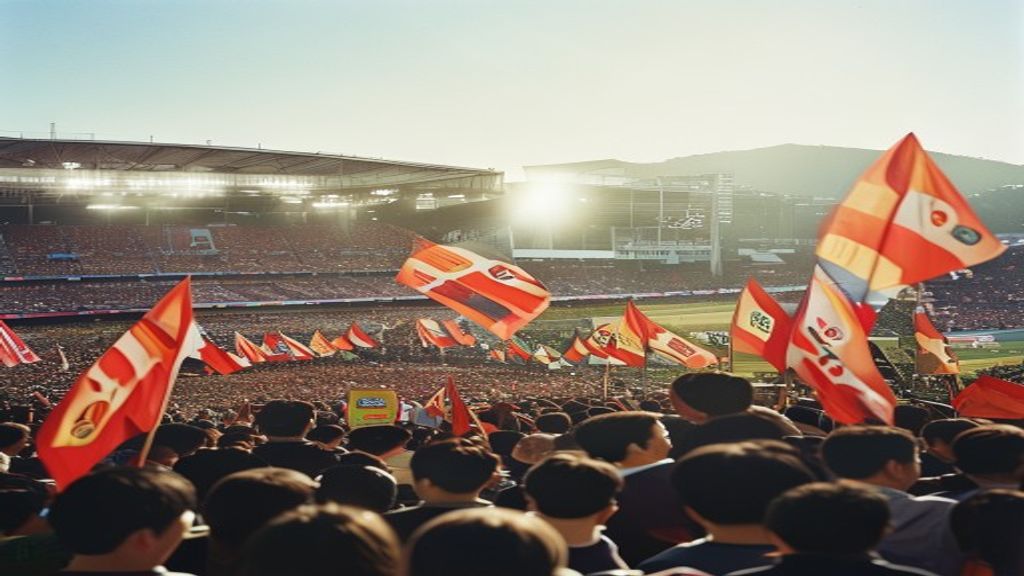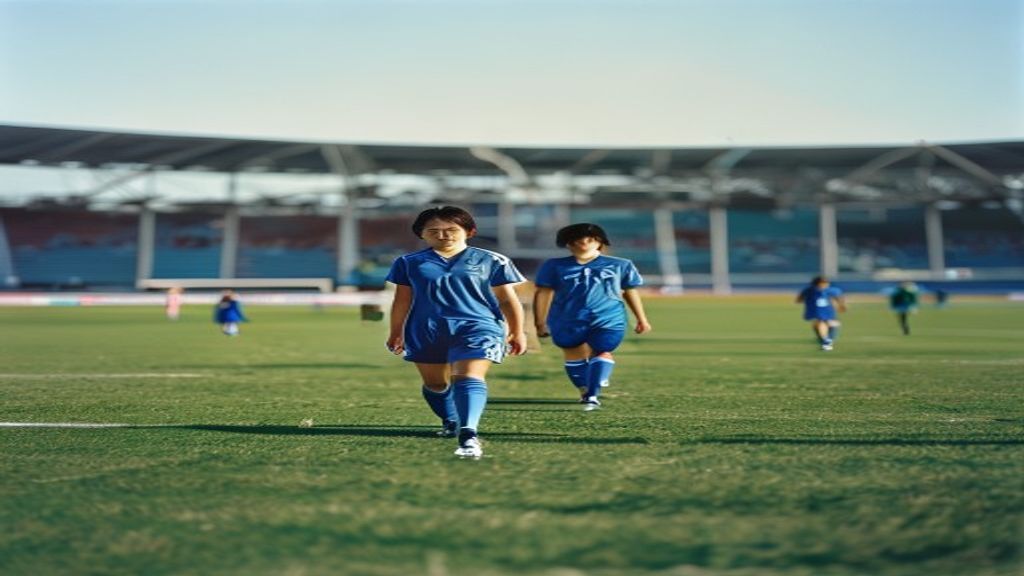
North Korean footballers have crossed the border into South Korea. The women's squad's arrival marks the first such crossing in eight years. This rare sporting encounter bypasses stalled political talks to find a new way forward. As training sessions begin at the designated site, the squad faces a steep learning curve. The presence of these athletes on South Korean soil provides a visible break from years of frozen relations. While the pitch remains the primary focus, the world is watching to see if this match can bridge a decades-old divide.
The Event: A Rare Crossing After an 8-Year Hiatus
The North Korea women's football team[1] played in the South, marking a significant break in isolation. This visit ends a period of nearly eight years without athletes from the North crossing the line.
It is a rare moment of contact. No athletes from the North have made such a trip in nearly 8 years[1]. The presence of the squad on South Korean soil provides a visible break from years of frozen relations.
This match serves as a symbol of a potential thaw. The event suggests a possible softening of the long-standing diplomatic tensions that have defined the peninsula. For a brief moment, the focus shifted from political blockades to the pitch.
Sports Diplomacy: Bridging the Divide
Football matches can build trust where direct talks fail. This sports diplomacy operates through informal channels[1] and shared human experiences. It bypasses political blockades to connect people through competition.
This movement mirrors the Pyeongchang Winter Olympics thaw[3]. During that event, North Korean participation signaled a temporary softening of inter-Korean relations.
Security remains a massive hurdle for these visits. Officials enforce extremely high security protocols for North Korean athletes. These measures include strict vetting, limited movement, and constant monitoring.
Control is absolute.
Beyond the pitch, the sport serves a domestic purpose. In the North, women's football is used for political propaganda[2]. The state uses the game to promote themes of socialist patriotism and state patriarchy.
What to watch for in the coming days
International media will monitor the upcoming press conferences and the match result. Every word from the delegation will be scrutinized for signs of political change.
Observers are looking for evidence of further athletic or cultural exchanges. While football matches can improve public sentiment, they are unlikely to resolve complex geopolitical issues without accompanying political agreements, according to reports[1].
No one knows if this visit will lead to more permanent ties. The North Korean delegation is expected to depart South Korea by the scheduled end date.
Observers will now look for evidence of further athletic or cultural exchanges. Whether this visit leads to more permanent ties remains the central question.