UK visa suspensions threaten to separate 1,360 refugee children from their parents every month. Administrative hurdles have halted processing streams, leaving families trapped in a state of legal limbo. The scale of the disruption is growing as policy shifts take hold.
New data reveals how recent government shifts are driving these numbers upward. We look at the specific policy changes targeting automatic reunion rights.
Every month, 1,360 refugee children face the threat of separation from their parents. This number represents those at risk as the UK halts specific family reunion processing streams. The suspension leaves many families in a state of uncertainty.
The monthly toll on families
Women and children are currently caught in horrible limbo[2]. The lack of clear pathways prevents parents from joining their loved ones in the UK. This administrative stall creates a growing backlog of families waiting for news.
Separation carries a heavy price for the youngest arrivals. The lack of parental presence often leads to anxiety, depression, and developmental delays[4] in children. These mental health struggles can persist long after a child reaches safety.
Integration becomes much harder when families are split. Without partners or children, refugees struggle to settle into their new communities. The current policy is among the most restrictive in Europe.
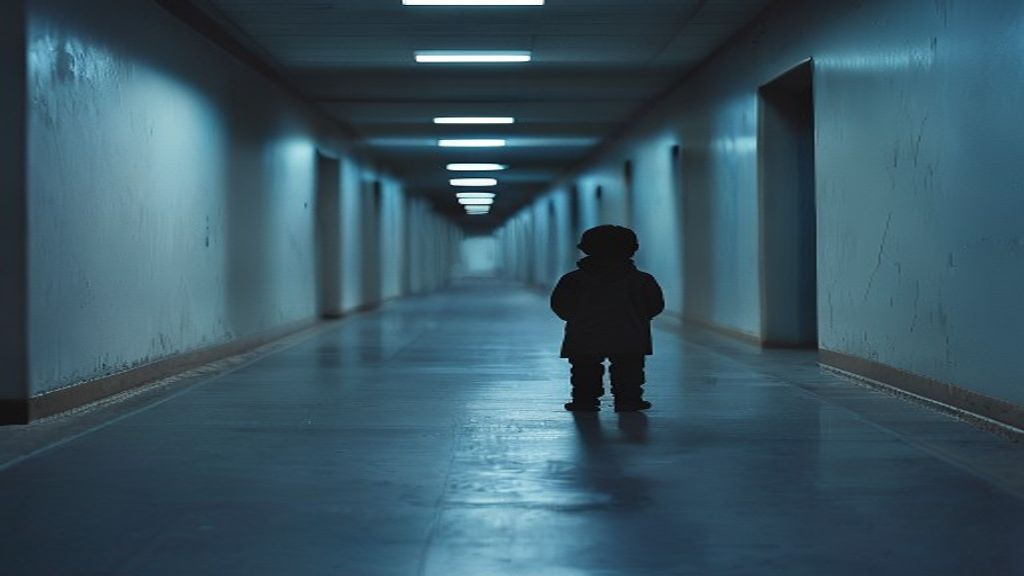
One child, waiting for a mother currently stuck in a processing queue, spends his days in a London classroom. He does not know when she will arrive. He only knows she is not here.
Parents are now looking toward the courts for relief. They can seek a judicial review or appeal through the Home Affairs Court. These legal challenges aim to overturn the suspension of the reunion scheme.
A system at a standstill
Administrative hurdles are trapping families in a state of limbo. The suspension of specific visa processing streams has halted the movement of many parents and children. This delay leaves women and children in 'horrible limbo'[2].
Processing times have stalled as the Home Office pauses certain reunion routes. Without these active channels, the backlog of applications continues to grow. The lack of a clear timeline for restarting these streams prevents families from planning their lives.
Children are paying the highest price for these delays. The separation of families often leads to anxiety, depression, and developmental delays[4] in young people. These mental health struggles can persist long after a child reaches the UK.
Integration becomes harder when a child's primary caregivers are absent. Research suggests that refugees will struggle to settle in the UK if they are barred from being reunited with their partners and children. The absence of a stable family unit undermines the entire resettlement process.
No direct financial help exists to ease this burden. Current policy does not offer any compensation for families separated by the suspension. This leaves many households to manage the logistical and emotional costs of separation alone.
What the data actually shows
Recent policy shifts have driven the current numbers upward. The UK government is looking to end automatic family reunion rights[1] for refugees. This move targets the very mechanisms that previously allowed families to reunite.
These changes have made the UK's separation policy one of the most restrictive in Europe. Compared to other nations, the current system creates a much higher barrier for entry. This gap in policy is widening the divide between the UK and its neighbours.
Specific visas and permits are now stuck in a growing queue. The suspension of these processing streams leaves many families in a state of limbo. Without a clear path forward, the backlog continues to grow.
No official timeline has been provided to address the delay. The Home Office has not released updates regarding when these processing streams might resume. This lack of clarity leaves thousands of people waiting for answers that may not come.
The next steps for campaigners
Lawyers are preparing to challenge the suspension in court. Parents can seek judicial review or appeal[4] through the Home Affairs Court to contest the current rules. This legal battle could set a precedent for how the UK treats all refugee families.
Advocacy groups are also planning protests. They aim to bring the issue to the floor of Parliament to force a debate on the backlog. The pressure follows growing concerns that the government is looking to end automatic family reunion rights[1] for refugees entirely.
Humanitarian organisations continue to track the 1,360 children at risk. They monitor the impact of the separation on families every month. No official timeline for clearing the backlog has been released.
All eyes are on the Home Office. The department is expected to provide an update on the processing delays soon.