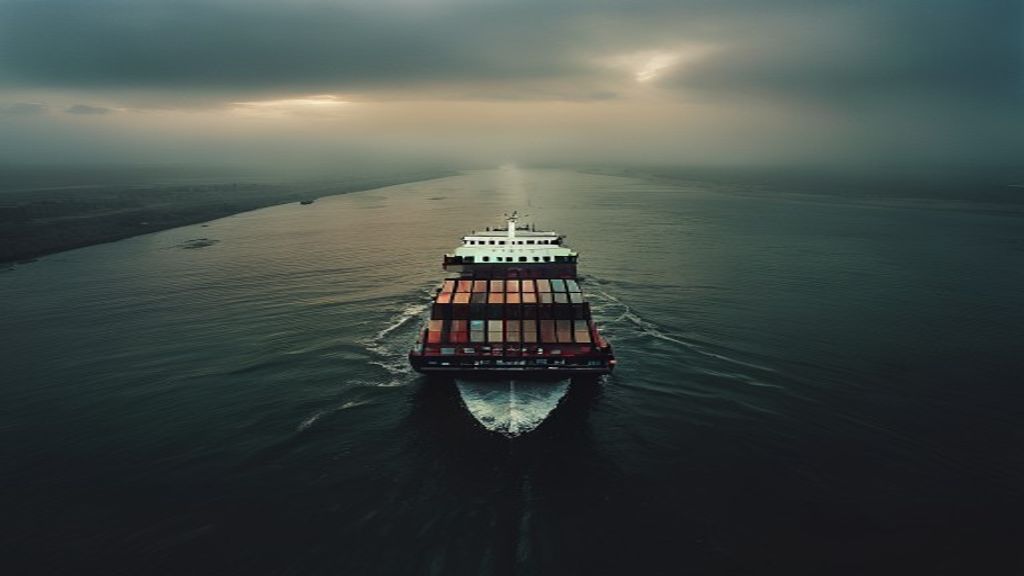
Iranian naval forces have increased patrols near the Strait of Hormuz. A sudden blockage of the waterway could disrupt 20% of the world's oil and gas supply. Unmanned vessels and drones are now tracking US carrier groups in real time. These new asymmetric tactics are changing how the region is even monitored. The tension is rising as Iran implements a new transit regime to consolidate its control over the shipping lanes. Global energy markets are watching the tension in the Persian Gulf. Any disruption to the shipping lanes is a sudden threat to the international trade and energy security.
A tightening grip on global oil lanes
Iranian naval forces have increased patrols near the Strait of Hormuz. This deployment follows heightened military readiness from US and Israeli forces in the region. The move threatens the flow of 21 million barrels of oil[3] per day through the waterway.
Global energy prices face immediate volatility. Maritime safety is also at risk. The Strait of Hormuz[8] remains a critical oil chokepoint amid regional conflict.
Recent sightings of Iranian fast-attack boats near international shipping lanes confirm the shift. These vessels are operating closer to commercial routes than in previous months. The presence of these boats signals a change in local naval activity.
Iran has already implemented a new transit regime. This system involves vetting and occasional fees for vessels trying to sail through the Strait. Such measures are designed to consolidate control over the waterway.
Threats are direct.
Iran's navy has stated that any ship trying to pass the Strait of Hormuz will be targeted. This stance follows a period of intense regional friction. The Strait of Hormuz[4] has long been a subject of conflict between the United States and Iran.
The mechanics of maritime defiance
Iran is using drones and unmanned vessels to monitor US carrier groups. This shift relies on asymmetric warfare tactics. The 2026 crisis includes drone strikes and cyberattacks[6] to bypass traditional naval strength.
New radar installations now line the coast. These stations allow for real-time tracking of commercial tankers. The Iranian Revolutionary Guard Corps (IRGC) has also integrated new coastal missile batteries into the strait's defense perimeter.
Control is not about direct naval confrontation. Instead, the strategy focuses on asymmetric dominance. This approach uses technology to offset the presence of larger foreign fleets.
Shipping costs are already rising. Increased risks in the Persian Gulf have led to higher insurance premiums for vessels transiting the area. The cost of moving cargo is becoming a central part of the tension.
No one is immune to the disruption. The strategy targets the economic stability of international trade through constant surveillance and the threat of sudden strikes.
What happens to global supply chains next
Energy markets are watching for any disruption to the 20% of the world's oil and gas that passes through the waterway. Any sudden blockage would trigger immediate price spikes. The risk is real.
US Fifth Fleet commanders are monitoring the deployment of new Iranian hardware across the region. They are tracking the movement of coastal batteries and surveillance drones. The focus is on preventing a sudden escalation that could shut down the transit route.
Diplomats are preparing for a new transit regime[2] that could further complicate shipping. The Iranian government has already begun implementing vetting processes for vessels. This could slow down the movement of tankers through the Persian Gulf.
An upcoming maritime security summit in Bahrain will address the increased risk to tankers. International officials will meet to discuss coordinated responses to maritime threats. The goal is even a simple agreement on safety protocols.
Regional naval exercises are scheduled for next month. This is the next critical window for tension. The eyes of the world are watching the heavy machinery of the global energy supply chain.