Economic fallout from regional conflict is crushing Afghan migrants in Iran. Afghan migrants in Iran are suffering a disproportionate crisis driven by the intersection of economic collapse (Rial devaluation) and aggressive state policy (deportations), leaving them trapped with no viable exit or support. What follows traces what is established and what to watch next.
The Disproportionate Burden of Conflict
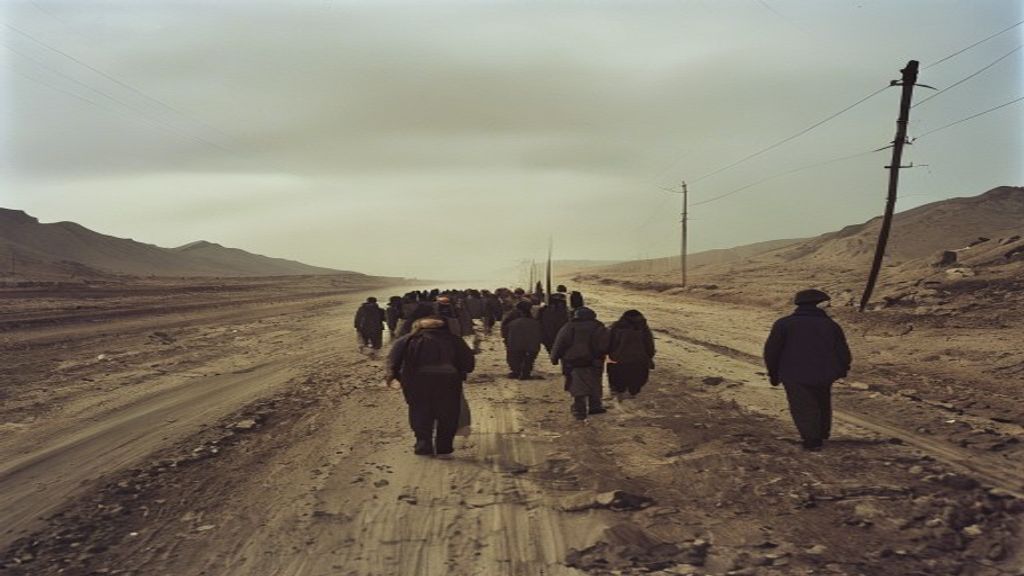
Afghan refugees and migrant workers in Iran are paying a disproportionate price[2]. Months of ongoing conflict have triggered an economic fallout that hits these communities hardest.
Economic instability is spreading. The instability stems from a cycle of violence and financial decay that leaves vulnerable populations with few defenses.
On Friday, July 11, 2025[1], the UNHCR issued a statement regarding the return of Afghan refugees. This official update highlighted the growing urgency of the crisis.
Pressure is mounting.
As the regional situation shifts, the burden on those already displaced continues to grow. The consequences of the conflict are no longer just political, but deeply personal for families living on the edge of survival.
The Rial is losing its value
A sharp drop in the value of the Iranian Rial[2] has gutted the purchasing power of Afghan labourers. Daily wages no longer cover basic needs. This economic decline forces many workers to seek informal or dangerous jobs[2] just to survive.
Survival has become a daily struggle. Without steady income, families cannot afford food or medicine.
No safety net remains
The Iranian government provides minimal support[2] to Afghan migrant workers during this crisis. There are no subsidies or emergency funds to cushion the blow. This lack of protection leaves thousands of families entirely on their own.
Legal pressures are also mounting. Iran has tightened visa regulations[2] and increased the number of deportations for Afghan workers. Many find themselves caught between a collapsing economy and a tightening legal net.
A Trap with No Exit: Regional Implications
Leaving is not an option for most. The costs of moving to Turkey or Pakistan are too high for families already struggling with the economic crisis.
There is no escape.
This lack of movement creates a regional crisis. A chaotic wave of returnees[1] from Iran and Pakistan is already straining Afghanistan's capacity under Taliban rule.
This influx of people is not just a local problem. The UNHCR warned that the instability of the returnees could impact regional stability.
Afghanistan's infrastructure is already at its a breaking point. The sudden arrival of large numbers of people is overwhelming the country's ability to handle the influx.
Taken together, these threads sketch where the story stands today. On the record, Afghan refugees and migrant workers in Iran are paying a disproportionate price amid the economic fallout from months of conflict. The next chapter will be written by the choices the principal parties make in the days ahead. Readers can expect more clarity as new reporting tests what is still provisional.