Security guards now scan bags at the entrance of Sydney synagogues. This new routine follows a deadly Hanukkah terror attack at Bondi Beach that left a community reeling. For many Jewish Australians, the sense of local safety vanished alongside the holiday celebrations.
Fear for physical safety now dominates daily life. The violence at Bondi Beach transformed a local tragedy into a national crisis of identity and security. Families are now navigating a landscape of heightened anxiety, driven by rising tensions linked to the war in Gaza.
What began as a single act of violence has evolved into a widespread pattern of hostility. The stakes for Australia's social cohesion have never been higher.
A community in fear
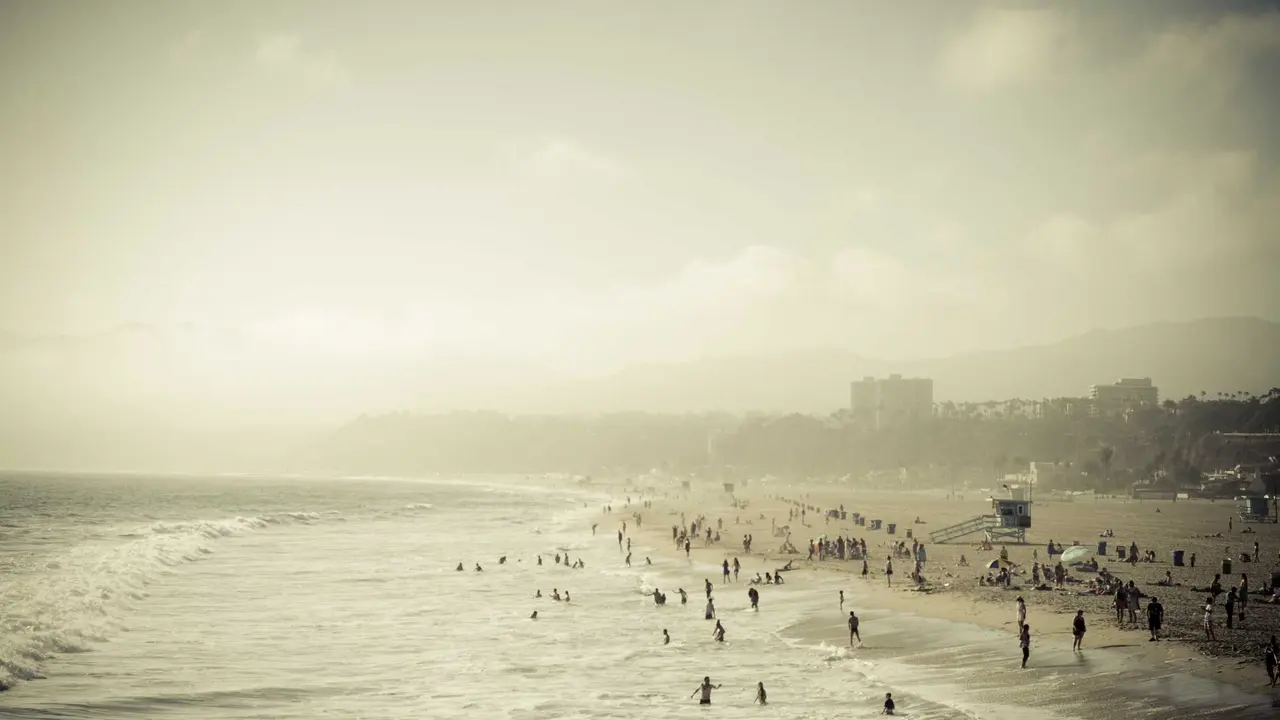
Sydney's Bondi Beach became a crime scene during a deadly Hanukkah terror attack. The violence shattered a sense of local safety. What began as a tragedy at a holiday celebration quickly evolved into a national crisis for Jewish Australians.
Fear for physical safety now dominates daily life. Many community members no longer feel secure in public spaces. This anxiety is fueled in part by Israel's war in Gaza.
Local Jewish groups have decried a lack of support from authorities. They say the surge in hate has left families vulnerable. The breakdown of social cohesion is visible in every corner of the community.
Security is a constant worry.
The Royal Commission on Antisemitism and Social Coion recently held its first public hearings. Witnesses expressed deep concerns regarding the safety of their children. These sessions highlighted a growing sense of isolation among religious minorities.
People are unsure of the path forward. Many Australian Jews are unsure if the official inquiry can actually produce lasting change. The threat feels constant.
There is a growing debate over how hate is defined. The Australian Human Rights Institute has already commented on the contentious nature of the current antisemitism plan. The stakes for the country's social fabric are high.
The numbers behind the hate
Reports of antisemitic incidents have surged across the country. Monitoring groups note a sharp rise in physical threats and vandalism following the Bondi Beach attack. Online harassment has also increased alongside these physical confrontations.
These incidents are no longer confined to Sydney. Vandalism and threats have been recorded in several major Australian cities. The geographical spread of the hostility is widening.
Many local Jewish groups have decried the lack of support from authorities regarding these rising attacks. They say the current response does not match the scale of the threat. The tension is palpable.
Public hearings for the Royal Commission on Antisemitism and Social Cohesion have highlighted these growing concerns. Witnesses at the hearings spoke of a climate of fear. The impact on children has been a central focus of the testimony.
Voices from the street
Security guards now stand outside synagogue gates at dawn. They check IDs and scan bags for every visitor. This change in routine arrived months after the Bondi Beach attack.
David Cohen, 52, walked toward the entrance of his local community centre last Tuesday. He paused at the perimeter fence to wait for the heavy metal gate to unlock. He did not look at the street, but kept his eyes on the floor.
"We do not look up anymore," Cohen said. He adjusted his kippah before stepping into the courtyard.
He is not alone in this habit of looking away. Many community members describe a shift from initial shock to a state of permanent alertness. The fear is no longer about a single event, but about the constant presence of hostility.
At the recent Royal Commission hearings, witnesses spoke of the mental cost of living this way. They described the exhaustion of checking surroundings in every shopping centre and train station.
One witness mentioned the difficulty of simply being in public. The sense of safety has vanished.
Local Jewish groups have decried the lack of support from authorities. They say the rise in visible threats is not being met with enough protection. Many feel the responsibility for safety has fallen entirely on the victims.
Some residents are unsure if the current inquiry can bring real change. They see the hearings as a way to document pain rather than a way to stop it. The tension remains.
For parents, the concern is focused on their children. The first week of the hearings was dominated by the impact of hate on the youngest members of the community. They are the ones being taught to recognise threats before they see them.
Beyond the physical attacks
Online spaces have become a new front for the hostility. Antisemitic rhetoric is spreading rapidly across social media platforms. This digital surge follows the rise in tension linked to Israel's war in Gaza.
Students in Jewish-Australian schools are feeling the pressure. The fear is no longer confined to the streets. Many children now face a constant stream of hate in their digital feeds.
Public spaces are also shrinking. Places where families once gathered freely now feel unsafe. This loss of shared space leaves many feeling isolated.
Local Jewish groups have decried the lack of support from authorities. They say the response to rising antisemitism has been insufficient. The silence from institutions is deafening.
There is a growing debate over how to define hate. The Australian Human Rights Institute has commented on the contentious definition of hate within the current antisemitism plan. This legal ambiguity makes enforcement difficult.
What happens next
Public hearings for the Royal Commission on Antisemitism and Social Cohesion continue this week. These sessions aim to investigate the surge in hate. Many participants are providing testimony behind closed doors to protect their identities.
Local police are already changing how they patrol sensitive areas. Precinct commanders in Sydney have increased visible presence near religious sites. This move follows direct requests from community leaders who fear further violence.
Monitoring groups are preparing for a major milestone. An upcoming annual report will provide the first full dataset on the recent spike in incidents. Researchers will use this data to track whether physical threats and vandalism are accelerating.
Uncertainty remains high. Many Australian Jews are unsure if the inquiry can produce lasting legal protections. The outcome of the commission's findings will likely drive much of the debate over hate crime legislation.
A community vigil is scheduled for next Friday. The event will take place at a local park to honour those affected by the Bondi attack. Organisers say the gathering will serve as both a memorial and a call for greater security.
A community vigil is scheduled for next Friday at a local park. Organisers intend for the gathering to serve as both a memorial for the Bondi victims and a direct call for increased security. The outcome of the ongoing Royal Commission will likely dictate the future of hate crime legislation across the country.