The blast in northern Shanxi province has triggered the deadliest mining disaster in years. Families are waiting for answers. Social media is erupting with demands for accountability. Netizens are using coded language and images of black coal to bypass censors and voice their fury. The public perception is clear: systemic neglect has cost lives. As the official investigation begins, the tension between state control and public outrage continues to mount.
The Liushenyu Disaster: What Happened
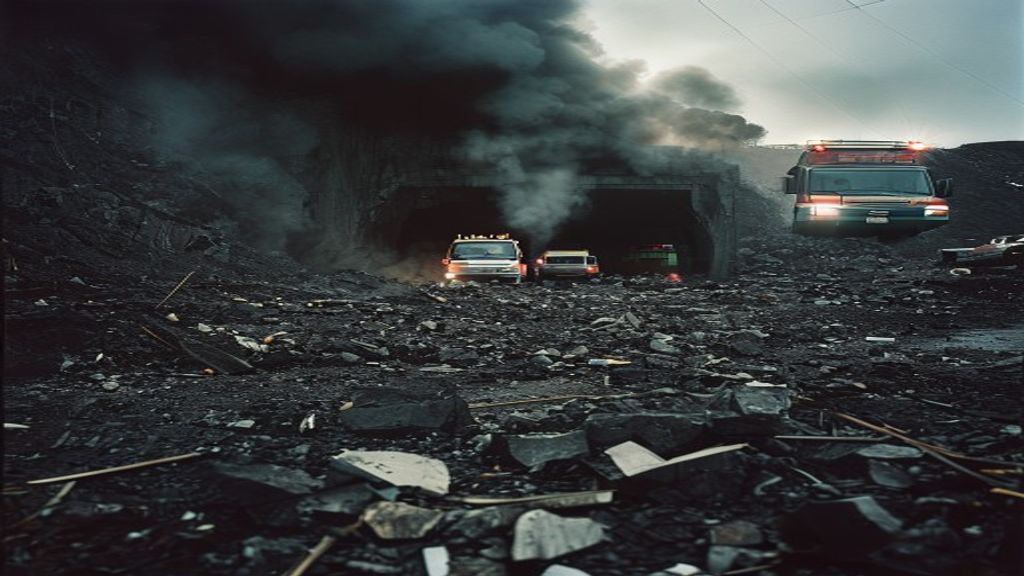
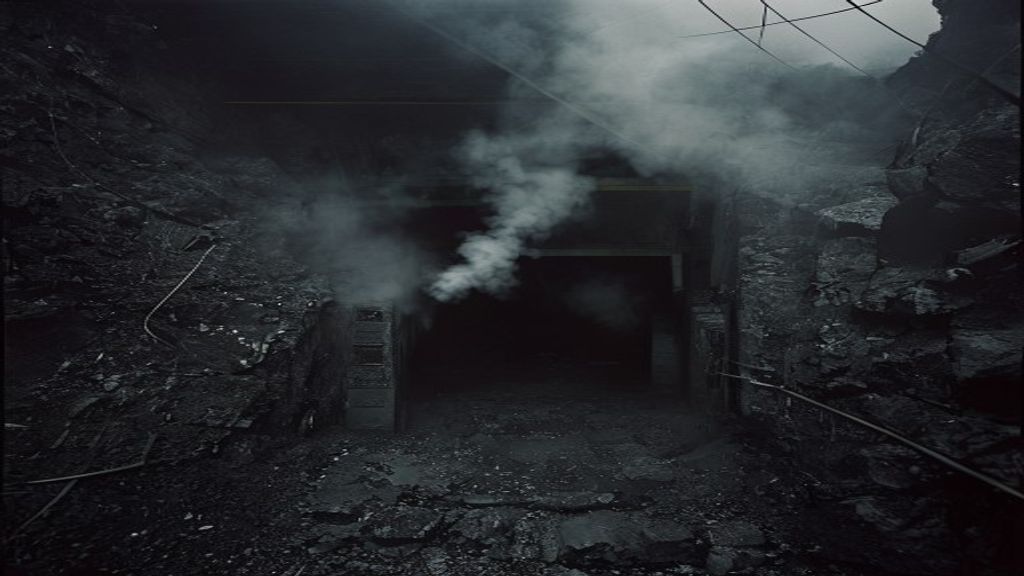
A massive gas explosion tore through the Liushenyu coal mine in May 2026. The blast occurred deep underground in Changzhi, a city in northern Shanxi province. Emergency crews rushed to the site as smoke billowed from the shafts. Rescue teams worked around the clock to reach trapped workers. The scale of the disaster shocked the local community and drew national attention.
Authorities confirmed the event was a catastrophic failure of safety protocols. The mine had been operating under standard regulations before the collapse. Workers were descending into the tunnels when the gas ignited. The explosion sent shockwaves through the surrounding rock layers. Debris blocked several key exit routes within minutes.
First responders faced extreme heat and unstable ground conditions. The rescue effort required specialized equipment to navigate the rubble. Families gathered outside the mine entrance, waiting for news. They held photos of their loved ones in the cold morning air. Silence fell over the crowd as hours passed without updates.
The tragedy highlighted the ongoing dangers of China’s coal industry. Shanxi province is a major hub for coal production in the country. The region has seen numerous mining incidents over the past decade. This latest disaster raised urgent questions about worker safety. The Liushenyu mine was known for its high output levels. Production demands often outpaced safety inspections in the area.
Local officials had previously cited minor violations at the site. Those warnings were not enough to prevent the catastrophe. The explosion killed dozens of miners instantly. Many others were left trapped in the dark tunnels. Rescue dogs were deployed to sniff out survivors. Medical teams set up field hospitals near the entrance.
The scene was chaotic as families demanded answers. Police cordoned off the area to maintain order. Dust covered the streets for miles around the mine. The air smelled of sulfur and burnt coal. Workers described hearing a loud boom before everything went black. Some managed to escape through secondary shafts. Others were not so lucky.
The disaster unfolded rapidly, leaving little time for evacuation. Safety alarms failed to trigger in time. Gas detectors showed normal levels just hours before the blast. This discrepancy fueled suspicion about maintenance records. The mine operator did not immediately comment on the incident. Workers’ families accused the company of cutting corners. They pointed to worn-out equipment and poor ventilation systems.
The government launched an immediate inquiry into the cause. Investigators seized documents from the mine’s offices. They interviewed surviving workers and local officials. The focus was on whether negligence played a role. The Liushenyu disaster is now classified as a major industrial accident. It stands as a grim reminder of the risks in coal mining.
The event has sparked widespread debate about industry standards. Critics argue that profit margins often override safety concerns. Supporters of the industry claim that accidents are rare. They point to improved technology and stricter laws in recent years. However, this incident suggests that gaps remain. The death toll continues to rise as rescue efforts slow. Hope for finding survivors is fading with each passing day.
The mine remains sealed off for further investigation. Engineers are analyzing the structural damage. They aim to determine the exact point of ignition. The findings will likely influence future mining regulations. The tragedy has left a deep scar on the community. Residents of Changzhi mourn the loss of life. Many of the victims were the primary breadwinners for their families. Their absence will be felt for generations.
The disaster also raises broader questions about energy policy. China relies heavily on coal for its power needs. Transitioning to cleaner energy sources remains a challenge. The Liushenyu explosion underscores the human cost of this dependence. It serves as a stark warning to other mining regions. Safety cannot be compromised for the sake of production. The lives of workers must always come first.
The world watches as China grapples with this crisis. The outcome will have far-reaching implications for the industry. Lessons learned here could prevent future tragedies. But only if the right changes are made. The clock is ticking for accountability. Families deserve justice and transparency. The truth about the Liushenyu disaster must come out. The investigation is ongoing, but answers are expected soon.
The nation waits with bated breath. The weight of the tragedy is heavy. It hangs over Shanxi like a dark cloud. The mine site is now a place of mourning. Flowers and candles line the perimeter fence. A makeshift memorial stands near the entrance. Names of the victims are written on cards. Each name represents a life cut short.
The community comes together to support one another. Local businesses offer free meals to grieving families. Volunteers help with logistics and emotional support. The spirit of resilience is strong in Changzhi. But the pain is raw and real. The disaster has changed lives forever. It has exposed vulnerabilities in the system. It has forced a national conversation about safety.
The Liushenyu explosion is a tragedy that will not be forgotten. It is a call to action for change. The industry must evolve to protect its workers. The future of mining depends on it. The lessons from this disaster are clear. Safety is not optional. It is essential. The Liushenyu mine explosion is categorized as a disaster[1] in Shanxi province. The event marks a dark chapter in China’s industrial history. It serves as a somber reminder of the stakes involved.
The search for truth continues. The demand for justice grows louder. The world watches closely. The outcome will shape the future of mining. The Liushenyu disaster is more than a statistic. It is a story of loss and resilience. It is a testament to the strength of the human spirit. But it is also a warning. One that cannot be ignored. The time for change is now. The lives of miners depend on it. The Liushenyu explosion is classified as a gas explosion[1] in China. The cause is under intense scrutiny. The findings will determine the path forward. The industry must learn from this mistake. The workers deserve better. The community deserves answers. The nation deserves safety. The Liushenyu disaster is a pivotal moment. It will be remembered for years to come. The legacy of this tragedy is yet to be written. But one thing is certain. The call for reform is deafening. The time for action is now.
Public Outcry and Calls for Justice
Online anger has surged following the Liushenyu mine explosion[1]. Netizens are demanding answers. The reaction is fierce and immediate. Social media feeds are filled with grief. Many users are calling for strict accountability. They want to know who failed these workers. The tone is not just sad. It is furious.
People feel betrayed by systemic neglect. This is a breaking point for public patience. China’s internet is tightly controlled. Censors remove sensitive posts quickly. Yet this anger is visible. It cuts through the digital silence. Users are using coded language. They post images of black coal. They share videos of rescue efforts. These posts carry heavy emotional weight. The state monitors every click. But the volume of outrage is hard to ignore. It signals deep public frustration.
Safety standards are under intense scrutiny. The digital record shows a nation upset. The core question is simple. How did this happen again? Users point to past failures. They cite ignored safety warnings. They mention cut corners on inspections. The perception is clear. Negligence is the root cause. Workers are treated as expendable. Profit is prioritized over lives. This narrative is gaining traction. It challenges official safety claims. The public sees a pattern. It is not an accident. It is a failure of duty. The demand for justice is loud.
Anger stems from the high death toll. Each life lost fuels the fire. Families are left in despair. Communities are in shock. The scale of loss is devastating. It highlights a grim reality. Coal mining remains deadly in China. Safety reforms have not stuck. Inspections are often superficial. Companies ignore red flags. The public knows this. They have seen it before. This disaster confirms their fears. It validates years of suspicion. Trust in regulators is low. The outcry is a demand for change.
Systemic negligence is the key phrase. It appears in many comments. Users link this event to others. They see a broader failure. The system is broken. Rules exist on paper. They are not enforced underground. Inspectors may be bribed. Or they may be lazy. Either way, workers die. The public sees this link. It is not isolated. It is institutional. The anger is directed at the top. Officials are held responsible. They set the tone. They allow shortcuts. The cost is paid in blood.
Calls for justice are specific. Users want names. They want arrests. They want real punishment. Fines are not enough. They are seen as a cost of doing business. The public demands criminal liability. They want executives to face prison. They want regulators to be fired. This is a shift in tone. Past disasters were met with silence. This time, the noise is loud. The pressure is mounting. The government cannot ignore it. The stakes are high. Stability depends on a response.
The digital space is a battleground. Censors work overtime. Posts are deleted. Accounts are suspended. But the anger persists. It spreads to other platforms. It moves offline. Families gather at hospitals. They hold signs. They demand updates. The online and offline worlds merge. The pressure is real. It is not just clicks. It is human pain. It is visible and raw. The state faces a test. It must handle the grief. It must address the rage. Failure to do so risks more unrest.
The focus is on safety failures. Users dissect the timeline. They question the gas levels. They ask about ventilation. They demand technical details. The official report is awaited. It will be scrutinized. Every word will be analyzed. The public is skeptical. They expect a cover-up. They want transparency. They want the truth. This is a rare moment. The veil is thin. The public is watching. They will not look away. The demand for facts is urgent.
Justice is the central theme. It is not just about this mine. It is about all mines. It is about all workers. The outcry is a warning. It signals a breaking point. The social contract is strained. The state promises safety. It must deliver. Or face the consequences. The anger is a force. It is hard to contain. It is hard to dismiss. It is a call for action. The response will define the future. The public is waiting. They want to see change. They want to see results.
Investigation and Industry Impact
The Ministry of Emergency Management has launched an official probe into the disaster. The agency is tasked with determining the exact cause and assigning responsibility. This investigation will likely trigger sweeping changes across the coal sector. Regulators are expected to impose stricter safety inspections on mines nationwide. Production halts may follow as authorities review compliance records. The goal is to prevent a repeat of such a catastrophic event.
China’s coal industry has a history of deadly accidents. The 2023 Xinjing open-pit coal mine landslide killed 53 people in Inner Mongolia. That tragedy occurred on February 22 and highlighted deep-seated safety failures. The Xinjing landslide death toll[2] shocked the nation and prompted temporary crackdowns. Yet systemic issues often resurface once political pressure eases. The current disaster suggests those reforms were insufficient or poorly enforced.
Shanxi province is a major coal-producing region. It has seen multiple mining disasters in recent years. The pattern of accidents points to chronic negligence in safety protocols. Mines often prioritize output over worker protection. Inspectors may lack the resources or authority to enforce rules. Corruption can also play a role in overlooking violations. The Liushenyu explosion is classified as a 2026 disaster in China[1] of significant scale.
The government faces intense scrutiny over its response. Public anger demands accountability and visible action. Officials must balance economic needs with safety reforms. Coal remains a critical energy source for the country. Shutting down mines could disrupt power supplies and hurt local economies. However, ignoring safety risks invites more deaths and unrest. The stakes are high for both human lives and social stability.
Historical context reveals a recurring cycle of disaster and reform. After each major accident, Beijing announces stricter regulations. Inspections become more frequent and penalties more severe. But enforcement often weakens over time. Mines return to risky practices when oversight relaxes. The 2023 Alxa Left Banner mine collapse is another example. It is categorized as an explosion in China[3] that drew national attention.
The current investigation will determine if new measures are needed. Experts warn that superficial reforms will not solve the problem. Real change requires sustained political will and independent oversight. Workers need stronger protections and clearer reporting channels. Companies must face meaningful consequences for safety violations. The public expects more than temporary crackdowns.
Industry leaders are likely to feel the pressure. Coal companies may face higher operational costs due to stricter rules. Smaller mines could struggle to comply and shut down. Larger firms might invest in better safety technology. The market could consolidate as weaker players exit. This shift could improve overall safety standards in the long run.
The timeline for the investigation remains unclear. Such probes can take months or even years to conclude. Interim measures may be implemented to address immediate risks. Mines in Shanxi and other provinces could face temporary closures. Workers might be reassigned or laid off during inspections. The economic impact on local communities could be significant.
International observers are watching the response closely. China’s commitment to safety reforms affects global perceptions. The country is a major coal producer and consumer. Its policies influence energy markets and environmental standards. A thorough investigation could set a positive precedent. A rushed or opaque process would undermine trust.
The families of the victims are waiting for answers. They deserve transparency and justice. The government must communicate clearly about findings and actions. Hiding information only fuels suspicion and anger. Open dialogue can help rebuild public confidence. The outcome of this investigation will shape the future of China’s coal industry. It will also test the government’s ability to learn from tragedy.
The Ministry of Emergency Management continues its probe into the site. The findings will determine if criminal charges are brought against mine executives. For the families in Changzhi, the search for truth remains the only priority.