Polished hotel driveways and crisp uniforms mask a much deeper tension. Behind the luxury, a heavy security presence monitors every movement. New construction cranes now dominate the desert skyline. As hotels rise, the political reality of the region remains under constant surveillance. The Moroccan government is betting on a massive influx of Western holidaymakers to cement its administrative presence in the disputed territory. This economic push aims to transform the Sahara into a stable, thriving destination. However, the rapid expansion of infrastructure brings a shadow of increased control. For many, the new resorts are more than just vacation spots; they are permanent fixtures in a long-standing struggle for sovereignty.
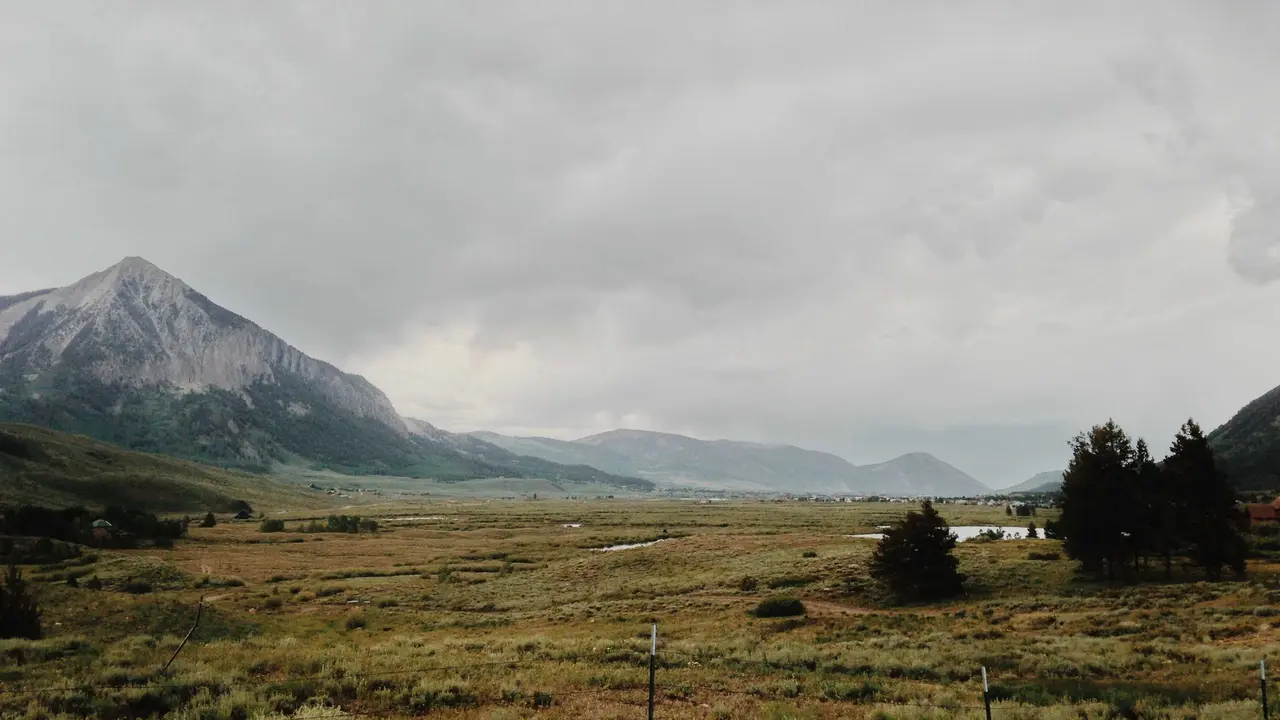
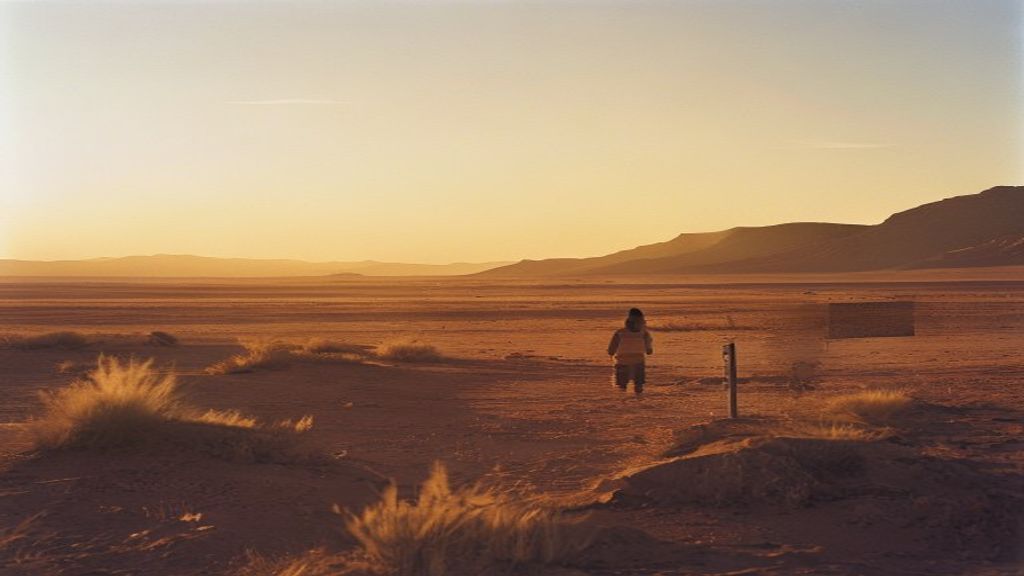
Tourist buses roll into Dakhla under a blinding white sun. The air is dry and hot. Visitors step out onto polished hotel driveways, greeted by staff in crisp uniforms and guided tours that highlight the region's rapid economic development. The landscape around them is vast and empty, defined by endless Sahara Desert landscapes that stretch to the horizon. The terrain offers a stark, beautiful isolation that draws holidaymakers seeking adventure and sun. The government frames this influx as a success story of normalization and job creation. Critics argue it serves a different purpose. They see the hotels and resorts as a facade for political control over a disputed territory. The tension between economic promise and political reality is immediate. It shapes every interaction on the ground.
A local tour operator named Youssef manages the daily flow of visitors. He works in the hospitality sector and sees the influx firsthand. Youssef explains that the tourism push brings real money to the region. He notes that new jobs have appeared where there were few before. The hotels need staff. The restaurants need cooks. The tour companies need guides. This economic activity is visible and tangible. Youssef points to the construction cranes still visible on the skyline. He says the investment is changing the physical shape of the coast. The government aims to attract more Western holidaymakers to visit the territory it claims to own. This strategy relies on steady visitor numbers[1] to reinforce its administrative presence. The goal is to make the territory feel integrated and normal. The success of this plan depends on keeping the flow of tourists constant. Youssef sees the benefits in his own paycheck. He also sees the limits of his freedom. The same system that brings tourists also monitors residents. The stakes for locals are high. Economic opportunity comes with increased surveillance. Political expression has become more difficult. The space for dissent is shrinking. Residents must navigate a delicate balance. They want the jobs. They fear the consequences of speaking out. The duality is the defining feature of life here.
The numbers behind the push are hard to pin down. Official statistics on visitor growth are not always transparent. The government highlights investment figures in millions to show progress. These funds build the infrastructure that supports the tourism industry. The hotels are modern and well-equipped. The airports are expanded to handle larger flights. The roads are paved and maintained. This development is undeniable. It transforms the region from a remote outpost into a destination. The Sahrawi people have lived in refugee camps in Algeria for the past 36 years. Their displacement remains a central issue[2] in the broader conflict. The tourism boom in Western Sahara does not address this history. It focuses on the present and the future. The government wants to move the narrative forward. It wants to show development and stability. The United Nations is preparing for negotiations on the status of Western Sahara. These talks could reshape the political landscape[2] significantly. The outcome will determine who controls the territory. It will also determine who benefits from the tourism revenue. The current administration is using time as a tool. It is building facts on the ground. It is making the status quo harder to reverse. The hotels are a form of diplomacy. They are a statement of permanence. The tourists are an audience. They are witnesses to the claim of sovereignty. The government wants them to see a thriving region. It wants them to ignore the underlying dispute. The strategy is calculated. It is designed to normalize the occupation through commerce. The economic benefits are real. The political costs are also real. The residents pay the price. They gain employment. They lose privacy. They face a tighter grip on their daily lives. The security cameras are everywhere. They watch the tourists. They watch the locals. The line between hospitality and control is thin. It is often invisible. The sun beats down on the sand. The cameras keep recording. The story is complex. It is not just about travel. It is about power. It is about who gets to define the future of the region. The tourists leave after a week. The residents stay. They live with the consequences. The balance of power is shifting. It is shifting in favor of those who control the narrative. The narrative is one of progress. It is also one of control. The two are intertwined. You cannot separate them. The hotels stand as monuments to this duality. They are places of rest. They are also places of observation. The guests sleep soundly. The locals watch carefully. The tension is palpable. It is in the air. It is in the silence. It is in the way people speak. They choose their words carefully. They know they are being heard. They know they are being seen. The tourism push is a double-edged sword. It cuts both ways. It brings money. It brings scrutiny. The residents must decide what they value more. The choice is not easy. It is not clear. The future is uncertain. The present is tense. The sand shifts underfoot. The cameras do not blink. The sun does not rest. The story continues. It unfolds day by day. It unfolds visit by visit. It unfolds in the quiet moments between the tours. The truth is hidden in the details. It is in the glance. It is in the gesture. It is in the unspoken understanding. The government wants order. The residents want freedom. The tourists want a holiday. All three desires collide in this place. The result is a fragile peace. It is maintained by money. It is maintained by force. It is maintained by silence. The cameras capture it all. They record the smiles. They record the shadows. They record the truth. The truth is complicated. It is messy. It is real. The sun sets on the desert. The lights come on in the hotels. The night begins. The work continues. The watch continues. The story is far from over. It is just beginning. The next chapter will be written by the people who stay. The tourists will leave. The residents will remain.
The construction cranes dominate the skyline. They stand tall against the endless Sahara Desert landscapes that draw visitors from across Europe. The steel arms move with mechanical precision. They lift concrete and glass into place. The new hotels rise quickly. They replace older structures. They replace open spaces. They replace places where people once gathered to speak freely. The physical transformation is visible from the airport. It is visible from the main roads. It is visible from the beach. The landscape is changing fast.
Tourists see the polished facades. They see the modern amenities. They see the promise of comfort. They do not see the checkpoints. They do not see the police presence. They do not see the security cameras. These measures are often ignored in promotional material. The brochures show sun and sand. They show smiling faces. They show luxury pools. They do not show the reality of daily life. The reality includes tight security. The reality includes constant monitoring. The reality includes restricted movement. Travel advice for Western Sahara includes information on safety and security, insurance, entry requirements, and legal differences safety and security guidelines[3]. The UK Foreign, Commonwealth & Development Office (FCDO) provides travel advice for Western Sahara official travel guidance[3]. Visitors are told to check current travel advisories regarding political stability and border controls. Safety depends on the specific region. The southern areas are generally accessible. But the rules can change. The atmosphere can shift. The tension remains.
International investors fund the new projects. Foreign companies build the infrastructure. They claim neutrality. They say they are just doing business. They say they are creating jobs. They say they are bringing development. Local perceptions are different. Locals see the buildings as tools of control. Locals see the investors as enablers of occupation. Locals see the hotels as symbols of erasure. The Sahrawi people have lived in refugee camps in Algeria for the past 36 years refugee camp history[2]. They wait for a resolution. They wait for justice. They wait for recognition. The United Nations is preparing for negotiations on the status of Western Sahara UN negotiation preparations[2]. The process is slow. The process is complex. The process is fraught with tension. The United Nations maintains a document regarding Western Sahara under document number A/77/506 UN document A/77/506[4]. The document outlines the situation. It outlines the disputes. It outlines the stalemate. The hotels rise while the talks stall. The concrete pours while the diplomats debate. The rooms fill while the prisoners wait. The contrast is stark. The contrast is painful. The contrast is undeniable.
Rights groups warn of a chilling effect. Activists describe the atmosphere. They say free speech is shrinking. They say dissent is punished. They say surveillance is increasing. They say the space for political expression is closing. The government denies the claims. The government calls the accusations false. The government calls the critics biased. The government calls the opposition terrorists. The government frames the tourism push as economic normalization. The government frames the investment as job creation. The government frames the development as progress. Critics call it a facade. Critics call it a tool of political control. Critics call it a strategy of facts on the ground. The long-standing dispute over sovereignty fuels the conflict. The dispute dates back decades. The dispute involves multiple actors. The dispute involves international law. The dispute involves human rights. The dispute involves self-determination. The dispute involves territory. The dispute involves identity. The dispute involves memory. The dispute involves pain. The dispute involves hope. The dispute involves fear. The dispute involves anger. The dispute involves resilience. The dispute involves endurance. The dispute involves survival. The dispute involves dignity. The dispute involves justice. The dispute involves truth. The dispute involves reconciliation. The dispute involves peace. The dispute involves war. The dispute involves silence. The dispute involves noise. The dispute involves everything.
Most tourists do not need a separate visa if they enter from Morocco, but rules can change visa entry rules[1]. The Moroccan government aims to attract more Western holidaymakers to visit the territory it claims to own Morocco tourism goals. The strategy is clear. The strategy is deliberate. The strategy is calculated. The strategy is effective. The hotels fill up. The beaches fill up. The restaurants fill up. The shops fill up. The economy grows. The jobs increase. The infrastructure improves. The services expand. The quality of life rises. For some. For the workers. For the managers. For the investors. For the government. For the loyalists. For the compliant. For the quiet. For the obedient. For the invisible. For the monitored. For the watched. For the controlled. For the managed. For the contained. For the suppressed. For the silenced. For the marginalized. For the excluded. For the displaced. For the forgotten. For the ignored. For the erased. For the denied. For the oppressed. For the suffering. For the waiting. For the hoping. For the dreaming. For the remembering. For the resisting. For the enduring. For the surviving. For the living. For the dying. For the lost. For the found. For the broken. For the whole. For the divided. For the united. For the separated. For the connected. For the isolated. For the integrated. For the alienated. For the belonging. For the homeless. For the housed. For the hungry. For the fed. For the thirsty. For the quenched. For the cold. For the warm. For the dark. For the light. For the night. For the day. For the past. For the future. For the present. For the now. For the then. For the always. For the never. For the maybe. For the surely. For the perhaps. For the definitely. For the possibly. For the certainly. For the unlikely. For the probable. For the inevitable. For the avoidable. For the unavoidable. For the preventable. For the unpreventable. For the curable. For the incurable. For the fixable. For the unfixable. For the repairable. For the irreparable. For the salvageable. For the unsalvageable. For the recoverable. For the unrecoverable. For the redeemable. For the irredeemable. For the forgivable. For the unforgivable. For the pardonable. For the unpardonable. For the excusable. For the inexcusable. For the justifiable. For the unjustifiable. For the defensible.
The tourists eventually leave. Their rental cars disappear back toward the coast. The polished hotels empty out for the night. The security cameras keep rolling. The political reality remains unchanged. The United Nations is preparing for new negotiations on the status of Western Sahara. These talks could reshape the region. They could also stall for years. The outcome depends on diplomacy, not tourism brochures.
The UN mission holds the key. Document A/77/506 outlines the current framework. It calls for a political solution. It does not endorse permanent occupation. It does not support immediate independence. It seeks a compromise. Rabat wants finality. The Polisario Front wants self-determination. The gap between them is wide. The UN mediator tries to bridge it. Progress is slow. Trust is low. The process continues.
Diplomats work behind closed doors. They meet in New York. They meet in Geneva. They meet in Rabat. They discuss borders. They discuss rights. They discuss resources. The Sahara holds phosphate. It holds fish. It holds potential energy. Control means wealth. Wealth means power. Power means influence. The stakes are high. The players are many. The timeline is unclear. The next round of talks has no fixed date. Delays are common. Deadlines are flexible. Patience is a strategy.
International stance may shift. Some nations recognize Moroccan sovereignty. Others remain neutral. A few support the Polisario. The balance is fragile. One vote can change everything. One statement can alter the mood. The US position matters. The EU position matters. The African Union position matters. Each bloc weighs its interests. Each bloc calculates its risk. Tourism helps Rabat's case. It shows normalcy. It shows stability. It shows life. Critics say it shows occupation. They say it hides legitimacy. They say it silences dissent. Both sides have points. Neither side has all of them.
The future, Commonwealth & Development Office provides travel advice. It lists safety warnings. It lists entry rules. It lists legal differences. It does not take a side. It does not judge the dispute. It guides British citizens. It protects their interests. It updates its guidance. It monitors the situation. It watches for changes. Travelers check the site. They plan their trips. They buy their insurance. They pack their bags. They ignore the politics. Or they try to. The advice is practical. It is not political. It is not moral. It is operational.
Most tourists enter from Morocco. They do not need a separate visa. The border is open. The road is paved. The journey is easy. Rules can change. Governments can shift. Policies can flip. A new minister can appear. A new law can pass. A new restriction can start. Travelers assume continuity. They assume stability. They assume peace. The desert does not guarantee any of it. The sand shifts. The wind blows. The politics move. The ground is not solid. The status is not final. The future is not written.
Photography is generally permitted. Visitors snap photos of dunes. They capture sunsets. They frame camels. They post to social media. They share their joy. They ignore the borders. They ignore the guards. They ignore the rules. Filming near borders is risky. Cameras draw attention. Attention draws questions. Questions draw trouble. Visitors should be mindful. They should respect customs. They should follow regulations. They should stay safe. The desert is beautiful. It is also dangerous. It is also disputed. The lens captures light. It does not capture truth. It does not capture law. It captures a moment.
Safety depends on the region. Southern areas are accessible. Northern areas are tense. Border zones are restricted. Checkpoints are frequent. Police are visible. Soldiers are present. Travelers check advisories. They read the warnings. They heed the advice. They adjust their plans. They avoid the edges. They stay in the center. They stay in the resorts. They stay in the safe zones. The map is clear. The lines are drawn. The risks are known. The choices are theirs. The consequences are real. The desert waits for no one.
The Sahrawi people wait too. They have lived in camps for 36 years. They live in Algeria. They live in tents. They live in dust. They live in hope. They live in fear. They live in limbo. They want answers. They want rights. They want a future. The camps are not temporary. They are not transitional. They are not temporary. They are permanent. They are a fact. They are a reality. They are a tragedy. They are a testament to patience. They are a testament to endurance. They are a a testament to failure. The failure of diplomacy. The failure of peace. The failure of will. The failure of time.
Tourism numbers may fluctuate. Political tensions rise. International pressure mounts. Tourists stay stay away. They cancel bookings. They change destinations. They choose safer spots. They choose easier places. They choose neutral ground. The hotels feel it. The The operators feel it. The economy feels it. The government feels it. The opposition feels it. Everyone The desert feels nothing. The desert does not care. The desert does not judge. The desert does not vote. The desert does not speak. The desert does does not negotiate. The desert simply is.
The tour operator from earlier watches. He He stands on the balcony. He looks at the empty pool. He looks at the quiet beach. He looks at the horizon. He thinks about his job. He thinks about his family. He He thinks about his future. He knows the risks. He knows the rewards. He knows the uncertainty. He knows the politics. He knows the people. He knows the desert. He knows the cameras. He knows the lights. He knows the show. He knows the script. He knows his role. He plays it well. He plays it straight. He hopes for peace. He hopes for profit. He hopes for both. He hopes for neither. He hopes for time. Time is the only thing he has.
The long-term impact is unknown. Regional stability hangs in the balance. Rights of the Sahrawi people hang in the balance. The strategy may work. The strategy may fail. The strategy may backfire. The strategy may endure. No one knows.
The long-term impact of this strategy remains unknown. Regional stability and the rights of the Sahrawi people hang in the balance as the desert landscape shifts. The next round of United Nations negotiations will determine if diplomacy can match the pace of the construction cranes.