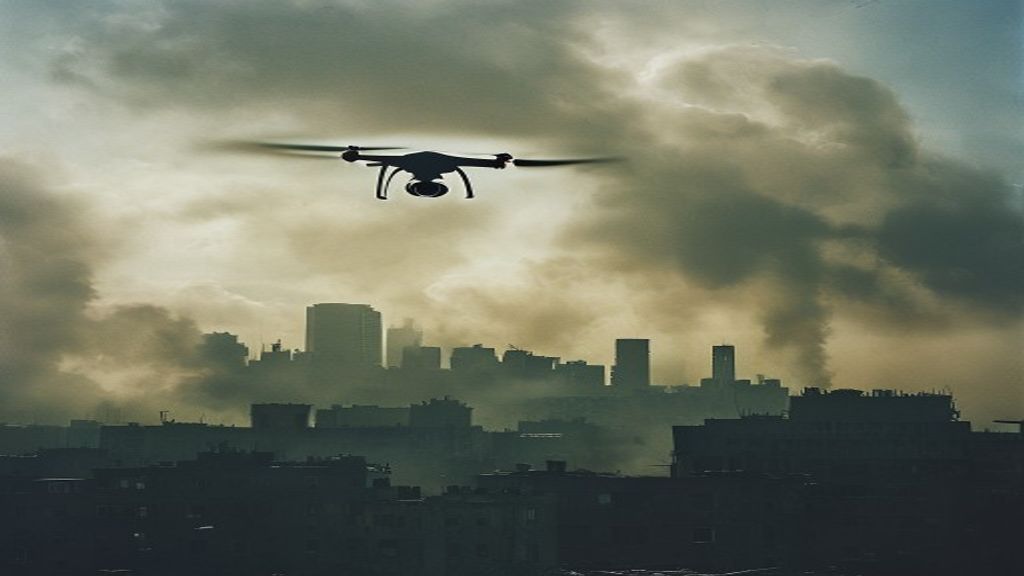
New Hezbollah drone footage reveals a shift in flight patterns. The craft no longer wobbles. They follow precise paths that bypass traditional detection.
A technical breakthrough involving fibre-optic tethers is changing the rules of engagement. This connection makes the drones nearly untraceable by existing air defences. The physical link allows the craft to move without emitting the radio signals that sensors typically track.
As these unmanned systems become more sophisticated, the risk to regional stability grows. The precision of these maneuvers makes interception much harder for automated systems. This evolution places international observers directly in the path of an invisible threat.
New footage shows a change in drone flight
Recent video clips show Hezbollah drones following precise, non-erratic paths. The movement differs from previous erratic flight patterns. This shift suggests a move away from simple kamikaze strikes toward controlled, guided maneuvers.
BBC Verify investigators used forensic video analysis to track these movement patterns. The footage confirms that the drones are no longer just drifting toward targets. They are following specific, intentional trajectories.
This change creates a significant risk to established defences. The new flight paths are designed to bypass electronic jamming and signal interception. Traditional methods used to disrupt drone communications may no longer work.
One UNIFIL maritime vessel intercepted an approaching drone off the southern Lebanese coast in October. Such encounters highlight the growing danger in the region. The precision of these new maneuvers makes interception much harder for automated systems.
Unpredictability is gone.
As drone activity increases, the UNIFIL mission reported[1] that explosions and drone activity are endangering personnel. The stability of southern Lebanon is under threat. These evolving tactics place international observers directly in the line of fire.
The fibre-optic breakthrough
Technical evidence points to a new way to fly. These drones use a physical fibre-optic tether to stay connected to their controllers. This connection bypasses the radio frequencies that most electronic warfare systems target.
Traditional signal jamming is no longer effective against this method. Because the drone is physically wired, it does not emit the electromagnetic signatures that sensors typically track. This allows for high-precision strikes even in heavy electronic warfare environments.
It creates a silent path to the target.
The hardware relies on a physical link that remains stable during flight. This method prevents the signal interception that usually alerts air defence systems to an incoming threat. The technology allows the drone to follow precise, non-erratic paths through contested airspace.
While the technical advantage is clear, the cost of this hardware is growing. The deployment of such equipment remains a secondary but rising concern for regional stability. The use of advanced drones is part of a broader contest between established militaries and non-state actors, as noted by the Combating Terrorism Center at West Point[4].
UNIFIL peacekeepers face rising danger
New drone tactics are placing international observers in the direct line of fire. The UN Interim Force in Lebanon (UNIFIL) reported that escalating drone activity and nearby explosions are endangering its personnel. These incidents involve suspected Hezbollah drones and Israeli forces.
Stability in southern Lebanon is under threat. Increased activity near the Blue Line heightens the risk of accidental engagement between combatants. The shift in technology complicates the mission of international observers in the region.
One observer noted unusual aerial activity near a checkpoint last week. The movement appeared different from previous patterns.
Peacekeepers are already facing physical threats. On October 17, 2024, a UNIFIL Maritime Task Force vessel intercepted an approaching drone off the southern Lebanese coast. Such encounters demonstrate the growing presence of unmanned systems in the area.
Israel struggles to intercept the new tech
Existing air defence layers rely on detecting radio signals. The Iron Dome and other multi-layered systems track incoming threats by picking up electromagnetic emissions. These sensors look for the specific radio frequencies used by drones to communicate with their operators.
Fibre-optic drones change the math. Because they use a physical tether, they do not emit the electromagnetic signatures that Israeli sensors typically track. This lack of signal leaves the automated systems searching for a ghost.
This creates a dangerous blind spot. Military analysts suggest the technology bypasses current automated interception protocols. The systems are designed to react to a signal, but there is no signal to trigger the response.
Detection remains the primary hurdle. Without a radio footprint, the first sign of an attack is often the impact itself. The drone arrives without warning, hitting its target before the system can even register a threat.
What to watch for next
Larger fibre-optic drone units may arrive in the coming months. The deployment of heavier, more complex hardware could expand the reach of these untraceable strikes. This shift would force a total rethink of border security.
Israel is already testing new ways to spot the invisible. Engineers are developing acoustic and visual sensors to detect the physical presence of drones. These systems aim to catch the movement of the craft rather than its radio signal.
Detection remains the primary challenge. Without a signal to intercept, the first sign of an attack is often the impact itself.
Diplomats are preparing for a technical debate. The next round of UN Security Council discussions[1] will likely address these technical escalations. The focus will be on how new drone capabilities threaten the stability of southern Lebanon.
Diplomats are preparing for a technical debate. The next round of UN Security Council discussions will likely address these technical escalations and the threat to southern Lebanon. The focus will remain on how these new capabilities undermine established stability.