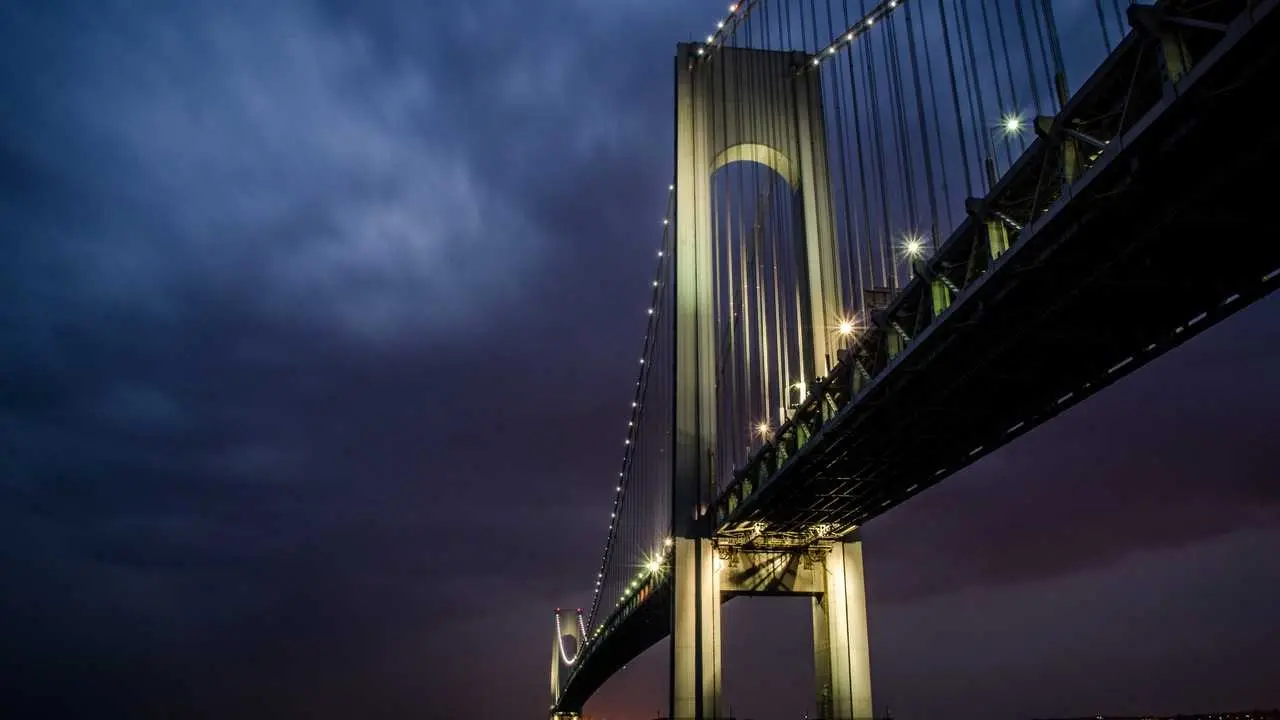
This halt follows a Ukrainian drone strike that damaged critical infrastructure on the Kerch Strait Bridge. The suspension disrupts a primary supply artery for the region. The stoppage threatens the availability of fuel and essential goods across the peninsula. New logistical challenges are now impacting local supply chains and costs. The damage to the rail deck has forced an immediate halt to all rail operations while the road deck remains open.
Train service halted after bridge strike
Russia suspended all passenger and freight train traffic to the Crimean Peninsula on Tuesday. The suspension followed a Ukrainian drone strike[2] that damaged the railway section of the Kerch Strait Bridge.
Russian railway operator RZD confirmed the suspension in a statement. The attack targeted the rail deck of the structure. This strike knocked out a locomotive[4] during the incident, according to authorities.
The damage to the rail section forced an immediate halt to all rail operations. While the rail deck is out of service, the road deck of the bridge remains open.
The attack caused casualties among the train crew. One assistant driver was killed[5] and a driver was wounded, according to reports.
Authorities are currently using buses to move travelers. Passengers from three different trains[1] are being transported by road following the attack.
The incident occurred amid ongoing hostilities in the region. The full extent of the structural damage and a timeline for repairs have not been confirmed.
Logistics squeeze worsens fuel crisis
The suspension of rail traffic cuts a vital supply line for fuel and essential goods to the Crimean Peninsula. This disruption targets a primary artery used for heavy imports. Crimea relies heavily on rail imports[2] to maintain its energy supplies.
The strike on the bridge rail deck intensifies existing fuel shortages[2] in the region. Logistics experts say the bridge acts as a critical chokepoint for peninsula supplies. Without the rail link, the volume of bulk fuel moving into the territory decreases.
Road transport cannot fully replace the capacity of the halted rail lines. Trucks and buses lack the scale to move the same amount of liquid fuel as heavy trains. This shift forces supply chains to use longer and less efficient routes.
The attack highlights how strikes on key infrastructure nodes can destabilize regional logistics. The disruption of these rail and fuel lines hinders local commerce[2] across the peninsula. The loss of the rail link creates a bottleneck that affects all incoming shipments.
Residents face longer waits and higher costs
Crimean residents face immediate disruptions to daily travel and the availability of goods. The suspension of rail services forces commuters to use alternative routes. Many travelers must now rely on road transport or ferry services. These alternatives increase total travel time across the peninsula.
Economic pressures are also rising for local households. Reduced supply efficiency may lead to higher fuel prices. The disruption of rail and fuel supplies exacerbates existing shortages[2] in the region. This shift in logistics also hinders local commerce[2].
The Kerch Strait Bridge remains a central point of damage and contention. The strike on the rail deck highlights how infrastructure attacks in conflict zones create cascading failures. These logistical breakdowns often outlast the initial physical damage to the site.
Repair crews have begun assessing the damage to the rail deck.