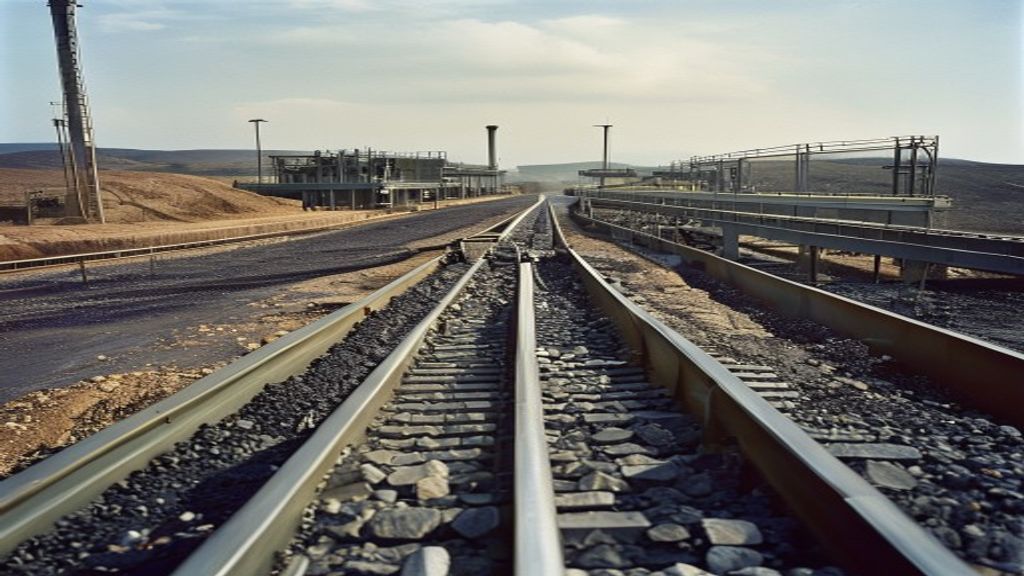
Tanzania Deputy Minister Kiruswa Steven Kiruswa, calls for an end to raw mineral exports. Tanzania's Deputy Minister Steven Kiruswa argues that Africa's path to inclusive prosperity and SDG achievement lies in shifting from raw mineral exports to local value addition, a move supported by the continent's vast resource endowment but hindered by infrastructure and capital gaps. What follows traces what is established and what to watch next.
The push for local value
Tanzania's Deputy Minister for Minerals, Steven Kiruswa, called for an end to raw mineral exports. He argued that African nations must focus on local processing and manufacturing. This shift is necessary to achieve the Sustainable Development Goals (SDGs) and build long-term prosperity.
Africa holds a massive share of the world's natural wealth. The continent contains one third of global mineral reserves[2]. It also possesses nearly 8% of the Earth's natural gas reserves and 10% of global oil reserves.
Yet, this wealth does not always reach the people. Africa remains home to the poorest countries in the world.
Kiruswa believes sustainable development requires using these resources to create wealth within the continent. He noted that the process must include technology transfer and job creation. The goal is to move beyond simply extracting and shipping ores.
Local processing directly supports several global targets. It boosts SDG 9 for industry and infrastructure[1]. It also drives SDG 8 by creating decent work and SDG 12 by reducing waste through responsible consumption.
However, significant hurdles remain. Building these facilities requires overcoming limited access to capital and a lack of technical expertise. Infrastructure deficits also threaten the success of new manufacturing hubs.
Breaking the export cycle
Exporting raw minerals represents a lost opportunity for local job creation. Steven Kiruswa argued that the continent must use its natural wealth to generate prosperity within its own borders. This shift requires moving beyond simple extraction.
Establishing refineries and processing plants is the necessary next step for regional industrial growth. These facilities can help transform the continent's economic trajectory. Success depends on turning raw ore into finished products.
Developing local infrastructure is required to support these new manufacturing hubs. The transition faces hurdles like limited access to capital and a lack of technical expertise. Infrastructure deficits[1] also threaten the success of new manufacturing hubs.
Local processing directly supports several global targets. It boosts manufacturing under SDG 9 and creates jobs through SDG 8. It also helps reduce waste as part of SDG 12.
This move aims to reduce the resource curse. By ensuring mineral wealth stays within local borders, nations can protect their economies. The goal is to keep the value where the resources are found.
What happens next
African leaders will soon gather at regional summits to debate new mineral policy frameworks. These discussions aim to align continental trade with the goal of local manufacturing. The success of this shift depends on securing cross-border investment[3] in processing technology.
Building these industrial hubs requires more than just political will. Tanzania is currently reviewing its own mining regulations to encourage domestic processing capabilities. The government wants to ensure that new rules actively support local refineries.
Progress remains difficult. Many nations still face limited access to capital[1] and a lack of technical expertise. Without international partners to provide training and infrastructure finance, the transition may stall.
One major hurdle is the infrastructure deficit across the continent. New manufacturing plants cannot function without reliable power and transport networks. Success relies on turning these raw resources into stable, long-term wealth.
Taken together, these threads sketch where the story stands today. On the record, Tanzania Minerals Deputy Minister Steven Kiruswa stated that African countries must stop exporting raw minerals and focus on local processing and manufacturing to achieve the Sustainable Development Goals (SDGs) and build inclusive, long-term prosperity. The next chapter will be written by the choices the principal parties make in the days ahead. Readers can expect more clarity as new reporting tests what is still provisional.