The open-air Mass transformed Madrid's most iconic fountain into a massive altar. Thousands gathered as the city prepared for a historic religious service. Other figures place the number as high as two million.
The Pope arrives at Cibeles
Pope Francis stood before a sea of people at the Plaza de Cibeles. The fountain sprayed water behind the altar as the Mass began. This open-air service in Madrid, Spain[1] marked a major stop on his visit to the country.
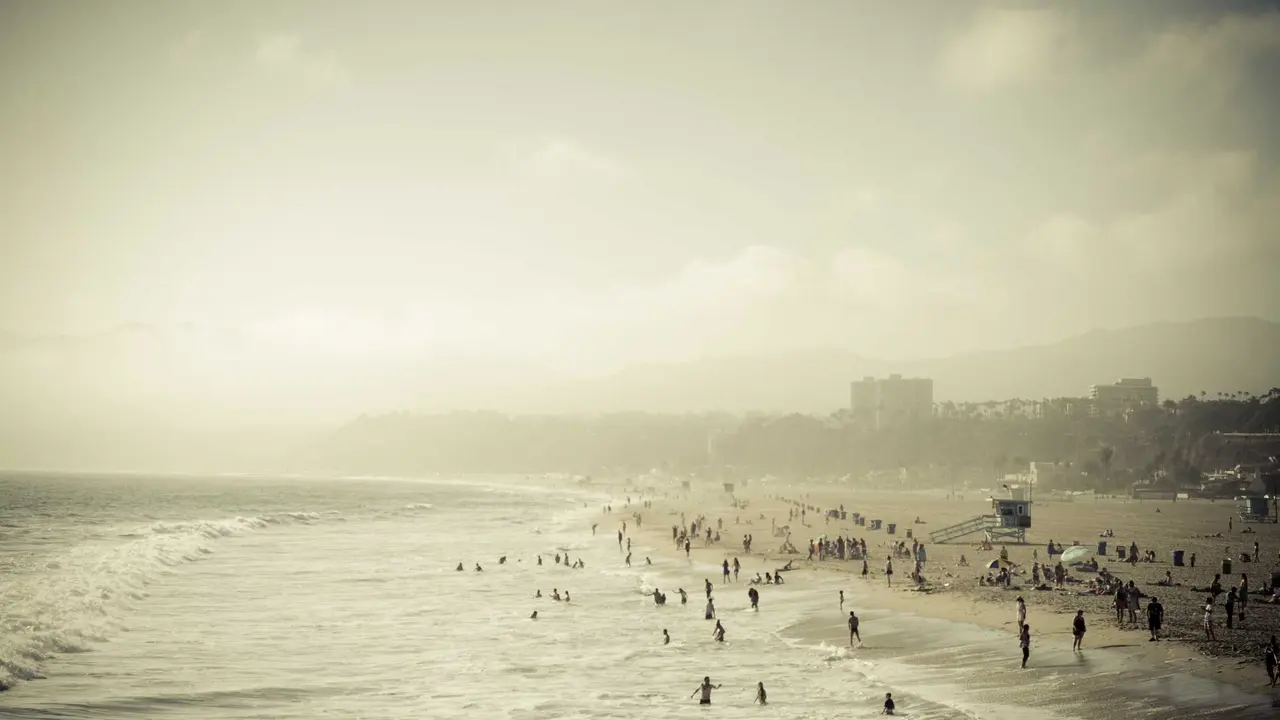
Estimates of the crowd size suggest a massive turnout. Some reports indicate one million people[1] attended. Other figures place the number as high as two million[1]. This gathering was one of the largest religious gatherings ever held[1] in the city.
Thousands filled the square and spilled into the surrounding streets. The scale of the event transformed the central district. The atmosphere felt celebratory and intense.
People watched as the popemobile[4] entered the area. The Pope waved at those gathered[2] during his arrival. Many in the crowd raised flags or cheered as he passed.
Plaza de Cibeles is a landmark for the city. It is a space usually reserved for official ceremonies and major football celebrations. Using this historic square for a Mass added weight to the event. The location symbolizes openness and accessibility[2] for all citizens.
The square is more than just a backdrop
Plaza de Cibeles serves as the beating heart of Madrid's civic life. This space usually hosts political rallies and massive football celebrations for Real Madrid fans. By bringing a Mass here, the Vatican moved the liturgy into a secular, public arena. This choice symbolizes openness and accessibility[2] for all citizens.
It was a deliberate shift in setting. The square is where the city's most public, non-religious moments happen. Using it for a religious service changed the very nature of the space for the day. It transformed a site of sport and politics into a site of prayer.
A message for a diverse crowd
The Pope used the pulpit to address themes of social justice. His words resonated with a crowd that spanned generations. You could see elderly devotees sitting alongside young families and students. This diversity reflected the broader, complex issues he often discusses.
His message arrived against a heavy political backdrop. The visit touched on the legacy of migrants and the ongoing impact of war. For many in the crowd, these were not just theological points. They were the lived realities of the modern world.
Managing the massive scale
Security and logistics required an enormous effort from local authorities. The square sits in a dense district filled with tourists and businesses. Managing a crowd that reached between one and two million people[1] was a massive undertaking. Officials had to secure the perimeter while keeping the central area accessible.
Road closures and tight security cordons were necessary. The sheer volume of people meant that movement through the city center was strictly controlled. It was a monumental task of urban management.
No one person could capture the whole scene. But the sight of the popemobile moving through the throngs was a shared moment. The scale of the gathering made it one of the largest religious gatherings ever held[1]. For a few hours, the usual rhythms of Madrid stopped. The city held its breath.
The impact on Madrid
Traffic congestion gripped central Madrid for several days. The massive gathering forced the city to reroute much of its daily movement. For many residents, the visit brought a mix of civic pride and intense frustration.
Local commuters faced immediate hurdles. Parking was banned across much of the city centre to accommodate the crowds. Some Metro lines were suspended[1] in key areas near the square. This disruption meant that even simple trips to work or school required much longer routes.
Nearby businesses felt the weight of the event. Shops and cafes near Plaza de Cibeles saw a sudden surge in foot traffic. However, many also had to close their doors entirely due to security cordons. The sudden shift in the district's rhythm was hard on those trying to maintain a normal workday.
Large-scale religious tourism creates a specific set of challenges. When a global figure visits a dense urban hub, the city must balance security with accessibility. This pattern is common in major cities hosting large summits or papal visits. The goal is always to keep daily life moving while managing the influx of visitors.
As the Mass ended, the Pope departed the square. The massive crowds began to disperse into the side streets. The immediate tension of the event began to fade. The city slowly returned to its usual pace.
Now, the fountain at Cibeles flows without interruption. The heavy security presence has vanished from the surrounding boulevards. The streets are clear, but the digital memory of the day remains.