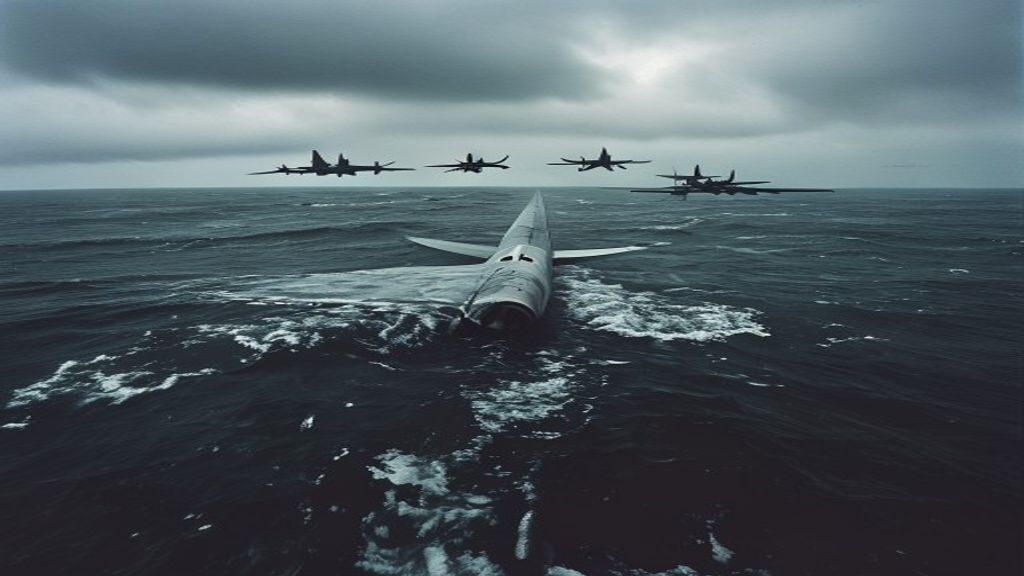
The close-range encounter left British surveillance crews facing immediate physical danger. This incident highlights the rising tension in the region as aerial confrontations become more frequent. While Moscow disputes the proximity of the jets, the RAF is now reviewing its safety protocols. The mission involved a highly specialised intelligence aircraft operating in international airspace. The sudden appearance of Su-35 fighters has raised urgent questions about the safety of routine patrols. As both nations trade conflicting accounts, the risk of a mid-air collision remains a central concern for NATO allies.
The close encounter
Two Russian fighter jets intercepted a British surveillance plane over the Black Sea. The encounter happened in international airspace during a routine mission. Moscow claimed the Russian aircraft came within 10 meters of the British plane. This proximity represents a sharp escalation in aerial confrontations between NATO and Russian forces. The incident highlights the growing tension in the region.
The British aircraft was an RAF Rivet Joint. It is an unarmed surveillance plane used for intelligence gathering. The Ministry of Defence confirmed the aircraft was conducting a routine international flight[1] at the time. The plane was operating within its rights in international airspace. Its mission was standard and expected.
Russian Su-35 fighters were scrambled to intercept the British aircraft. Two jets approached the Rivet Joint from different directions. They flew dangerously close to the British plane. The Ministry of Defence stated the Russian jets were repeatedly and dangerously intercepted[1] the aircraft. The maneuvers were aggressive and unprofessional.
The RAF confirmed the interception took place. They did not comment on the specific distance claimed by Russia. The British military emphasized the safety of their crew. The pilots followed standard procedures throughout the encounter. The aircraft maintained its course and altitude.
This incident marks a significant escalation in aerial confrontations. Russian harassment of NATO aircraft is considered a significant escalation risk[3]. The behavior challenges established norms of safe airspace conduct. It tests the resolve of NATO allies. The stakes are high for regional stability.
The Rivet Joint is a key asset for the RAF. It provides critical intelligence capabilities. The aircraft is the RAF's premier signals intelligence aircraft[2]. Its presence in the region is a statement of intent. It demonstrates the UK's commitment to monitoring Russian activity.
The interception happened multiple times during the mission. The Russian jets did not retreat after the first approach. They continued to shadow the British plane. This persistent behavior is concerning. It suggests a deliberate attempt to intimidate.
The Ministry of Defence denied any hostile intent from the Russian side. They claimed the jets were intercepting to prevent a potential collision. This explanation contradicts the aggressive nature of the maneuvers. The proximity of the jets suggests otherwise. The safety of the British crew was compromised.
The incident occurred in a tense geopolitical environment. The Black Sea is a hotspot for military activity. Both sides have a history of confrontations in the area. This latest encounter adds to the growing list of incidents. It underscores the fragility of the current situation.
The RAF crew remained professional throughout the encounter. They followed their training and protocols. The aircraft returned safely to base. The mission was completed as planned. The intelligence gathered was valuable.
The Russian claim of 10 meters is unverified. The RAF has not confirmed this specific figure. However, the description of the encounter as dangerous is consistent. The proximity of the jets is a serious concern. It poses a direct threat to flight safety.
The incident will likely be reviewed by both sides. The UK will assess the implications for future missions. Russia may use the encounter to justify its actions. The diplomatic fallout could be significant. The region remains on edge.
The Rivet Joint's role is critical for NATO. It provides eyes and ears in contested airspace. Its ability to operate freely is under threat. The interception sends a message to other allies. It warns against similar missions in the future.
The behavior of the Russian pilots was reckless. Flying within 10 meters of another aircraft is extremely dangerous. It risks a mid-air collision. Such maneuvers are banned under international aviation rules. They endanger lives and equipment.
The UK government will likely condemn the action. The incident violates norms of professional military conduct. It undermines trust and safety in the region. The response will be firm and clear. The UK will not back down.
The RAF will continue its operations in the region. The mission profile may be adjusted for safety. The intelligence value of the Rivet Joint is too high to ignore. The aircraft will return to the skies. The mission continues despite the threats.
The incident highlights the risks of modern aerial warfare. Technology has made aircraft faster and more capable. But human error and aggression remain constant threats. The pilots on both sides face real danger. The stakes have never been higher.
The Black Sea remains a flashpoint for conflict. The presence of NATO aircraft is a challenge to Russia. The interception is a response to that challenge. It is a test of wills. The outcome will shape future relations.
The RAF crew deserves credit for their professionalism. They handled a dangerous situation with skill. Their training kept them safe. The mission was a success. The intelligence gathered will be used.
The incident will be studied by military analysts. It provides insight into Russian tactics. The behavior of the jets is revealing. It shows a willingness to take risks. The implications are far-reaching.
The UK will likely raise the issue with NATO. The alliance will need to respond. A coordinated stance is essential. The incident affects all members. It is a collective security issue.
The future of aerial operations in the region is uncertain. The risk of escalation is real. Both sides must exercise restraint. The stakes are too high for miscalculation. The world watches closely.
The Rivet Joint is a symbol of British resolve. Its presence in the Black Sea is a statement. It shows the UK is willing to face challenges. The mission continues. The aircraft flies on.
The incident is a reminder of the dangers of conflict. The pilots on both sides are human. They face real risks every day. The stakes are life and death. The situation is volatile.
The UK will not be deterred. The RAF will continue its missions. The intelligence gathered is vital. The aircraft will return. The mission goes on.
The incident will be remembered. It marks a turning point in the region. The behavior of the Russian jets is unacceptable. The response will be firm. The UK stands tall.
The future is uncertain. The risks are high. The stakes are real. The pilots are brave. The mission continues.
Why this matters
The aircraft at the center of this incident is not a fighter jet. It is an unarmed surveillance platform. The Rivet Joint serves as the Royal Air Force's premier signals intelligence asset. Its mission is to gather electronic data. It does not carry weapons. This makes the interception particularly alarming. An unarmed plane should not face such aggressive tactics.
The Ministry of Defence confirmed the flight was routine. The aircraft was conducting standard operations in international airspace. The jets intercepted repeatedly[1] during the mission. This pattern suggests a deliberate strategy. It was not a one-off error. The Russian pilots maintained close proximity for an extended period. Such behavior increases the risk of accidental collision.
Pilot safety is the primary concern here. Flying this close to another aircraft is dangerous. The margin for error is virtually non-existent. A sudden maneuver by either pilot could cause a crash. The physical integrity of the aircraft is also at risk. Wingtip collisions are a real possibility. These incidents pose a direct threat to human life. The stakes are higher than diplomatic posturing.
The UK government condemned the action strongly. Officials called the maneuvers dangerous and unprofessional. The language used was sharp and clear. This reflects deep concern about Russian tactics. The condemnation signals a refusal to accept such behavior. It sets a firm boundary for future interactions. The diplomatic response was immediate and forceful. No ambiguity was left in the message.
NATO allies are watching the situation closely. Tensions in the region remain high. The alliance monitors these incidents for broader patterns. Harassment is seen as an escalation risk[3]. This incident fits into a larger trend. Russian forces are testing boundaries more frequently. The Black Sea has become a flashpoint. Allies are coordinating their response to these provocations.
Historical context shows a clear shift. Previous intercepts were less aggressive. Russian pilots kept a safer distance in the past. This incident marks a departure from earlier norms. The boldness of the maneuver is notable. It suggests a change in Russian military doctrine. The willingness to take risks has increased. This trend worries defense analysts across Europe.
The Rivet Joint's role is critical to understanding the threat. It gathers intelligence on enemy movements. The plane collects vital data[2] over contested areas. This information supports NATO operations. It helps allies understand Russian capabilities. The targeting of this specific aircraft is significant. It aims to disrupt intelligence gathering. The message is clear and direct.
The risk of miscalculation is real. Accidents can happen even without hostile intent. A misjudged turn could lead to disaster. The consequences would be severe. Escalation could follow an accidental collision. Both sides would face pressure to respond. The situation requires careful management. Diplomacy must work to prevent further incidents.
The broader implications are serious. This incident affects regional stability. It challenges the norms of aerial safety. International law protects routine flights. These maneuvers violate those principles. The precedent set here matters. Other nations may feel emboldened to act similarly. The rules of engagement are being tested. The outcome will shape future interactions.
The RAF continues its missions despite the risk. Pilots are trained to handle such threats. Protocols exist to manage close encounters. However, the frequency of these events is rising. The strain on crews is evident. The psychological toll is significant. Maintaining operational readiness is challenging. The human cost of these tensions is high.
The diplomatic fallout will continue. The UK will likely raise the issue formally. Bilateral talks may address the incident. NATO forums could discuss the broader trend. The response will be measured but firm. The goal is to deter future aggression. The message must be clear. Safety in the skies is non-negotiable.
The pattern of behavior is concerning. Russian forces are becoming more assertive. This incident is part of a larger strategy. It aims to intimidate and disrupt. The tactics are calculated and deliberate. The risks are accepted by Moscow. The consequences are shared by all. The world watches this unfolding drama. The next steps are critical.
The Royal Air Force will not pull back from the Black Sea. Pilots will continue their routine flights despite the recent danger. Commanders are expected to review safety protocols immediately. The goal is to maintain presence without inviting further conflict. This balance is difficult to strike in hostile airspace.
Diplomatic channels are now open for a formal complaint. The UK government will raise the issue in bilateral talks. NATO forums provide another avenue for coordinated pressure. Allies are watching closely for any repeat offenses. A unified response strengthens the collective defense posture. Isolated incidents are easier to dismiss than coordinated harassment.
Analysts warn that these confrontations could become routine. Russia appears to be testing NATO resolve in the region. The risk of escalation is real[3] according to experts. Small miscalculations can lead to large accidents. The margin for error is shrinking with every flight. Tensions remain high across the entire theater.
The Rivet Joint mission serves a specific intelligence purpose. It gathers critical data on Russian military movements. Stopping these flights would cede an information advantage. The UK Ministry of Defence has confirmed the aircraft's role. It is the premier signals intelligence platform in the fleet. The mission remains a priority[2] for British defense planners.
Future risks depend on how both sides manage proximity. Pilots must remain vigilant during every intercept. Communication channels between cockpits and command centers are vital. A single misread signal could trigger a wider crisis. The RAF is preparing for more aggressive maneuvers. Training exercises will likely reflect this new reality.
The next few weeks will define the new normal. If Russia repeats these tactics, the response must be firm. Diplomacy alone may not deter further provocations. Military readiness must match diplomatic efforts. The world is watching to see who blinks first. Stability in the region hangs in the balance.
A formal statement from the UK Ministry of Defence is expected soon. It will likely outline the official position on the incident. The timing of the release could signal urgency. Details about pilot training and aircraft safety may be included. The public deserves clarity on the risks involved. Transparency helps maintain trust in defense operations.
The Su-35 fighters involved showed aggressive intent. Their maneuvers were designed to intimidate the British crew. The interception was repeated[1] during the same flight. This pattern suggests a deliberate strategy by Moscow. Random encounters are unlikely given the precision involved. The message sent was clear and calculated.
Long-term consequences could reshape regional security dynamics. NATO may increase its air policing efforts in the area. More aircraft could be deployed to monitor Russian activity. The cost of this escalation falls on all allies. Resources must be allocated carefully to avoid overextension. Strategic patience is required to outlast provocations.
Pilot welfare remains a central concern for the RAF. The stress of close encounters takes a toll. Support systems are being reviewed to ensure readiness. Mental health resources are available for affected crews. The human element cannot be ignored in strategic planning. Bravery does not mean recklessness in the cockpit.
The Black Sea remains a flashpoint for international tension. Historical grievances fuel current military posturing. Economic interests also play a role in the standoff. Energy routes pass through these contested waters. Control of the airspace influences broader geopolitical leverage. The stakes extend far beyond a single flight.
International law provides a framework for resolving disputes. Freedom of navigation is a recognized right. Violations must be documented and challenged publicly. Evidence from flight recorders will be crucial. The data proves the proximity and intent of the jets. Legal arguments support the RAF's presence in the area.
The coming days will test diplomatic resilience. Statements from London and Moscow will be closely watched. Any escalation in rhetoric could harden positions. De-escalation requires mutual willingness to step back. Trust is currently at a historic low. Rebuilding it will take more than one incident.
Defense analysts emphasize the need for clear red lines. Ambiguity invites further testing of boundaries. NATO must communicate its limits effectively. Deterrence relies on credible threats of response. The alliance has tools to enforce its airspace. These tools are not yet fully deployed.
The Rivet Joint crew returned safely despite the danger. Their professionalism prevented a potential disaster. Training and experience made the difference. The RAF values its personnel above all else. Their safety guides every operational decision. The mission continues because the intelligence is vital.
Future flights will likely face similar challenges. Russian pilots may attempt to replicate their tactics. The RAF must adapt its procedures accordingly. New technologies could help monitor hostile aircraft better. Early warning systems are being upgraded for this purpose. Innovation drives security in an evolving threat environment.
The global community has a stake in regional stability. Conflict in the Black Sea affects trade and energy. Sanctions and diplomatic pressure are ongoing tools. The international response must be coordinated and swift. Isolation of aggressive actors helps deter future actions. Unity is the strongest defense against provocation.
The UK Ministry of Defence statement will clarify next steps. It may include details on future deployment plans. The public will look for reassurance on safety measures. Official channels are the only source of truth. Speculation adds noise to an already tense situation. Facts matter more than fear in this crisis.
The incident highlights the fragility of peace. Small actions can have large repercussions. Vigilance is required from all parties involved. The RAF remains committed to its duties. The mission goes on regardless of the risks. The sky is not a safe place right now.
Diplomats are working behind the scenes to cool tensions. Direct talks may prevent further confrontations. The goal is to return to predictable patterns. Routine flights should not be treated as threats. Misunderstandings can be corrected through communication. Silence only breeds suspicion and mistrust.
The coming week is critical for de-escalation. A formal response sets the tone for future interactions. The UK must balance firmness with restraint. Overreaction could validate Russian propaganda claims. Underreaction might invite further aggression. The path forward requires careful navigation.
Pilots will brief on new procedures before their next sortie. Safety checks will be more rigorous than before.
The UK Ministry of Defence is expected to release a formal statement soon. This report will likely outline the official position on the incident and any changes to future flight protocols. Analysts say the response will set the tone for aerial operations in the Black Sea.