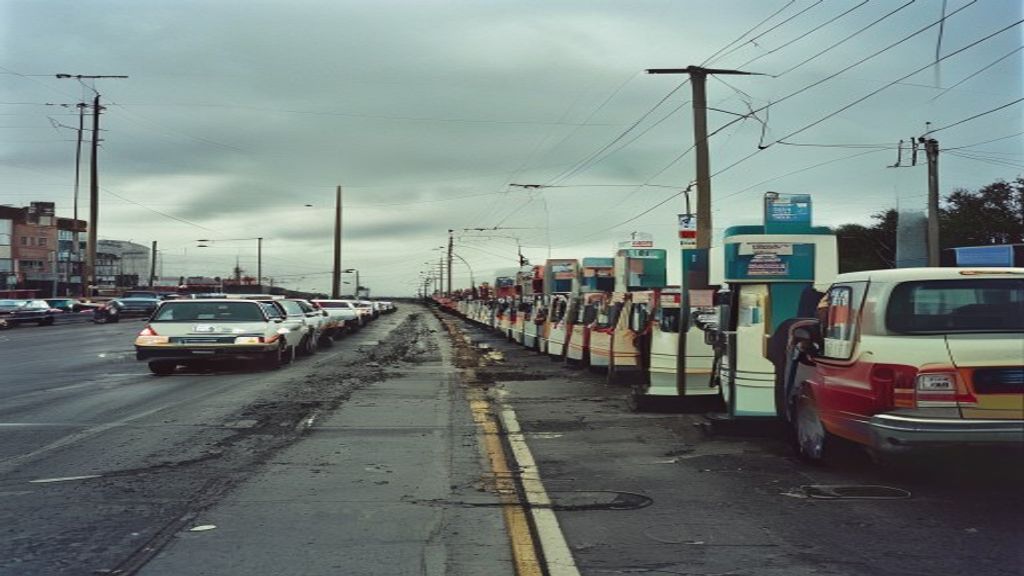
This legal escalation arrives as fuel pumps across Cuba run dry. The shortage threatens to paralyze the island's transport and supply chains. Havana officials claim Washington's sanctions are to blame for the empty stations. The dispute highlights a growing rift between the two nations. As legal battles intensify in federal court, the energy crisis continues to tighten its grip on daily life in the Caribbean.
The US Department of Justice formally charged former Cuban leader Raúl Castro with murder. The move marks a sharp escalation in Washington's legal strategy against Havana. It also coincides with a deepening energy crisis on the island. Cubans are currently grappling with severe fuel shortages and daily blackouts that disrupt basic life[1]. The timing is not accidental. It signals a hardening of US policy toward the Caribbean nation.
The indictment alleges corruption and human rights abuses during Castro's tenure. Prosecutors specifically cite the death of a dissident as evidence. This legal action targets a man who once held absolute power. It represents a significant shift in how Washington approaches historical accountability. The charges are not just symbolic. They carry serious legal weight in federal court.
Havana faces its most severe fuel crisis in decades. Long lines stretch around empty gas stations in the capital. Residents report waiting for hours without success. Maria Gonzalez, 45, stood in line for six hours yesterday. She hoped to fill her car with diesel. The pump remained dry the entire time. She walked home in the heat. Her frustration mirrors that of thousands of others.
The crisis threatens basic economic stability for ordinary Cubans. Food prices rise as transport costs soar. Small businesses struggle to keep their doors open. The UN warned of a potential humanitarian collapse in the region due to these conditions[2]. This warning followed Washington's attempt to block oil supplies. The geopolitical pressure is mounting on all sides. The Caribbean is facing major upheaval as tensions rise across the region[3].
Cuba is experiencing its biggest economic crisis since independence in 1898. The situation has worsened over recent months. Aging infrastructure fails to meet basic demand. Blackouts are now a recurring issue for residents. These outages are driven by economic constraints and lack of investment. The power grid cannot handle the strain. Daily life has become a series of interruptions.
Residents face long lines for gas every single day. Many rely on alternative fuels like alcohol to survive. Public transportation has seen significant disruptions across the island. Food supply chains are breaking down in rural areas. The crisis threatens to deepen poverty for vulnerable families. Inflation on essential goods is rising at an alarming rate. Tourism revenue has dropped as visitors seek safer destinations.
The stakes are high for both Washington and Havana. The US aims to hold former leaders accountable for past actions. Cuba seeks to maintain its sovereignty amid external pressure. Ordinary citizens bear the brunt of this geopolitical clash. They have no control over the political decisions made abroad. Their daily survival depends on access to basic resources. Fuel is one of those critical resources.
Maria Gonzalez's story is not unique across the island. Thousands of residents face similar challenges each morning. They wake up to uncertainty about their day. Will there be power? Will there be fuel? Will there be food? These questions dominate daily conversations in Havana. The answer is often no. The uncertainty creates a sense of helplessness among the population.
The legal charges against Castro add another layer of complexity. They highlight the personal nature of the conflict. Washington views Castro as a symbol of authoritarian rule. Havana sees the charges as political persecution. This divide makes diplomatic solutions difficult to achieve. Trust between the two nations is at an all-time low. Cooperation on humanitarian issues is unlikely in the near term.
The fuel shortage affects every sector of the economy. Hospitals struggle to keep equipment running during blackouts. Schools close when generators run out of fuel. Markets operate on reduced hours due to transport issues. The informal economy grows as people seek alternatives. Some residents trade goods directly to bypass broken systems. This adaptation shows resilience but also desperation.
US policy toward Cuba has shifted under the current administration. Democrats in Congress have warned against this approach. They argue it fails to improve conditions for Cubans. A letter from the House Foreign Affairs Committee criticized the strategy as counterproductive[4]. The debate within Washington reflects broader disagreements. Is pressure effective or harmful? The evidence remains mixed.
The humanitarian impact of the crisis cannot be ignored. Families struggle to afford basic necessities. Children miss school due to power outages. Elderly residents face health risks from heat and cold. The social fabric of Cuban society is under strain. Community bonds are tested by shared hardship. Yet people continue to support each other. Mutual aid networks emerge in neighborhoods across the island.
The charges against Raúl Castro will take years to resolve. Legal proceedings move slowly in complex international cases. Castro's age and health may complicate the trial. His absence from Cuba adds logistical challenges for prosecutors. The case will likely become a political symbol. It may influence future US-Cuba relations regardless of the verdict. The legal battle is just beginning.
Meanwhile, the fuel crisis shows no signs of easing. Refineries operate at reduced capacity due to maintenance issues. Imports remain limited by sanctions and logistical barriers. Domestic production cannot meet rising demand. The gap between supply and need continues to widen. This imbalance drives up prices for consumers. The cost of living rises faster than wages. Economic inequality deepens as a result.
International observers watch the situation closely. European nations express concern over the humanitarian toll. They call for dialogue rather than confrontation. Latin American countries urge respect for sovereignty. The global community faces a dilemma. How to balance human rights with non-interference? There are no easy answers. The complexity of the situation defies simple solutions.
The next few weeks will be critical for Cuba. Fuel reserves are running low in key regions. Rationing measures may tighten further if supplies dwindle. The government must decide how to allocate scarce resources. Prioritization will determine who gets access to fuel. Essential services will likely receive priority over private use. This decision will impact millions of daily commutes.
Washington's legal strategy aims to send a message. It seeks to deter future abuses by holding leaders accountable. The charges against Castro set a precedent for others. They signal that impunity is not guaranteed. This approach carries risks as well. It may harden resistance in Havana.
Havana blames Washington for the shortage
Havana points the finger at Washington for the empty pumps. Officials argue that US sanctions strangle the island's ability to import basic supplies. They claim the new murder charges against Raúl Castro are a political tool. The goal is to destabilize the government further. This narrative dominates state media coverage across the country. It frames the crisis as an external attack rather than internal failure.
The reality on the ground tells a different story. Independent analysts point to years of mismanagement. Cuba faces its biggest economic crisis since independence. The lack of foreign investment has crippled infrastructure. Aging refineries cannot process the limited fuel that does arrive. This structural decay predates the current diplomatic row. It remains the primary driver of the shortage.
The United Nations has sounded the alarm. A recent report warned of potential humanitarian collapse in Cuba[2]. The warning followed Washington's attempt to block oil supplies. This move tightened the noose around the island's energy reserves. The UN emphasizes that sanctions alone do not explain the depth of the crisis. Internal policy failures amplify the impact of external pressure. The combination creates a perfect storm for daily survival.
The economic mechanism is simple and brutal. Fuel shortages halt transportation networks across the island. Trucks carrying food from rural farms cannot reach urban markets. This disrupts supply chains for essential goods. Inflation on basic items rises as scarcity increases. The crisis threatens to deepen poverty and reduce tourism revenue[1]. These sectors rely on reliable logistics and stable energy. When the trucks stop, the economy stalls.
Hospitals feel the impact most acutely. A hospital administrator in Havana struggles to secure diesel. He needs fuel to run generators for life-support machines. The blackouts are a recurring issue driven by aging infrastructure[1]. He spends hours on the phone with suppliers. Most have nothing to offer. The risk to patient safety grows with every hour of darkness. This is where the abstract crisis becomes a human tragedy.
Residents adapt with desperate ingenuity. They face long lines for gas every day. Many turn to alternative fuels like alcohol for cooking. Public transportation grinds to a near halt. People walk miles to work or school. The disruption affects every aspect of daily life. These coping mechanisms are temporary fixes. They do not solve the underlying supply deficit. The strain on ordinary families is immense and growing.
The political narrative serves a clear purpose. The timing of the charges acts as a diplomatic lever. Havana uses the fuel crisis to rally domestic support. It portrays the US as an aggressor. This deflects attention from internal governance issues. The state propaganda machine works overtime to connect the dots. It links the murder charges directly to the empty tanks. The message is consistent and relentless.
Washington denies any intention to harm civilians. The Justice Department focuses on accountability for past abuses. The charges target specific individuals for alleged crimes. They do not directly control fuel shipments. However, the perception of pressure matters. It influences how global partners view the island. The geopolitical upheaval in the Caribbean intensifies. Europe watches closely as tensions rise.
Democrats in Congress have pushed back. A letter from the House Foreign Affairs Committee warned against the policy. They argue that the approach fails to achieve its goals. The letter highlights the humanitarian cost of the strategy. It calls for a more nuanced engagement. This internal US debate adds another layer to the crisis. It shows that the policy is not universally supported.
The link between legal action and propaganda is tight. Havana seizes every opportunity to criticize Washington. The murder charges provide fresh ammunition. State media amplifies the connection between the two events. It frames the shortage as a direct result of US hostility. This narrative resonates with a population facing hardship. It reinforces the idea of an external enemy.
The fuel deficit exacerbates existing vulnerabilities. The island's energy grid is fragile. It cannot withstand prolonged periods of low supply. Blackouts become more frequent and longer. This affects businesses and homes alike. The economic damage compounds over time. Recovery becomes harder with each passing month. The crisis feeds on itself in a vicious cycle.
International observers note the complexity. The situation involves legal, economic, and humanitarian factors. No single solution exists. The UN warning underscores the urgency. It calls for immediate action to prevent further collapse. The focus remains on protecting civilian populations. The political blame game does little to help. It only deepens the divisions.
The human cost remains the central concern. Families struggle to feed their children. Hospitals fight to keep equipment running. Workers lose income as transport fails. The crisis erodes the social fabric. Trust in institutions declines. The search for stability becomes paramount. The path forward is unclear and fraught with challenges. The stakes have never been higher for the island.
What happens next for the island
The legal clock is moving slowly. Federal prosecutors in Washington have filed the murder charges against Raúl Castro, but a trial is likely years away. The former leader is in his eighties and his health is declining. That reality creates a procedural bottleneck. The court must decide whether to proceed with a complex racketeering case or wait for medical evaluations. Legal experts say the process will drag on. Castro will not stand trial next month. The justice system moves at its own pace. The political pressure remains high regardless of the timeline.
Fuel rationing will tighten in the coming weeks. The state-run energy ministry has not announced new supply contracts. Domestic reserves are running low. Small businesses feel the pinch first. Private transport operators are cutting routes to save diesel. The informal economy is already strained. Workers rely on those buses to reach their jobs. When the fuel runs out, the work stops. The ripple effect hits grocery stores and clinics. Supply chains fracture under the weight of scarcity. Daily life becomes a negotiation for basic resources.
The uncertainty is paralyzing for investors. No clear resolution is in sight for the energy grid. Aging power plants continue to fail. Blackouts are a recurring issue driven by aging infrastructure and economic constraints . The government lacks the foreign currency to buy spare parts. International lenders are hesitant to engage. The risk profile of the island has worsened. Capital flight accelerates as confidence erodes. The economic spiral deepens without a safety net. The crisis threatens to deepen poverty and reduce tourism revenue . The island is facing its biggest economic crisis since independence . The structural damage is compounding daily.
International observers are watching closely. The United Nations warned of a potential humanitarian collapse in Cuba . That warning followed Washington's attempt to block oil supplies. European nations are divided on the response. Some call for dialogue. Others support the pressure campaign. The Caribbean region is facing major geopolitical upheaval . Neighbors fear the instability will spill over borders. Refugee flows could increase if conditions worsen. The diplomatic isolation of Havana is growing. The charges against Castro are a symbolic blow. They do not fix the fuel pumps. The humanitarian cost falls on ordinary citizens.
Democrats in the US Congress are pushing back. A letter from the House Foreign Affairs Committee warns against the current policy. They argue the approach is failing. The administration ignores the criticism. The hardline stance remains intact. The political battle in Washington mirrors the crisis in Havana. Both sides dig in. Compromise is not on the table. The next few weeks will test the resilience of the informal economy. Private vendors will try to keep goods moving. They operate in the gray zones. The state cannot control every corner of the market. This adaptability is the island's only buffer. It may not be enough to hold.
The durability of the US legal strategy is unproven. History offers few precedents for this type of prosecution. Exiled leaders rarely face justice in foreign courts. The symbolic value outweighs the practical outcome. Washington wants to send a message. The message is clear. The cost is high. The fuel lines grow longer each day. Residents face long lines for gas and significant disruptions to public transportation . The human toll is measurable. The political gains are abstract. The balance sheet is negative for the population. The next court hearing is not scheduled yet. The fuel reserves are projected to last only a few more weeks. The clock is ticking on both fronts. The island waits for a break that may never come.
The fuel reserves are projected to last only a few more weeks. As the legal proceedings against Castro begin to move through the US justice system, the survival of the Cuban economy remains tied to the next shipment of oil.