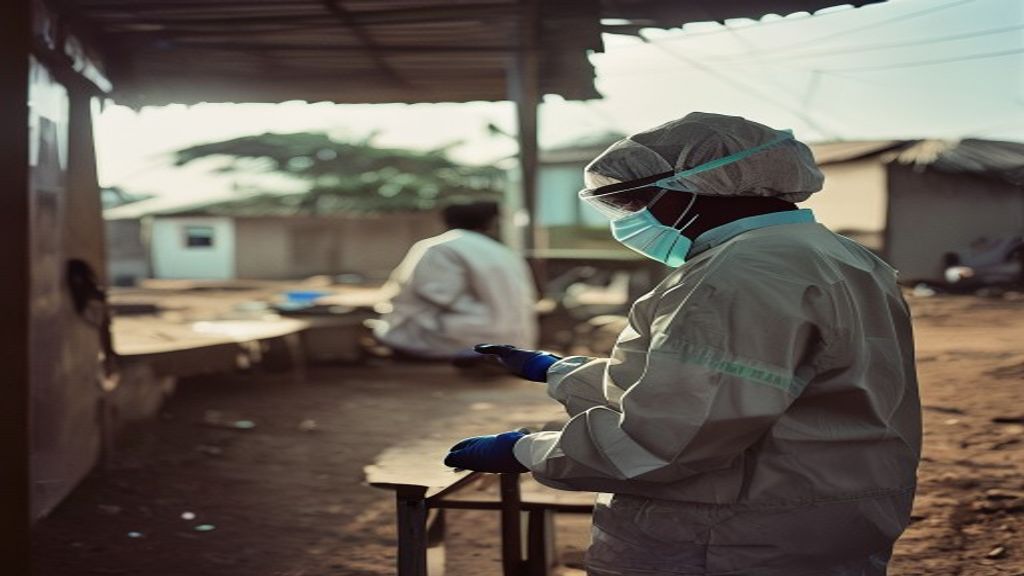
Six Australian passengers will land in Western Australia this Friday. They are returning home from the Netherlands following a Hantavirus outbreak at sea. The travellers will fly home wearing full protective suits, gloves, and masks to prevent any risk of transmission.
Health officials are already preparing for their arrival in the state. The protocols ensure the group moves directly to a secure medical facility without public contact. This high-security transit follows a period of isolation after the outbreak on the MV Hondius.
While the passengers have all tested negative for the virus, the strict measures aim to protect the wider community. The long-haul flight from Europe will be subject to a rigorous decontamination plan once the group reaches Australian soil.
The flight from the Netherlands begins
Six Australian passengers will land in Western Australia this Friday. They are returning home after a period of isolation following a Hantavirus outbreak on the MV Hondius[3].
Health minister Mark Butler confirmed the status of the group. Every traveller will wear full personal protective equipment during the long-haul flight.
This controlled transit aims to move potentially exposed individuals without risking the wider public. The group is currently in the Netherlands.
Safety remains the priority.
Officials are using the flight as a way to manage the risk of transmission. The passengers have all tested negative for the virus. However, the strict protocols are designed to prevent any spread during the journey from Europe to Australia.
Safety protocols protect the cabin
Each traveller will wear protective suits, gloves, and masks during the flight. These physical barriers aim to stop any accidental contact with surfaces. The gear provides a layer of security for the passengers and the crew.
Health officials and airlines have coordinated a specific decontamination plan for the aircraft. This process will clean the cabin thoroughly after the passengers land. The goal is to leave no trace of potential exposure behind.
No one will be left to chance.
Physical barriers will also help mitigate the risk of transmission to other passengers. The plan relies on strict isolation within the cabin space. This approach keeps the wider public safe from any contact with the group.
Health authorities are currently monitoring the number of people in quarantine. Mark Butler confirmed the status of the six passengers who have tested negative. Officials continue to track the situation closely.
The outbreak started at sea
Everything changed when the MV Hondius[3] encountered the virus. The outbreak emerged on the cruise vessel during its voyage. It quickly became a crisis that required immediate action.
Medical teams were deployed to the ship to manage the sudden outbreak. They worked to contain the spread among the crew and passengers. The virus poses a direct risk to respiratory health.
Isolation remains the primary defense against the pathogen. Because the virus affects the lungs, strict protocols were necessary to prevent wider transmission. The sudden nature of the outbreak forced the ship to divert its course.
This movement was essential to protect the public. The cluster of cases has already spread across multiple countries[2]. Authorities are now monitoring the remaining crew members closely.
Western Australia prepares for arrival
With those details established, attention moves to Western Australia. Health officials are setting up a dedicated arrival zone at the airport. The state is coordinating with Dutch authorities to ensure seamless handovers.
No cases of the virus have been reported within the Western Australian mainland yet. Testing protocols will be applied to every passenger immediately upon landing.
Six Australian passengers who have tested negative for hantavirus will land in Western Australia on Friday. The cruise ship involved in the hantavirus outbreak is the MV Hondius.
The state is coordinating with Dutch authorities to ensure seamless handovers. The cruise ship involved in the hantavirus outbreak is the MV Hondius.
What happens after landing
Passengers will move directly from the aircraft to a secure medical facility. This transition ensures no contact with the general public during the arrival process. The group will remain under strict supervision to prevent any potential spread of the virus.
Every traveler must undergo a period of mandatory observation. Health officials will monitor the group for any signs of respiratory distress or fever. This protocol follows the recent confirmation that six Australian passengers have tested negative for the virus.
Authorities are also tracking the status of the remaining crew members. The health of those still on the MV Hondius[3] remains a priority for international health agencies. Officials are working to ensure the outbreak does not expand further across borders.
No new information has been released regarding the next steps for the ship. A formal update from health officials is expected within 48 hours.