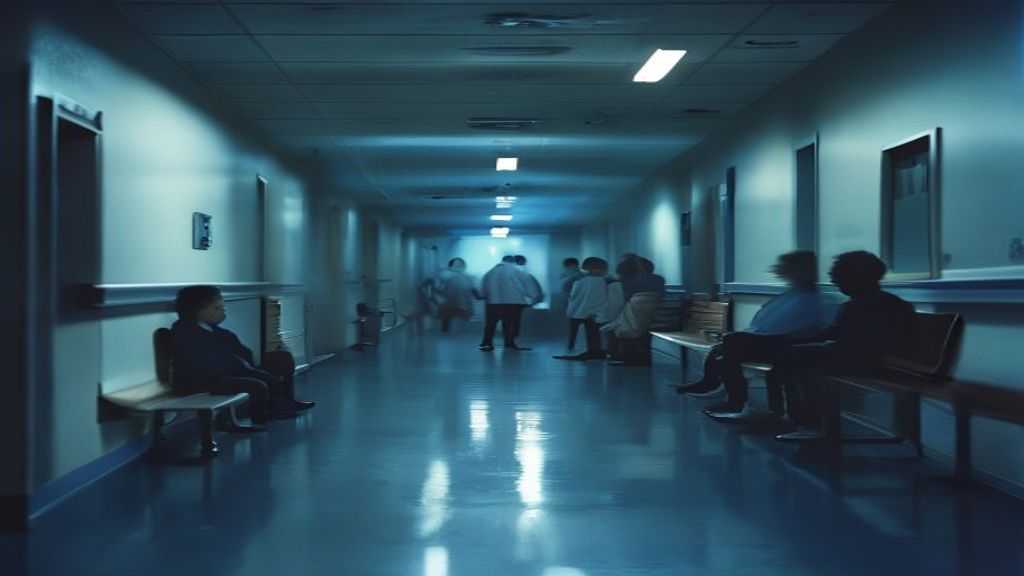
Children in England are waiting up to three days in A&E for specialist beds. This delay occurs during acute mental health crises, leaving under-18s at immediate risk.
Nursing unions have issued a formal condemnation of these delays. New data also shows a widening gap in treatment times based on where a child lives. The shortage of beds is creating a dangerous bottleneck in emergency departments across the country.
The three-day wait
Children in England are waiting up to three days in A&E[1] for a specialist bed. This delay occurs during acute mental health crises. The wait leaves under-18s at immediate risk of self-harm or further escalation.
No child should wait this long. The current system fails to provide rapid intervention when patients are at their most vulnerable.
Thousands of young patients across the country are caught in this cycle. The shortage of specialist beds stems from high demand and insufficient funding for community care. Delays in transferring patients from emergency departments to inpatient units also contribute to the backlog.
Paediatricians are now expanding their role[3] to help. They are upskilling to treat young people experiencing these crises directly. This shift follows an unprecedented rise in demand for mental health services.
NHS England monitors these pressures to understand the scale of the crisis. However, the pressure on the system remains intense. The lack of downstream placement means A&E departments often become makeshift holding areas.
A system under pressure
Hospital wards are at breaking point. The shortage of specialist beds stems from high demand and insufficient funding[1] for community care. This lack of resources prevents patients from moving out of emergency departments.
Staffing levels are not the primary issue. Instead, the crisis is driven by delays in transferring patients[1] to inpatient units. This bottleneck forces A&E departments to act as makeshift holding areas for psychiatric patients.
It is a dangerous cycle.
As patients remain stuck in corridors, the financial cost of prolonged emergency stays continues to rise. The system cannot find the downstream placements needed to clear the backlog. This pressure forces paediatricians to expand their roles to treat those in crisis.
These doctors are upskilling to manage mental health needs[3]. They are stepping in where specialist units fail. The workload is growing alongside the number of children waiting for a bed.
Unions condemn the delays
Against that backdrop, the next thread concerns Unions condemn the delays. Reports point to Nursing unions have issued a formal condemnation of the current waiting times. Read alongside the wider context, the significance becomes clearer.
A defining feature of the situation is Staff report high levels of distress when unable to move patients to specialist care. How it lands depends on what other parties choose to do next. Sources describe The union argues that the current model is unsafe for both children and clinicians. That observation sits at the centre of how this story is being interpreted. Documentation indicates Calls for immediate government intervention in mental health funding are increasing. Whether it holds steady or shifts will inform what follows. Among the verified facts, Children in mental health crisis in England are waiting up to three days in A&E for a specialist bed. One of the documented points reads: Nurses' union criticises the situation as a 'catastrophic system-wide failure' in the NHS.
Observers from adjacent sectors have begun to weigh in. There is little doubt the situation will move further as new information surfaces.
The next part of this piece looks at the practical implications.
A defining feature of the situation is Calls for immediate government intervention in mental health funding are increasing. Public confirmation indicates Young people from more deprived neighbourhoods have to wait up to 15 minutes longer for accident and emergency (A&E) treatment than their more advantaged peers with similar healthcare needs.
It has been documented that Nursing unions have issued a formal condemnation of the current waiting times. Among the verified facts, Paediatricians are upskilling and expanding their role to care for and treat young patients experiencing mental health crises. For many of those involved, the trajectory matters as much as the immediate facts.
Reports point to Staff report high levels of distress when unable to move patients to specialist care. One of the documented points reads: Families can contact Child and Adolescent Mental Health Services (CAMHS) directly or seek urgent advice via NHS 111, though access varies by region. The reaction so far has been mixed, with several stakeholders still gathering information.
A defining feature of the situation is The union argues that the current model is unsafe for both children and clinicians. On the record, Maximum wait time for children: Up to three days. Comparable situations in recent memory offer some signposts for what to expect.
It has been documented that Calls for immediate government intervention in mental health funding are increasing. According to the available material, Standard target for adults: 4 hours. The longer arc of this story will be written over the coming days and weeks.
Inequality in the waiting room
Young people from more deprived neighbourhoods have to wait 15 minutes longer for A&E treatment than their more advantaged peers. This gap is widening.
Social deprivation correlates with longer stays in emergency departments. Families without access to private therapeutic alternatives cannot bypass the system's bottlenecks.
Access to care varies by region. Some families can contact CAMHS directly[4] or seek urgent advice via NHS 111. Others are left waiting in hospital corridors.
No one is spared. The crisis affects thousands of young patients across the country. The shortage of specialist beds is driven by a combination of widespread demand, insufficient funding for community care, and delays in transferring patients from A&E to inpatient units.
What happens next
The Department of Health will review crisis protocols next month. This assessment follows growing pressure on emergency departments across England. Officials aim to address the delays that leave young patients in A&E for up to 72 hours.
Parliament is currently debating new funding for community-based crisis teams. Lawmakers are weighing whether increased investment can reduce the reliance on hospital wards. The decision will determine if more support reaches families before they reach a breaking point.
Patient advocacy groups are also preparing a formal petition. They intend to present their demands at the upcoming health summit. The group wants to ensure that the voices of vulnerable teenagers are heard by policymakers.
Pressure is mounting.