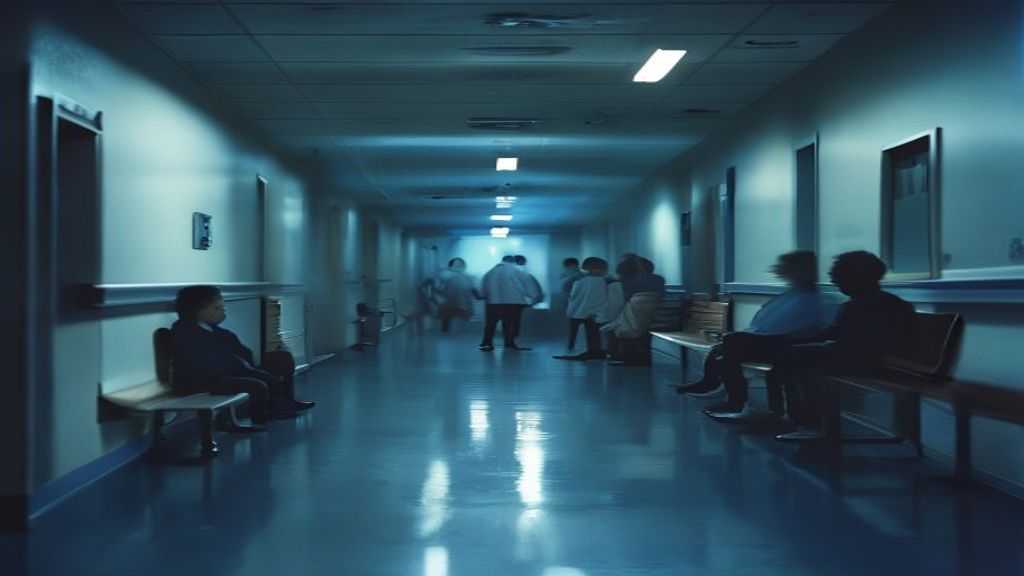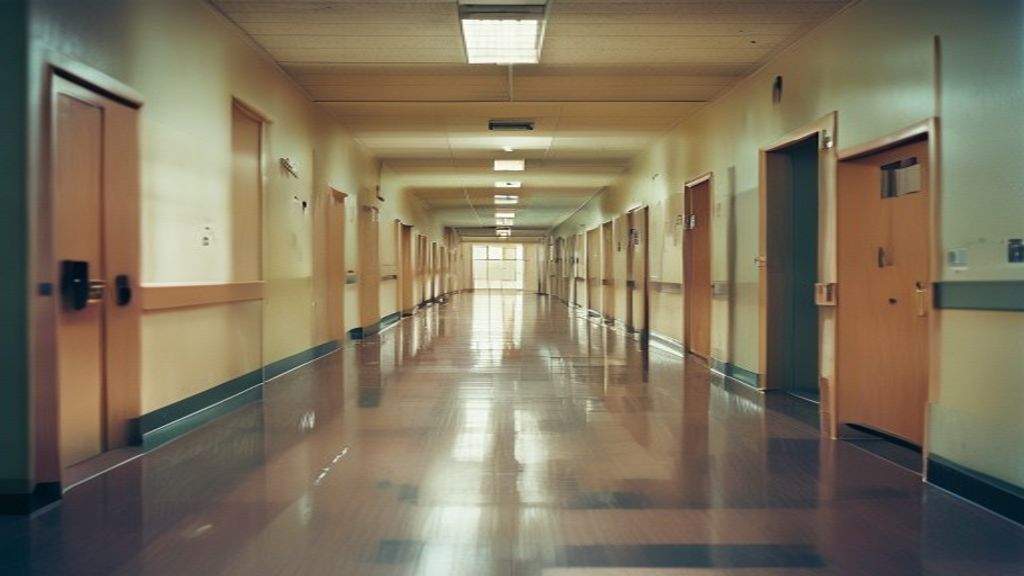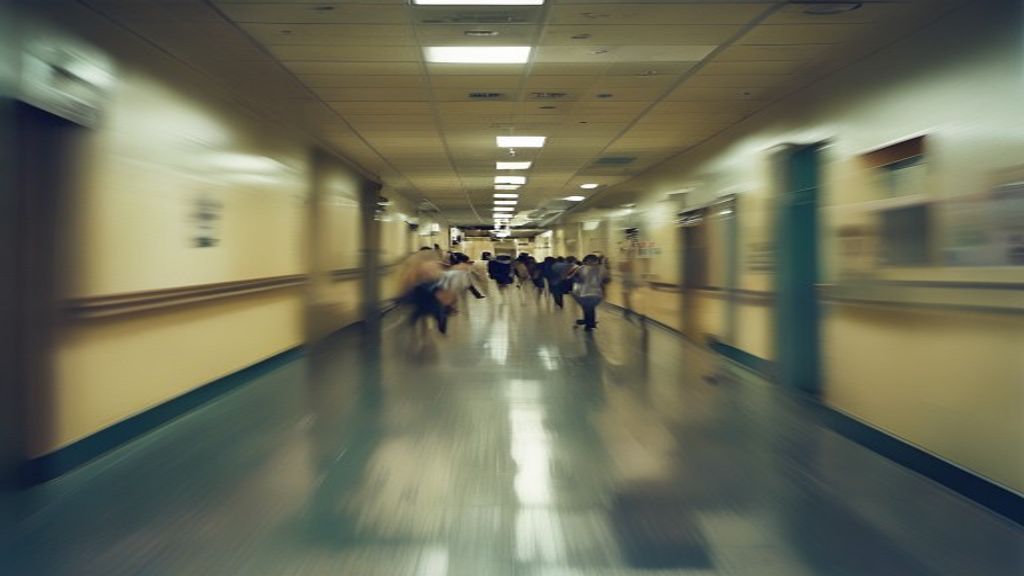
New austerity measures are stripping vital resources from the facility, leaving many patients at risk. The shortage of staff leaves the orthopedic surgical ward vulnerable to critical errors. Staff are now forced into a cycle of constant triage. Longer shifts and fewer colleagues are fundamentally changing the quality of daily care. As beds are removed to balance the budget, the physical capacity to manage urgent injuries is vanishing. The pressure on the nursing team is mounting, creating a dangerous gap between patient demand and available medical resources.
The empty beds tell the story
Nurses at Aalborg University Hospital have issued a stark warning about unsafe working conditions. The alert comes as new austerity measures strip resources from the orthopedic surgical ward. Staff say the cuts have created a dangerous environment for both patients and caregivers. The changes are visible the moment you walk through the doors. What was once a bustling hub of activity is now marked by silence and empty space. The physical reality of the ward tells a story that spreadsheets cannot capture.
The crisis began with a series of administrative decisions aimed at reducing costs. Hospital leadership removed beds to streamline operations and cut personnel expenses. The goal was to create a more efficient model for patient care. But the result on the ground has been a sharp reduction in capacity. Nurses report that the ward feels hollowed out. The beds that once lined the walls are gone. The monitors that used to beep in the background are silent. The contrast between the past and present is jarring. It is not just a change in numbers. It is a change in atmosphere.
A nurse on the ward described the scene with quiet frustration. She stood in the middle of the room, looking at the vacant spaces. These beds used to hold patients recovering from complex surgeries. Now they stand empty, covered in white sheets. The nurse pointed to a corner where a cluster of beds used to be. That area was always busy. It was where the most critical cases were monitored. Now it is just open floor space. The emptiness is not peaceful. It is unsettling. It signals a lack of resources rather than a lack of need. Patients still arrive with urgent injuries. But there is less room to care for them properly.
The stakes are high because patient safety depends on adequate staffing and space. When beds are removed, the remaining staff must handle more complex cases with fewer tools. The risk of error increases when the environment is constrained. Nurses say they feel the pressure every day. They are asked to do more with less. The physical layout of the ward has changed to reflect the budget cuts. But the needs of the patients have not changed. In fact, the demand for orthopedic care remains strong. The mismatch between capacity and demand is the core of the problem.
One concrete detail illustrates the scale of the reduction. The ward lost several key beds in the last quarter. These were not just extra spaces. They were essential for managing patient flow. Without them, the team struggles to keep up with admissions. The nurse mentioned that the loss of beds has forced difficult decisions. Some patients are moved to other units. Others wait longer for assessment. The process is slower and more stressful. The nurse did not mince words about the impact. She said the changes have made her job harder. She said the patients suffer because of it.
The warning from the nurses is not just about comfort. It is about safety. The orthopedic ward handles serious injuries that require close monitoring. When resources are cut, that monitoring becomes harder to maintain. The staff are left to fill the gaps with their own energy. But energy is not a substitute for infrastructure. The empty beds are a symbol of a larger issue. They represent a system that is under strain. The nurses are asking for a reversal of the cuts. They want the hospital to recognize the danger. They want the beds back. They want the staff levels restored.
The scene in the ward is a powerful reminder of the human cost of austerity. It is not just a line item in a budget. It is a real place where real people work and recover. The nurse who described the empty beds was not alone in her concern. Other staff members have echoed her warnings. They say the situation is unsustainable. They say the current model puts patients at risk. The evidence is right there in the room. The empty beds tell the story. The silence speaks volumes. The staff are waiting for a response. They hope the hospital leadership will listen. They hope the changes will be reversed before harm occurs. The clock is ticking. The ward is open. The patients are arriving. The nurses are ready to work. But they need the tools to do it safely.
Staff face impossible choices daily
Nurses now work longer shifts with fewer colleagues to help them carry the load. The daily routine has shifted from structured care to constant triage. Staff members must decide which patient needs attention first when every room demands help at once. This pressure creates a cycle of fatigue that never truly ends. The physical toll shows up in missed breaks and skipped meals. Mental strain follows close behind. Nurses report feeling anxious before their shifts even begin. They worry about making mistakes because they are simply too tired to think clearly. Burnout is no longer a distant risk. It is a present reality for many on the floor.
The moral distress cuts deeper than physical exhaustion. Nurses want to provide the best care possible. They cannot do that when they are stretched thin. One nurse described a moment that haunts her. She was caring for a patient who needed immediate pain relief. Another patient down the hall was calling for help with a wound. She had to choose who to see first. She went to the patient with the wound. The other patient waited in pain. She could hear the monitor beeping. She could hear the breathing change. She felt helpless. "I had to walk away," she said. "I knew I should have stayed. But I had no choice."
Hospital administration defends the changes as necessary for long-term stability. They argue that the cuts were made to balance the budget. The goal was to create a more efficient system. They point to national trends in healthcare spending. They say that other hospitals are making similar adjustments. The administration believes that fewer beds mean less waste. They claim that resources can be better allocated elsewhere. Their stated aim is to modernize care delivery. They want to move away from traditional ward models. They believe that outpatient care is the future. This logic sounds reasonable on paper. It does not match the reality on the ground.
The gap between policy and practice is wide. Administrators look at spreadsheets and projections. Nurses look at patients and charts. The two views rarely align. Leaders talk about efficiency metrics. Staff talk about human needs. The disconnect creates frustration on both sides. Management feels they are doing their duty. Nurses feel they are being set up to fail. Trust has eroded between the two groups. Meetings become arguments rather than collaborations. Emails go unanswered. Proposals get rejected without explanation. The relationship is strained. Communication has broken down. Each side talks past the other. Neither side feels heard.
Patient wait times have increased as a result. People sit in hallways for hours. They wait for beds that do not exist. They wait for nurses who are already busy. The delay affects recovery rates. Post-surgical patients need close monitoring. They need help moving and eating. They need medication on schedule. When nurses are overwhelmed, these tasks slip. Small delays become big problems. A missed dose of antibiotics can lead to infection. A delayed walk can lead to blood clots. The quality of care drops. Patients notice the difference. Families notice the difference. The standard of care has slipped below acceptable levels.
The emotional toll on staff is severe. Anxiety runs high among the nursing team. Fear of making errors keeps them awake at night. They second-guess every decision. They replay every interaction in their heads. The stress affects their personal lives. Relationships suffer. Sleep patterns break down. Some nurses have left the profession entirely. Others are looking for jobs elsewhere. The turnover rate is rising. New hires struggle to adapt. They face the same impossible choices from day one. The cycle continues. The system does not change. The pressure remains constant.
Burnout manifests in subtle ways. Nurses become detached from their patients. They stop smiling. They stop making eye contact. They go through the motions. The passion that drove them into the field fades. Compassion fatigue sets in. They care less because they can care no more. This detachment is dangerous. It leads to errors. It leads to missed signs. It leads to poor outcomes. The hospital loses its soul. The care becomes mechanical. The humanity drains away. Patients feel the change. They sense the distance. They feel less valued. The therapeutic relationship breaks down.
The administration argues that the cuts are temporary. They say the situation will improve soon. They promise that staffing levels will be reviewed. They claim that the current measures are a bridge to a better future. Nurses do not believe them. They have heard these promises before. They have seen them fail. Trust is hard to rebuild. Actions speak louder than words. The daily reality contradicts the official narrative. The gap widens with each passing day. Tension builds in the corridors. Whispers turn into complaints. Complaints turn into warnings. The warnings are ignored. The cycle repeats. The staff waits. The patients wait. The clock ticks on.
Hospital management has not yet reversed the staffing cuts. The administration maintains that the current model is sustainable. They argue that efficiency gains will offset the reduced headcount. This stance puts them at odds with the clinical staff on the ground. The nurses say the math does not work in practice. They warn that patient safety is already compromised. The disagreement is now moving beyond internal memos. It is entering the public arena. The hospital board must decide whether to listen to the floor or the spreadsheet. That decision will shape the future of care in Aalborg. It will also set a precedent for other hospitals in Denmark. The stakes are high for everyone involved. Patients need reliable care. Staff need safe working conditions. The system needs stability. The current situation offers none of these things. The tension is palpable in every department. The waiting rooms are full. The corridors are quiet. The staff is exhausted. The clock is ticking. The next few weeks will be critical. The hospital cannot ignore the warnings forever. The pressure is building. The board faces a choice. They can double down on austerity. Or they can reinvest in care. The outcome will affect thousands of lives. It will also test the resilience of the Danish healthcare system. The system is already under strain. This crisis is not isolated. It is part of a larger trend. Other hospitals are facing similar challenges. The national debate is heating up. Politicians are watching closely. Unions are preparing for action. The public is paying attention. The spotlight is on Aalborg. The hospital is in the eye of the storm. The board must act soon. Delay is not an option. The risk of error is rising. The risk of burnout is rising. The risk of legal liability is rising. The hospital is walking a tightrope. One misstep could be catastrophic. The nurses have made their case. The evidence is clear. The warnings are loud. The board must respond. They cannot hide behind bureaucracy. They cannot cite budget constraints indefinitely. They must prioritize patient safety. They must support their staff. They must restore trust. The time for talk is over. The time for action is now. The patients are waiting. The staff is waiting. The community is waiting. The board must deliver. The next review of staffing levels is scheduled for next month. That meeting will be pivotal. It will determine the direction of the hospital. It will also signal the priorities of the leadership. Will they choose efficiency or safety? Will they choose savings or care? The answer will define their legacy. The nurses are ready to testify. They have gathered data. They have documented incidents. They have prepared their arguments. They will not be silenced. The unions are backing them. The public is supporting them. The media is covering the story. The pressure is mounting. The board feels it. They know they are being watched. They know they are being judged. They must make the right call. The consequences of getting it wrong are severe. Medical errors could increase. Staff turnover could accelerate. Legal liabilities could grow. The hospital’s reputation could suffer. The trust of the community could erode. These are not abstract risks. They are real threats. They are immediate dangers. The board must act to mitigate them. They must engage with the staff. They must listen to the concerns. They must address the issues. They must find a solution. The solution must be sustainable. It must be safe. It must be fair. It must be effective. The board has the power to make it happen. They have the resources to fix it. They have the responsibility to do it. The question is whether they have the will. The nurses believe they do not. The staff is losing faith. The patience is wearing thin. The tolerance for delay is gone. The demand for change is urgent. The board must heed it. They must show leadership. They must take responsibility. They must deliver results. The patients deserve better. The staff deserves better. The hospital deserves better. The community deserves better. The board must rise to the challenge. They must prove they care. They must prove they listen. They must prove they act. The next few weeks will tell. The review meeting is the first step. It is not the last. The fight is just beginning. The nurses are prepared for a long battle. They are ready to escalate. They are ready to organize. They are ready to mobilize. The unions are ready to support them. The public is ready to stand with them. The media is ready to amplify their voice. The board is surrounded. They have no place to hide. They have no room to maneuver. They must make a move. They must make a decision. They must make a difference. The time is now. The moment is here. The choice is theirs. The consequences are theirs. The legacy is theirs. The board must choose wisely. The board must choose bravely. The board must choose correctly. The patients are counting on them. The staff is counting on them. The community is counting on them. The hospital is counting on them. The system is counting on them. The future is counting on them. The board must not fail. The board must not falter. The board must not fold. The board must stand firm. The board must stand tall. The board must stand strong. The board must deliver. The board must act. The board must change. The board must fix it. The board must save it. The board must heal it. The board must restore it. The board must rebuild it. The board must renew it. The board must revive it. The board must rescue it. The board must save the day. The board must save the hospital. The board must save the staff. The board must save the patients. The board must save the system. The board must save the community. The board must save the future. The board must save the day. The board must save the hospital. The board must save the staff. The board must save the patients.
The hospital board faces a critical decision during next month's staffing review. Whether leadership chooses to reinvest in personnel or continue with the current budget cuts will define the future of care in Aalborg. The nurses are prepared to escalate their protest if the warnings are ignored.