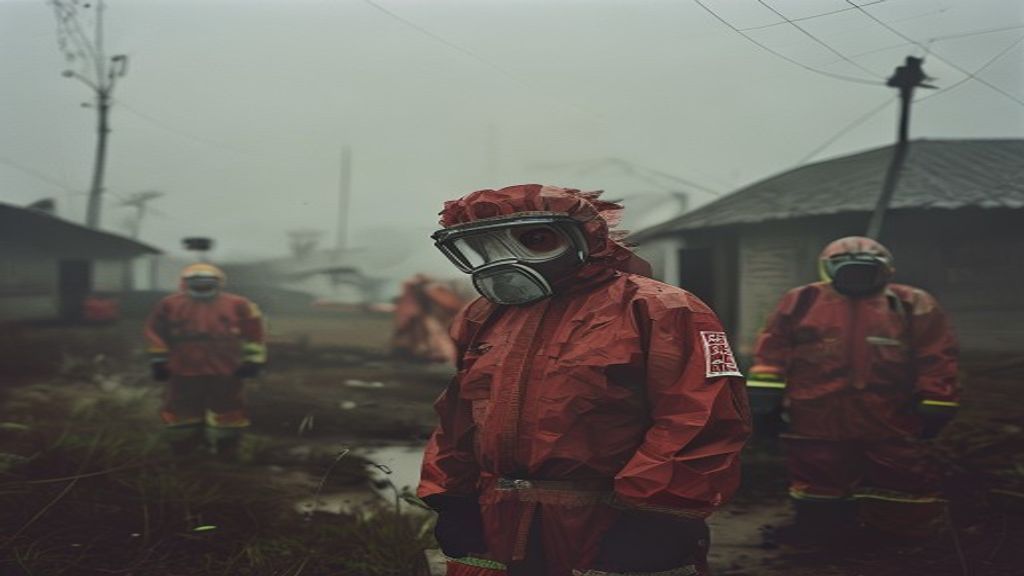
Red Cross volunteers died from suspected Ebola in the Democratic Republic of the Congo before officials confirmed an outbreak. Their deaths occurred before health officials even confirmed an outbreak existed. This detection gap left frontline workers unprotected while the virus moved through villages. A lack of diagnostic tools in remote clinics allowed the disease to spread undetected for days. Without rapid testing, medical teams could not identify the threat until the casualties were already mounting. The delay in official confirmation meant that families continued traditional burial practices, unknowingly spreading the virus to others. This failure in the early warning system has left entire communities vulnerable to a resurgence of the deadly pathogen. As the virus moves through Kasaï Province, the absence of immediate identification remains the greatest obstacle to containment.
The fatal delay
Red Cross volunteers died from suspected Ebola in the Democratic Republic of the Congo. Their deaths occurred before officials confirmed the outbreak. This gap in detection allows the virus to spread silently. Communities remain unaware of the threat until it is too late. The tragedy highlights a critical failure in early warning systems.
The virus resurfaced in Kasaï Province after 17 years. Ebola returned to the region[1] with deadly force. Volunteers were on the ground when symptoms first appeared. They worked in areas with limited medical resources. Their presence was vital for community trust and outreach. Yet they lacked the tools to identify the disease quickly.
The Red Cross confirmed that volunteers contracted the virus early. Workers fell ill before identification[1] of the outbreak. This timeline reveals a dangerous lag in official response. Days or weeks passed between the first deaths and confirmation. During that time, the virus moved through villages unchecked. Families gathered for burials without knowing the risks.
Safe burials are essential to stopping Ebola transmission. Dignified burial practices reduce spread[4] within affected communities. Volunteers often lead these efforts in remote areas. They handle bodies with care and respect local customs. Their work prevents further contamination during funeral rites. Without them, the virus finds new hosts rapidly.
The UN has described the current risk as very high. Eastern DR Congo faces severe danger[2] from the fast-growing outbreak. Emergency personnel are rushing supplies into the region. Funding is being allocated to support containment efforts. The situation demands immediate action to prevent wider devastation. Every hour counts in the fight against Ebola.
Volunteers faced similar dangers in previous outbreaks. In 2018, protestors attacked Red Cross workers in DR Congo. Three volunteers were assaulted[3] while assisting with a burial. Fear and misinformation can turn communities against health workers. Trust is fragile in regions with weak infrastructure. Volunteers must navigate these tensions while saving lives.
The current crisis is compounded by political instability. A perfect storm of challenges[3] hinders effective response. Civil conflict disrupts healthcare delivery in eastern regions. Medical facilities are underfunded and understaffed. Supply chains break down under pressure. These factors create an environment where outbreaks thrive.
Mbandaka city serves as a key location for response efforts. Volunteers conduct burials at Bolenge cemetery[4] in the city. They work under strict safety protocols to protect themselves. Each burial requires careful planning and execution. The team ensures that bodies are handled with dignity. Their efforts help contain the virus at its source.
The delay in confirmation has serious consequences. Undetected cases multiply in the shadows. Families lose loved ones without understanding why. Health systems struggle to cope with sudden surges. Early detection is crucial for effective containment. Without it, the virus gains ground rapidly.
Volunteers play a unique role in outbreak response. They bridge the gap between health systems and communities. Their local knowledge is invaluable for tracking contacts. They build trust where outsiders cannot go. Yet they remain vulnerable to the very diseases they fight. Their sacrifice underscores the need for better protection.
The timeline of this outbreak raises urgent questions. Why did it take so long to confirm the threat? What barriers prevented earlier detection? These issues demand scrutiny from health authorities. Transparency is key to restoring public confidence. Communities deserve to know the truth about risks.
The Red Cross continues to support affected areas. Volunteers remain on the front lines despite the dangers. Their commitment saves lives every day. They work tirelessly to contain the spread of Ebola. Their efforts are a testament to human resilience. Yet systemic changes are needed to prevent future tragedies.
The stakes are high for the entire region. A delayed response allows the virus to establish footholds. These footholds become harder to eradicate over time. The cost of inaction is measured in lives lost. Swift action is the only path forward. Health systems must adapt to emerging threats.
Volunteers are not just workers; they are lifelines. They provide care when no one else can. They offer comfort in moments of despair. Their presence brings hope to isolated communities. Yet they need stronger support structures. Protection must be prioritized in all response plans.
The outbreak in Kasaï Province is a warning. It shows how quickly things can go wrong. Weak systems fail under pressure. Communities suffer the consequences. Early detection saves lives and resources. Investing in surveillance is an investment in security.
The UN is mobilizing resources to counter the outbreak. Emergency aid is flowing into eastern DR Congo[2]. Supplies include personal protective equipment and vaccines. Personnel are trained to handle high-risk situations. Coordination between agencies is critical for success. Every effort counts in the battle against Ebola.
Volunteers in Guinea have also faced attacks. Workers were targeted while assisting[5] with Ebola-related tasks. Misinformation fuels fear and violence against health teams. Education campaigns are needed to combat rumors. Trust must be rebuilt through consistent engagement.
The delay in this outbreak is not an isolated incident. It reflects broader challenges in global health security. Weak systems exist in many parts of the world. They are vulnerable to similar failures. Strengthening infrastructure is a shared responsibility. International cooperation is essential for progress.
Volunteers deserve recognition for their bravery. They step up when others step back. Their work is often unseen but always vital. They risk their lives to protect others. Honoring their sacrifice means improving safety measures. No one should die doing their job.
The path forward requires urgent attention. Health authorities must act swiftly to contain the virus. Communities need accurate information to stay safe. Volunteers require better protection and support. Together, we can prevent future tragedies. The time for action is now.
Why early warning failed
Remote clinics in the Democratic Republic of the Congo operate without rapid diagnostic tools. Community health workers spot symptoms first. They lack the authority to trigger official alerts. This gap leaves volunteers exposed to high risk. Conflict and poor infrastructure further hinder surveillance efforts. The system is broken at the point of contact.
Health workers in rural areas often see patients before anyone else. They notice fever, bleeding, and severe dehydration. These are classic signs of Ebola. But they cannot run tests on site. Diagnostic kits require stable power and cold storage. Most remote clinics do not have these resources. Samples must travel long distances to central labs. The journey takes days or weeks. By then, the virus has already spread.
Community health workers are the eyes of the system. They live in the villages they serve. They know who is sick and who is not. Yet they have no power to declare an emergency. Their reports go through layers of bureaucracy. Officials wait for confirmation before acting. This delay costs lives. Volunteers continue working without knowing the threat. They handle patients with bare hands. They assist with burials without proper gear. The risk is immediate and deadly.
Volunteers face danger without adequate protection. Personal protective equipment is scarce in remote zones. Gloves, masks, and gowns run out quickly. Supplies do not reach the front lines in time. Workers use what they can find. Sometimes that means nothing at all. They touch bodies and fluids without barriers. The virus enters through small cuts or mucous membranes. Infection follows quickly. Death follows faster. The Red Cross states that volunteers contracted the virus before the outbreak was officially identified . This timeline reveals a fatal flaw in the response chain.
Consider the scene at a local cemetery. Volunteers prepare a body for burial. They wear thin plastic gloves. The air is hot and still. Family members watch from a distance. The volunteers lift the shrouded form. They lower it into the ground. They do not know the cause of death. They do not know the risk. Ebola spreads through contact with bodily fluids. Burials are high-risk events. Safe and dignified burials are critical to reducing the risk of Ebola spreading within affected communities . Without proper protocols, the ritual becomes a vector. The volunteers return home. They touch their faces. They hug their children. The virus moves with them.
Regional instability makes surveillance nearly impossible. Roads are blocked by checkpoints or damage. Militias control large swathes of territory. Health teams cannot enter safely. Data collection stops. Outbreaks go unreported. The current Ebola outbreak in DR Congo has been called a 'perfect storm' due to political instability, weakened medical infrastructure, and bloody civil conflict . This description fits the reality on the ground. Workers operate in fear. They hide their activities to avoid attack. They cannot move freely to trace contacts. The virus exploits the chaos. It spreads in the shadows.
Past incidents show the pattern of failure. In 2018, protestors looted an Ebola isolation center. Three Red Cross volunteers were attacked while assisting with a burial . Trust in health workers is fragile. Rumors spread faster than facts. Communities suspect outsiders of causing illness. They resist intervention. Volunteers become targets. This hostility disrupts containment efforts. It delays diagnosis and treatment. The cycle repeats in new locations. Each outbreak faces the same barriers. The system does not adapt quickly enough.
The UN is rushing emergency personnel, funding, and supplies into eastern Democratic Republic of the Congo to counter a fast-growing Ebola outbreak . This response comes too late for the dead. It may save others. But the gap remains. Early detection is the first line of defense. It is missing in remote areas. Workers need better tools. They need clearer authority. They need protection from violence. Without these changes, the next volunteer will die. The next community will suffer. The cycle continues until the system changes.
What happens next
The United Nations is rushing emergency personnel, funding, and supplies into eastern Democratic Republic of the Congo. The agency aims to counter a fast-growing outbreak[3] that has already claimed lives among aid workers. The response must be swift. The virus does not wait for bureaucracy. It spreads through contact. It spreads through burial. It spreads through fear. The window to contain it is closing. Every hour of delay increases the risk of wider transmission. The stakes are immediate. The stakes are human.
Contact tracing teams are moving into affected neighborhoods. They identify people who had close contact with infected individuals. They monitor those contacts for symptoms. They isolate anyone who shows signs of illness. This process is labor-intensive. It requires trust. It requires access. In regions with weak infrastructure, teams face logistical hurdles. Roads are poor. Communication networks are spotty. Communities are often suspicious of outsiders. Volunteers must navigate these challenges daily. They work in conditions that test their resilience. They work in conditions that test their safety.
Vaccination campaigns are launching in parallel. Health workers administer vaccines to frontline responders. They vaccinate people in high-risk zones. The goal is to create a ring of immunity around cases. This strategy has worked in past outbreaks. It requires speed. It requires precision. It requires community cooperation. If people refuse the vaccine, the ring breaks. If people hide symptoms, the ring breaks. If violence disrupts the campaign, the ring breaks. The success of this effort depends on local acceptance. It depends on clear communication. It depends on respect for cultural practices.
Safe burials are a critical component of the response. Congolese Red Cross volunteers conduct dignified burials[4] for patients who may have died of Ebola. These burials reduce the risk of further spread. They honor the dead. They protect the living. The process is emotionally taxing. Volunteers handle bodies with care. They follow strict protocols. They wear protective gear. They face danger with every task. In 2018, protestors looted an isolation center. Three volunteers were attacked while assisting with a burial. That violence highlighted the risks[3] faced by aid workers. The threat remains real. The threat remains present.
Policy changes are now under discussion. Experts call for faster reporting mechanisms. They want earlier alerts from community health workers. They want clearer authority for local responders. They want better support for frontline staff. The current system has gaps. Those gaps cost lives. Those gaps allow the virus to spread. Reform is not optional. Reform is urgent. The political will must match the technical capacity. The funding must match the need. The commitment must match the crisis.
The situation in DR Congo is complex. Analysts describe it as a perfect storm[3] of political instability, weakened medical infrastructure, and bloody civil conflict. These factors hinder surveillance efforts. They complicate response operations. They increase the risk of future outbreaks. The region has seen Ebola before. It has seen other diseases. It has seen violence. The combination is deadly. The combination is difficult to manage. The combination requires sustained attention.
Future risks extend beyond this outbreak. Other regions with weak health systems face similar threats. They lack rapid diagnostic tools. They lack trained personnel. They lack reliable supply chains. They lack political stability. The lessons from DR Congo apply globally. Early detection saves lives. Early response saves lives. Early support saves lives. The world cannot afford to wait. The world cannot afford to ignore warning signs. The world cannot afford to repeat past mistakes.
The investigation into the volunteer deaths continues. Authorities are examining the timeline. They are reviewing the response protocols. They are assessing the support provided to workers. The findings will inform future policy. The findings will shape future training. The findings will influence future funding. The process is ongoing. The process is critical. The process matters.
New safety protocols are being developed. They aim to protect aid workers. They aim to improve detection. They aim to speed up response. The timeline for implementation is unclear. The timeline depends on resources. The timeline depends on coordination. The timeline depends on political will. The work is just beginning. The work is far from over. The work is essential.
The next step is clear. The UN must deliver its supplies. The health teams must reach the communities. The volunteers must stay safe. The government must support the response. The international community must provide funding. The pressure is mounting. The clock is ticking. The outcome is not yet written. The outcome depends on action. The outcome depends on speed. The outcome depends on unity.
The investigation into the volunteer deaths continues. Authorities are now reviewing response protocols to prevent similar delays in the future. The findings will determine how quickly health teams can react when the next threat emerges.