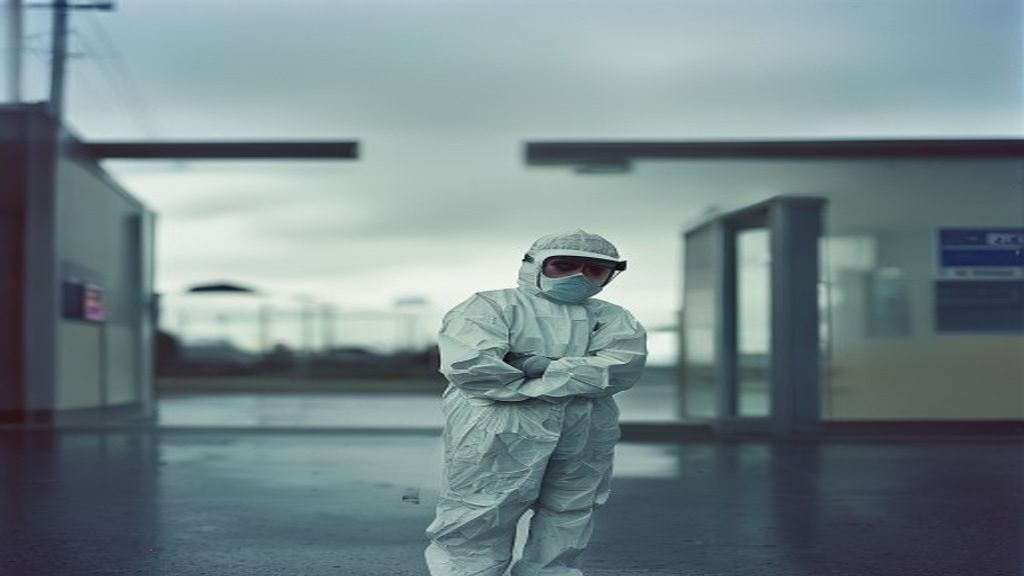
Ebola has crossed the border from the DRC into Uganda. The outbreak is spreading faster than medical teams can track it. Active conflict and rising local distrust are now blocking the path to containment. Families in border villages are hiding symptoms from doctors. Rumors are driving people away from life-saving vaccines. This breakdown in trust makes the tracking of new cases nearly impossible.
The spread crosses the border
Ebola has moved from the Democratic Republic of Congo into Uganda. The outbreak has spread beyond the DRC following the movement of infected people across the border. Uganda has now recorded seven confirmed cases in this current wave.
Two of these cases involve healthcare workers. One death has also been confirmed in the country. The virus is the Bundibugyo strain of the Ebola virus.
Jean-Pierre Mukasa, a community leader in the border town of Bunagana, watches the medical teams with suspicion. He has seen the trucks arrive and depart without ever speaking to the local residents. For Mukasa, the sudden presence of foreign doctors feels more like an invasion than an aid effort.
Violence is making medical access nearly impossible. In North Kivu, armed groups are targeting medical personnel and blocking vaccination teams. This conflict prevents the deployment of medical teams[3] to the most vulnerable areas.
Last Tuesday, a vaccination team was forced to retreat from a remote village. Gunfire erupted near the edge of the settlement, prompting the drivers to abandon their mission. The team left behind several crates of supplies as they fled the sound of bullets.
Containment is failing because the virus follows the path of people. Cross-border movement allows the disease to jump between populations. Without safe passage, the virus could reach major urban centers and overwhelm local hospitals.
Public mistrust is also slowing the response. People are often slow to report symptoms or follow isolation rules. This delay allows the virus to circulate undetected for longer periods.
Why communities turn away help
Local rumors are driving families to hide symptoms from medical teams. In many border villages, residents believe vaccines are a plot to spread disease or cause sterilization. These fears stem from past failures by international agencies and local governments that left deep scars on the population.
"We do not trust the strangers who arrive with needles," said a community elder in a remote DRC district. He explained that the sudden arrival of foreign workers feels more like an invasion than a rescue mission. This sentiment is spreading through local languages across the region.
Previous outbreaks were contained through active community engagement. That model is failing now. The current crisis is defined by a breakdown in the relationship between health workers and the people they serve.
Armed groups are also using the health response as political leverage. Militias target medical teams to destabilize the region and undermine government authority. Political conflict disrupts access[2] to these remote areas, making it nearly impossible to deploy enough doctors. This makes medical logistics a nightmare.
Vaccines require a strict cold chain to remain effective. In areas without reliable electricity or safe transport routes, maintaining the necessary temperature is often impossible. The lack of infrastructure turns a medical mission into a logistical struggle.
Border tensions between the DRC and Uganda further complicate the response. Unstable security and shifting refugee flows make it difficult to coordinate tracking efforts. The virus moves easily across the border, but medical teams cannot.
One vaccination campaign in a small village was halted after a large protest broke out. Residents blocked the road to prevent the team from entering. The medical staff eventually withdrew to avoid further confrontation.
What happens next for containment
UN peacekeepers and WHO officials are attempting to negotiate safe corridors for medical teams. The goal is to reach remote areas where active fighting prevents access. These negotiations aim to separate health interventions from the ongoing political violence.
Regional governments face a critical decision. They must decide whether to deploy more security forces to protect vaccination teams. Increased military presence could provide safety, but it also risks further alienating communities already wary of armed groups.
New surveillance methods are being deployed to track the virus in hard-to-reach zones. These tools help monitor movement across the border between DRC and Uganda. Tracking cases becomes harder when conflict disrupts traditional reporting lines.
Containment is a race against time.
One WHO official stated that the critical window for stopping the spread is closing. The risk of the virus reaching high-density urban centers like Goma or Kampala remains high. If the virus reaches these cities, the impact on healthcare systems would be catastrophic.
International donors are now reviewing their funding commitments. The scale of the current response depends on whether these funds arrive quickly enough to expand testing and treatment. Without sufficient resources, the capacity to manage new cases will remain limited.
The WHO emergency committee will conduct its next review of the outbreak status soon. This meeting will determine if the current level of international alarm is justified. The committee will assess whether the current strategies are effectively slowing the transmission.
There is still a gap between the demand for protection and the supply of medicine. Health authorities currently lack enough doses to cover all high-risk populations in the region.