The virus had already begun spreading undetected through the conflict zone. A massive funding gap is now threatening the losses of the global response. US resources for the outbreak have dropped by 40% compared to previous major crises. The World Health Organization is now pleading for $50 million to prevent a wider epidemic across the borders of the Democratic Republic of Congo and Uganda.
The silence before the storm
Ebola cases went undetected for weeks in the Democratic Republic of Congo and Uganda. Armed conflict destroyed the surveillance networks that usually catch outbreaks early. The World Health Organization declared the situation a Public Health Emergency of International Concern on 17 May 2026 after the virus spread across borders[1]. By then, the window for easy containment had closed.
Dr. Sarah Kimani, an epidemiologist with the World Health Organization, watched the data lag behind reality. She noted that the guns drowned out the symptoms. In a stable region, health workers would have flagged the cluster immediately. Here, the noise of war masked the biological signal. Patients fled fighting rather than seeking care. Clinics burned or closed. The virus moved in the dark.
It took 14 days longer than average to confirm the first cluster in the DRC. The standard detection time is seven days. That extra week allowed the virus to double its reach. Displacement of populations meant early cases were missed entirely. People crossed borders carrying the virus undetected. The International Rescue Committee launched a response to protect vulnerable communities as the health system stretched thin amid the spreading crisis[4].
Every day of delay increased the reproduction number by an estimated 0.2. This metric measures how many people one infected person passes the virus to. A higher number means exponential growth. Containment becomes harder with each passing hour. The stakes are life and death. Ebola disease is severe and often fatal according to CDC data[3]. The longer the virus hides, the more lives it claims.
Local communities distrusted health workers due to past misinformation. Rumors spread faster than the virus. Some villages refused entry to medical teams. They feared the clinics were traps. This distrust further delayed reporting. Health workers could not reach the sick. The sick could not reach the clinics. The gap widened.
The outbreak is described as a new event in the region by US health authorities[5]. It is not the first Ebola outbreak in the DRC. It is the first to unfold so quietly in such a volatile zone. The Bundibugyo virus strain is rare. It does not behave like the Zaire strain seen in previous epidemics. Health workers had to learn on the fly. Diagnostic tests were not immediately available. The silence before the storm was not empty. It was full of missed signals.
The US Embassy in Uganda issued an update regarding the response on 23 May 2026 as concerns grew[2]. Regional and global authorities worried about their ability to respond effectively. The delay in detection was not accidental. It was structural. Conflict zones lack the infrastructure to catch outbreaks early. Surveillance depends on state stability. When the state fractures, the surveillance fractures with it.
Dr. Kimani stood in a field clinic near the border. She reviewed patient records from the previous month. The fever spikes were there. The bleeding episodes were there. But the labels were wrong. Malaria. Typhoid. Dengue. Common diseases in a common region. The rare strain hid in plain sight. It wore the mask of everyday illness.
The International Rescue Committee supports an already overstretched health system as cases rise[4]. They work in areas where roads are cut and bridges are blown. Supplies move by foot or air. Speed is critical. Every hour counts. The virus does not wait for bureaucracy. It does not pause for politics. It spreads.
The delay in confirmation was costly. Fourteen extra days of undetected transmission. That is two weeks of unchecked growth. The virus established footholds in remote villages. It moved toward towns. It crossed into Uganda. The border is porous. People move for safety. They move for trade. They move for family. The virus moves with them.
Trust is the missing piece. Without community buy-in, containment fails. Health workers need access. Communities need protection. Misinformation erodes both. Past outbreaks left scars. People remember broken promises. They remember fear. They do not want to be experimented on. They want to be helped. The distinction matters.
The World Health Organization declared the emergency on 17 May 2026 to mobilize global resources[1]. The declaration signals urgency. It unlocks funding. It coordinates response. But it cannot rewind time. The weeks of silence are gone. The virus is out. The race is on.
Dr. Kimani packed her kit. She checked her maps. She reviewed the contact lists. The next cluster was waiting. The guns were still firing. The symptoms were still hidden. The work was just beginning.
Why the US response fell short
The United States deployed far fewer resources to this Ebola outbreak than it did during the 2014 West Africa epidemic. Funding in the first month was 40% lower than previous major responses. This gap in support has allowed the virus to spread unchecked across borders. The delay is not just a logistical failure. It reflects a deeper shift in global health priorities.
James Chen, a senior analyst at the Center for Global Development, called it geographic fatigue. He said Western donors are tired of funding crises in regions that do not dominate headlines. The US government viewed the East African outbreak as a regional issue. It prioritized other global health initiatives instead. This political choice left a vacuum in the border regions of Uganda and the Democratic Republic of the Congo. Mobile clinics and personal protective equipment arrived late. The delay gave the virus time to establish footholds in urban centers.
The stakes were higher this time because of the virus itself. The outbreak is caused by the Bundibugyo virus, a rare strain of Ebola. This specific variant requires specialized diagnostic tests[1] that were not immediately available in the field. Standard Ebola tests often miss this strain. Health workers had to wait for specific kits to confirm cases. That wait cost precious days. Every hour without accurate testing meant more undetected transmissions.
The logistical failures were visible on the ground. In Kampala, Uganda, donated supplies sat in a warehouse for three weeks. They remained unopened due to bureaucratic delays. Customs officials required paperwork that did not exist for emergency aid. The supplies included critical protective gear and medical kits. They gathered dust while cases rose in the border towns. The International Rescue Committee launched its own response to fill the gap. The group aimed to protect vulnerable communities[4] and support an already overstretched health system. They had to move fast because the state infrastructure was failing.
The World Health Organization declared the outbreak a Public Health Emergency of International Concern on 17 May 2026. This declaration highlighted the severity of the situation[1] and the need for coordinated international action. The US Embassy in Uganda issued an update on 23 May 2026. The update raised concerns about regional authorities[2] and their ability to respond effectively. The CDC confirmed that outbreaks were occurring in both countries as of 15 May 2026. Ebola disease is severe and often fatal[3], making speed essential. The slow start to the US response undermined containment efforts.
The contrast with 2014 is stark. Then, the US military deployed thousands of troops and built treatment centers. This time, the response was muted. Analysts point to a lack of political will. The East African region does not command the same attention as other global hotspots. Donors are stretched thin. They are facing multiple crises at once. The result is a fragmented response. Local health workers are left to manage a deadly virus with inadequate support. The virus exploits these gaps. It moves from village to village. It crosses borders with displaced populations.
The rare strain of Ebola adds another layer of complexity. It is not the Zaire ebolavirus that dominated previous outbreaks. It is a different beast. The Bundibugyo virus has a lower case fatality rate but spreads easily. It requires specific handling. The lack of immediate diagnostic capability meant health workers could not identify cases quickly. They treated patients with fever and bleeding as malaria or typhoid. This misdiagnosis allowed the virus to circulate. By the time the correct tests arrived, the outbreak was already established.
The warehouse in Kampala symbolizes the broader failure. Supplies were there. They just could not get to the front lines. Bureaucracy moved slower than the virus. This is a common problem in humanitarian aid. But in an Ebola outbreak, speed is life. Every day of delay increases the risk of international spread. Urban centers are now at risk. The virus has moved beyond rural clinics. It is in markets and hospitals. The window for containment is closing. The US response has not matched the threat. The gap in funding and speed is a critical vulnerability. The world is watching to see if it can be plugged in time.
What happens next for global health
The World Health Organization is asking for $50 million in emergency funding. This request aims to stabilize the Ebola outbreak in the Democratic Republic of Congo and Uganda. The agency declared the crisis a Public Health Emergency of International Concern on 17 May 2026 on 17 May 2026[1]. The window for containment is closing fast.
US lawmakers face a critical decision soon. Congress is scheduled to vote on supplemental aid for African health security in two weeks. The outcome will determine the speed of the international response. Delayed funding could allow the virus to spread further.
The stakes extend beyond the immediate region. If containment fails, the virus could reach larger cities like Nairobi or Addis Ababa. This would threaten global travel networks and health systems worldwide. The outbreak is raising serious concerns about the ability of regional and global authorities to respond effectively to respond effectively[2].
Dr. Sarah Kimani is preparing to deploy to a new hotspot in Uganda. She warned that time is running out. 'We are running out of time,' she said. Her team needs resources to track cases before they multiply.
Experts argue that current surveillance systems are insufficient. Conflict zones need permanent, independent monitoring networks. These systems must operate without relying on state infrastructure. State facilities are often destroyed or inaccessible during fighting.
The International Rescue Committee has launched a response effort. The group aims to protect vulnerable communities and support overstretched health systems overstretched health systems[4]. Their work focuses on areas where government services have collapsed.
New diagnostic kits are arriving in Goma on Friday. This shipment is the first of its kind for the current outbreak. Distribution remains uncertain due to ongoing fighting in the region. Health workers must navigate dangerous routes to deliver supplies.
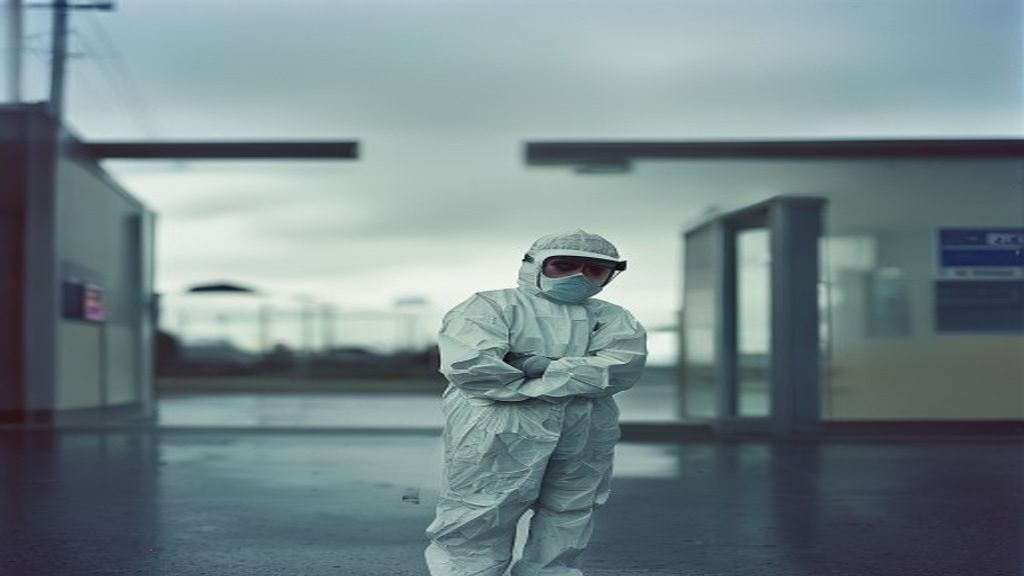
A health worker packs supplies in the dark. They wait for dawn to begin the journey into the conflict zone. The risk is high, but the mission is urgent. Every hour counts in stopping the spread.
The Bundibugyo virus strain is rare and severe. It is often fatal, making rapid detection crucial making rapid detection crucial[3]. The CDC confirmed outbreaks are occurring in both countries as of 15 May 2026.
The US Embassy in Uganda issued an update on 23 May 2026. The statement highlighted the challenges of coordinating aid in a war zone. Bureaucratic delays have hampered the delivery of essential equipment.
Global health security depends on early action. Past outbreaks showed that speed saves lives. The current delay threatens to reverse years of progress. Donors must act quickly to prevent a wider crisis.
The next few weeks will define the trajectory of this outbreak. Funding decisions and supply chain logistics are key. Failure to act could lead to a prolonged epidemic. The world cannot afford to wait.
Health workers on the ground are the first line of defense. They face both the virus and armed conflict. Their safety is paramount, but their work is indispensable. Support for these teams must increase immediately.
The path forward requires coordination and resources. Political will must match the scientific urgency. The cost of inaction far exceeds the price of intervention. Lives depend on the choices made now.
The next few weeks will define the trajectory of this outbreak. Funding decisions and supply chain logistics are key. The world cannot afford to wait.