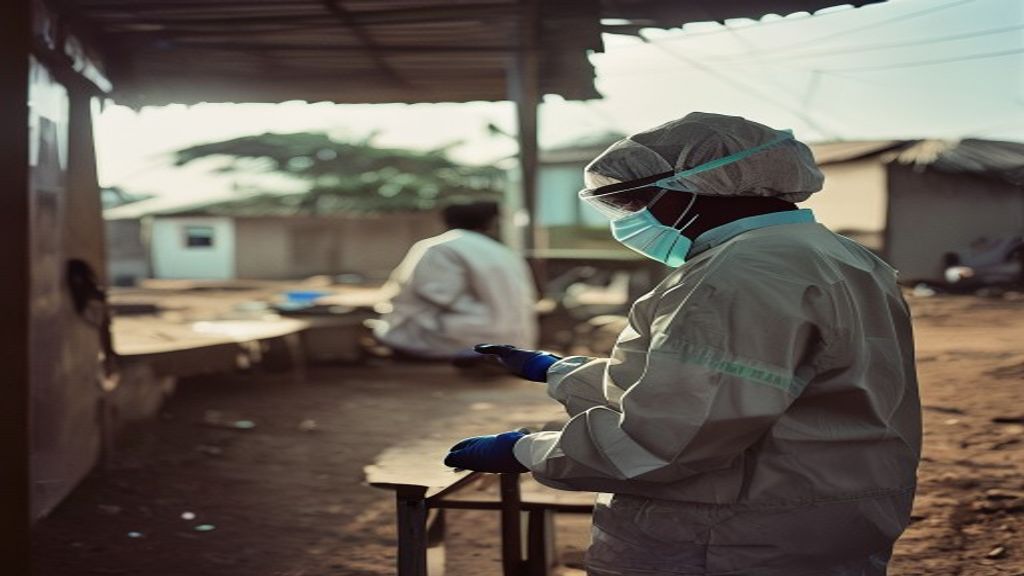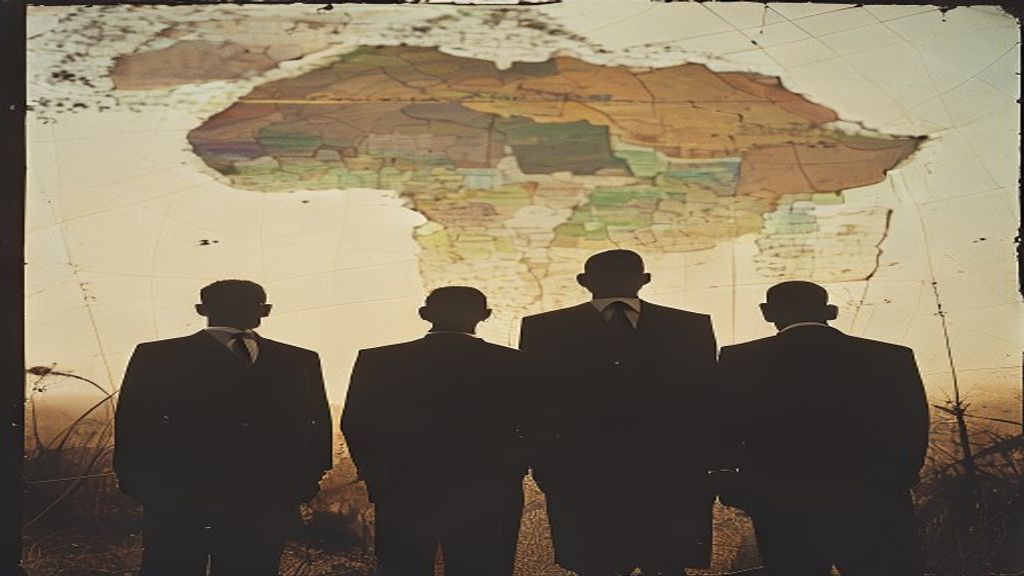
Health ministers from three nations met in Kampala to tackle a borderless virus. The Democratic Republic of Congo, Uganda, and South Sudan are now coordinating a unified response. A single mistake could allow the Bundibugyo virus to cross regional lines. This is not the Ebola strain most people recognize. The new agreement sets a 48-hour deadline for joint task forces to deploy. As officials move to secure porous borders, the focus remains on preventing a localized outbreak from becoming a regional catastrophe. The stakes involve the lives of thousands living in the remote, interconnected forests of the borderlands. Health ministers from three nations sat around a table in Kampala. They faced a virus that ignored their borders. The Democratic Republic of Congo, Uganda, and South Sudan joined forces. Their goal was to stop the spread of Ebola. The strain involved is Bundibugyo. It is rare but dangerous. The ministers knew time was short. They had to act fast. The stakes were high for the region. A failure here could mean disaster. They agreed to share data daily. This step changed the response timeline. It moved the effort from chaos to coordination. The meeting marked a turning point. Leaders put politics aside for public health. They focused on saving lives. The virus does not care about maps. It spreads through people and goods. Porous borders make control hard. Supplies must move across lines. Trucks carry medicine and tests. Drivers need clear permission. Delays cost lives in outbreaks. The ministers addressed this gap. They streamlined cross-border logistics. This allows faster aid delivery. The virus was spreading quietly. It hid in remote areas. Detection was slow at first. Now the response is unified. The World Health Organization helped organize the talks. The WHO hosted the Kampala meeting[1]. This brought global attention to the crisis. Experts from UNICEF were also present. They brought resources and plans. The Africa CDC joined the effort. Their role is regional coordination. These partners added weight to the talks. The ministers listened to their advice. They signed agreements on the spot. The Bundibugyo strain is tricky. It often mimics other fevers. Doctors can miss early signs. Testing is key to control. The new plan prioritizes rapid tests. These kits travel with teams. They reach villages quickly. Speed matters in Ebola outbreaks. Every hour counts for patients. The ministers understood this urgency. They cut red tape for supplies. Customs checks will be faster. This helps medical teams work. The region has seen Ebola before. Fatigue is a real risk. Communities may ignore warnings. Trust is essential for success. The ministers promised clear communication. They will update the public. Fear spreads faster than facts. Accurate information stops panic. The meeting ended with a plan. It was detailed and actionable. No vague promises were made. Specific tasks were assigned. Each country has a role. The DRC leads in its zone. Uganda monitors its border areas. South Sudan watches its entry points. This division of labor is clear. It prevents confusion on the ground. The virus respects no authority. It moves with travelers and trade. Markets are hotspots for spread. The ministers targeted these areas. They will increase screening there. Health workers will be deployed. They need protection and pay. The agreements cover these needs. Funding is still a challenge. The Global Virus Network urged support. The GVN called for global aid[3]. This includes money and research. Local teams are on the front line. They deserve international backing. The ministers agreed on this point. They will seek more funds. The outbreak is a shared threat. No nation can handle it alone. Isolation is not an option. Cooperation is the only path. The Kampala meeting proved this. It showed political will in action. The timeline shifted that day. Response became coordinated and swift. The virus faced a united front. This changes the odds for survival. Early detection is now possible. Cross-border tracking is active. The region is watching closely. The next phase is implementation. Plans must become reality. The ministers left Kampala with work. They returned to their capitals. Their teams are already moving. The clock is ticking for all. The virus waits for no one. The response must be faster. The agreement provides the tools. Now the work begins on the ground. Health workers are the key. They need support and safety. The ministers promised both. The region hopes for success. The world watches with concern. Ebola has struck before. It can strike again. Prevention is better than cure. The new plan aims to prevent. It stops spread at the source. This requires constant vigilance. The ministers agreed to stay alert. They will meet again soon. Progress will be reviewed. Adjustments will be made if needed. Flexibility is part of the plan. The situation is fluid. Data guides their decisions. The daily sharing helps this. It creates a real-time picture. Leaders can see trends. They can spot new clusters. Early action stops outbreaks. This is the core strategy. The meeting set the stage. The actors are in place. The script is written. Now the performance starts. The outcome depends on execution. The ministers have done their part. The rest is up to teams. They work in difficult conditions. Roads are often bad. Weather can block access. These hurdles remain real. The plan accounts for them. It includes contingency measures. Backup routes are identified. Supplies are pre-positioned. This reduces delay risks. The ministers were pragmatic. They focused on what works. Past outbreaks offer lessons. The region has learned much. This time the response is better. Coordination is the main improvement. It bridges the border gaps. The virus loses its advantage. It cannot hide in the seams. The net is tighter now. The ministers ensured this. Their collaboration is historic. It sets a precedent. Other regions can follow. Health knows no borders. This meeting proved that truth. The timeline changed in Kampala. The response is now unified. The fight has a new shape. It is stronger and faster. The virus faces a wall. That wall is cooperation. It stands firm in the region. The ministers built it together. Their work continues daily. The stakes remain high. Lives depend on their efforts. The world hopes for success. The region deserves it. The ministers delivered a plan. Now they must deliver results. The test begins now. The clock is running. The virus is still active. The response must be relentless. The ministers agreed on this. They will not rest. The fight is not over. It is just beginning. The timeline has shifted. The outcome is uncertain. But the effort is united. That is a good start. The region is ready. The tools are in place. The teams are mobilized. The next chapter is action. The ministers watched it unfold.
Why Bundibugyo demands a different playbook
The Bundibugyo virus is not the Ebola strain most people picture. It is a distinct species that primarily affects bats and rarely infects humans. This rarity makes it harder to spot. Health workers often mistake early symptoms for malaria or typhoid fever. The delay in diagnosis allows the virus to spread quietly. It moves through communities before anyone raises the alarm. The World Health Organization declared the current outbreak a Public Health Emergency of International Concern. This designation signals that the threat exceeds national borders. It requires a coordinated global response. The virus does not wait for paperwork. It spreads while officials debate definitions. Speed is the only defense.
The terrain works against the responders. The border region between the Democratic Republic of Congo and Uganda is dense and remote. Forests cover the land. Roads are few and often impassable. Rain turns dirt tracks into mud. Villages are cut off for weeks at a time. Supplies cannot reach them. Patients cannot reach clinics. This isolation creates blind spots. The virus thrives in these gaps. It spreads undetected in areas like Ituri Province in the DRC. Experts noted that the spread was largely invisible there. Local health systems are stretched thin. They have fought Ebola before. Community fatigue is real. People are tired of fear. They are tired of restrictions. Some refuse testing due to mistrust. Others hide sick relatives to avoid quarantine. This resistance slows containment efforts. It turns a medical crisis into a social one. Trust is as fragile as the supply chain.
The response must adapt to this reality. Standard protocols fail in this environment. Joint surveillance teams are now the priority. These teams cross borders freely. They share data in real time. They track the spread without bureaucratic delay. Shared laboratory testing is another key tool. Samples from Uganda can be tested in DRC labs if needed. This redundancy saves time. It reduces the risk of error. The Africa Centres for Disease Control and Prevention helped set up these mechanisms. The World Health Organization provided technical support. UNICEF focused on community engagement. Development partners offered funding. This coalition brings diverse strengths to the table. It moves beyond national silos. It treats the region as a single health zone. This approach is new for the area. It requires deep trust between governments. It requires sharing sensitive data. It requires admitting weakness. No country wants to look vulnerable. But the virus does not care about pride. It cares about opportunity.
Cross-border coordination is harder than domestic control. Domestic systems have clear chains of command. They share language and laws. They have established communication channels. Cross-border work lacks these advantages. Bureaucracy slows every step. Customs officials delay shipments. Visa requirements trap experts. Language barriers confuse messages. A health worker in Kampala may not speak the local dialect in Ituri. A nurse in Gulu may not understand protocols from Kinshasa. These frictions add up. They cost time. Time costs lives. One epidemiologist noted that the political machinery is the real bottleneck. The virus is fast. The politics are slow. Bridging this gap is the central challenge. It requires constant negotiation. It requires patience. It requires humility. The ministers in Kampala understood this. They sat together to fix the cracks. They knew that silence between borders is dangerous. They chose to speak.
The human face of this crisis is visible in small moments. A mother walks ten miles to a clinic. She carries a feverish child on her back. The road is muddy. The rain is heavy. She arrives too late. The child is already in isolation. The mother is tested. She is negative. She returns home. She tells her neighbors the truth. She says the clinic saved her child. This story spreads. It builds trust. It counters fear. Community leaders play a vital role here. They listen to residents. They explain the risks. They answer questions. They do not use jargon. They use plain language. They say "wash your hands" instead of "infection control". They say "stay home" instead of "social distancing". This simplicity works. It cuts through confusion. It builds cooperation. The response teams rely on these local voices. They cannot succeed without them. They are the bridge between policy and practice. They turn abstract plans into concrete action. They make the difference between life and death.
The Global Virus Network has called for greater support. They urge more financial aid. They ask for logistical help. They demand research funding. This support is critical. Local teams are doing the heavy lifting. They need resources to sustain their efforts. They need equipment to test samples. They need protection to stay safe. They need training to handle new cases. The current outbreak is rare. But it is not unique. History shows that Ebola returns. It returns when vigilance drops. It returns when funding dries up. It returns when communities are ignored. The region cannot afford complacency. The playbook must change. It must focus on prevention. It must focus on trust. It must focus on speed. The ministers in Kampala set the stage. The work continues on the ground. The teams are moving. The labs are open. The lines are open. The region is watching. The world should too. The stakes are high. The cost of failure is immense. The cost of success is manageable. The choice is clear. The path is narrow. But it is visible. The teams are walking it. They are walking it together.
What happens next for the region
Joint task forces are set to deploy within 48 hours of the Kampala agreement. The ministers left the table with a clear mandate to move fast. They know that speed matters more than perfection in an outbreak. The Bundibugyo virus does not wait for bureaucracy. It spreads through contact. It moves across borders. It ignores the lines drawn on maps. The health ministers of the Democratic Republic of Congo, Uganda, and South Sudan understood this reality. They agreed to act before the next case appeared.
The World Health Organization declared the outbreak a Public Health Emergency of International Concern. This status triggers global attention. It also unlocks emergency funding channels. The PHEIC declaration[5] signals that the threat is beyond national borders. It requires a coordinated regional response. The ministers used this moment to align their efforts. They did not just talk about cooperation. They planned it.
Rapid test kits are being shared between the three nations. These tools allow health workers to identify the virus quickly. Early detection saves lives. It stops chains of transmission. The Africa Centres for Disease Control and Prevention helped facilitate this exchange. Representatives from Africa CDC[1] were present at the meeting. They worked alongside UNICEF and other partners. The goal is to get supplies to remote clinics. The roads in the Ituri Province are difficult. The terrain is dense. The rain makes travel slow. But the supplies are moving.
The Global Virus Network has called for greater financial support. GVN experts urge rapid action[3] to contain the spread. They emphasize the need for logistical aid. They also highlight the importance of research. The Bundibugyo strain is rare. It primarily affects bats. It rarely infects humans. But when it does, the consequences are severe. The virus was largely undetected in the Ituri Province before it spread. The outbreak raises cross-border concern[3] because of this delay. The ministers know that silence is not enough. They need speed.
Transparency is the cornerstone of the new strategy. One minister stated that open communication is vital. They pledged to share data daily. This commitment builds trust. It allows for better decision-making. The health systems in the region are strained. They have faced previous outbreaks. Community fatigue is real. People are tired of fear. They are wary of testing. They refuse to cooperate sometimes. The ministers understand this dynamic. They plan to work with local leaders. They will use community voices to spread accurate information. This approach is slower than top-down mandates. It is more effective in the long run.
The risk of further spread remains high. Neighbours Rwanda and Kenya are neighbors. They share borders with the affected areas. If coordination fails, the virus could move there. The stakes are regional. not just national. The ministers left Kampala with a sense of urgency. They know that the work is just beginning. The first joint patrol is scheduled for tomorrow. It will cover a key crossing point. This move signals a new level of cooperation. It shows that the nations are united.
Funding pledges are still coming in. Development partners are reviewing the needs. The WHO and UNICEF are on the ground. They are assessing the gaps. They are identifying the priorities. The response must be sustained. Short-term fixes do not work. The virus requires a long-term strategy. The ministers agreed to meet again in two weeks. This follow-up will track progress. It will address new challenges. The timeline is tight. The pressure is high. But the path is clear.
The concrete details matter. The time of departure from the meeting was noted. The ministers left at 4 pm. They had been working since morning. The discussions were intense. The decisions were firm. The next steps are specific. The joint task forces will report back. The test kits will be distributed. The data will be shared. The region is watching. The world is watching. The response must be swift. It must be coordinated. It must be effective. The ministers have set the stage. Now the work begins.
The outbreak is rare but dangerous. The Bundibugyo virus is distinct. It requires specific protocols. The ministers have agreed on these protocols. They have aligned their resources. They have committed to transparency. The next 48 hours are critical. The deployment of teams will test the agreement. The sharing of supplies will test the logistics. The daily data sharing will test the trust. The region faces a challenge. But it also has a plan. The plan is in motion. The ministers are leading it. The health workers are executing it. The communities are waiting. The outcome depends on speed. It depends on cooperation. It depends on will.
The Global Virus Network's call for support is clear. Greater global support[3] is needed for the local response. This includes financial aid. It includes logistical help. It includes research assistance. The ministers have asked for this support. They have outlined the needs. They have presented the plan. The international community is listening. The response is building. The momentum is growing. The threat is real. But so is the resolve. The region is standing together. It is fighting back. The next chapter is being written. It will be written in action. Not just words. The ministers left Kampala with a mission. They are ready to lead. The health workers are ready to serve. The communities are ready to recover. The virus will be contained. It will be stopped. The end is in sight. But the work is not done. The fight continues. The region is united. The goal is clear. The path is forward.
The first joint patrol is scheduled to begin at a key crossing point tomorrow. Whether these rapid deployments can outpace the virus remains the central question for the region. The ministers will meet again in two weeks to review the initial results.