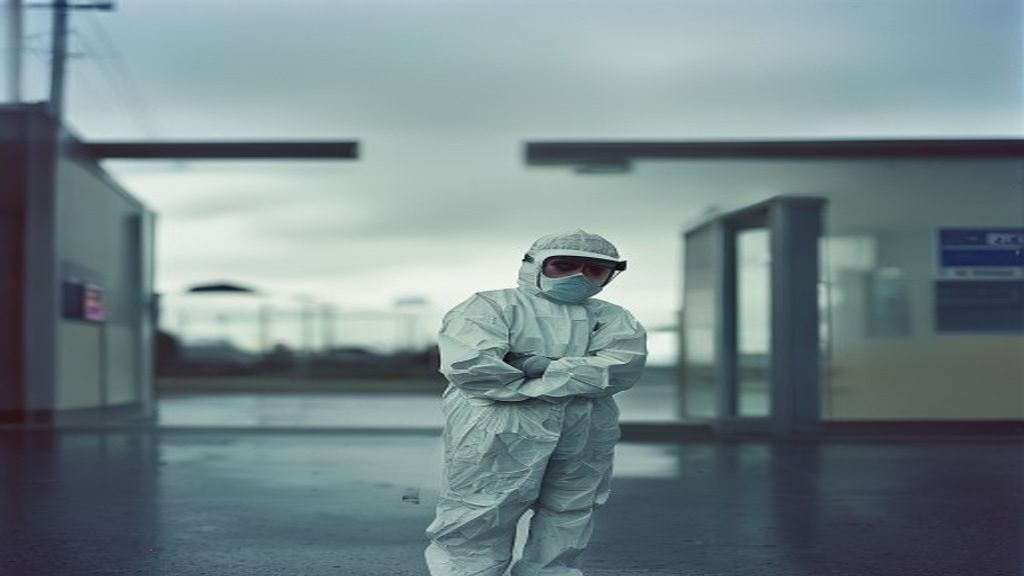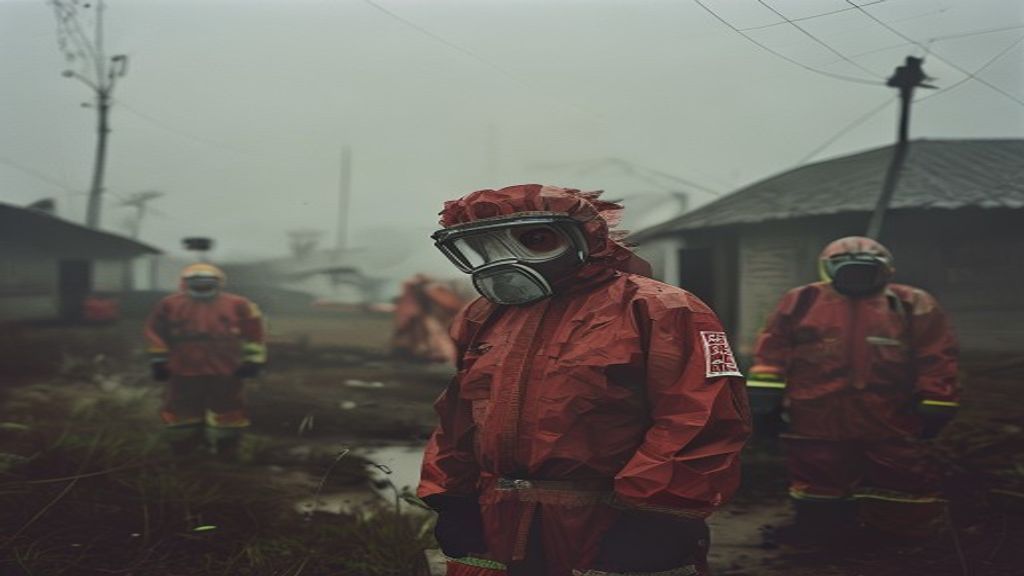
The WHO has declared an emergency following 139 suspected Ebola deaths. A sudden surge in cases has put health officials on high alert. The virus is spreading faster than containment efforts can keep up.
Health experts are now racing to handle the disease's severity. We look at the difference between suspected and versus confirmed cases and what the response looks looks like.
WHO Reports Surge in Ebola Cases and Declares Emergency
Ebola cases are rising across two African nations. The World Health Organization reported 600 cases[1] of the disease recently. This surge includes 139 suspected deaths.
Outbreaks are currently active in the Democratic Republic of the Congo and Uganda[3]. The virus is spreading through these regions. Health officials are tracking the movement of the Bundibugyo virus.
Global health leaders have responded to the growing threat. The WHO declared the epidemic a public health emergency of international concern[2]. This designation signals a critical level of risk.
Numbers are expected to rise.
Testing remains a significant hurdle for local teams. The WHO often cites higher numbers for suspected cases because limited testing capacity[4] persists in the affected areas. Confirming a single case can take several days or even weeks. This delay depends on sample transport logistics and PCR testing availability.
The virus leaves little room for error
Ebola is a severe disease that is often fatal. It belongs to a group of illnesses known as viral haemorrhagic fevers[5]. These infections cause high fever, severe headaches, and rapid onset of vomiting or bleeding.
Medical teams must act quickly. The CDC maintains that high vigilance[6] is necessary to detect new flare-ups. Without rapid detection, the virus can spread through communities before a response is even organized.
Testing remains a significant hurdle. Confirming a case can take several days or even weeks depending on how quickly samples can be transported to labs. This delay is why the WHO often reports higher numbers[4] for suspected cases.
A constant state of readiness
Health officials cannot afford to relax. While the previous West Africa outbreak is no longer a global emergency, the current situation in the DRC and Uganda requires constant monitoring. The risk of transmission remains low for travelers who avoid contact with sick people or animals.
Response capacity is the priority. Authorities are working to ensure that testing and treatment are available as soon as a new case appears. The goal is to stop the spread before it reaches a crisis level.
Frequently Asked Questions
Testing delays often lead to higher reported figures. The WHO often cites higher numbers[4] for suspected cases because of limited testing capacity in affected regions. This gap between suspicion and certainty is a major challenge for health officials.
Confirmation of a single case can take several days or even weeks. The process depends on PCR testing and the logistics of transporting samples to laboratories. Speed is essential to prevent further spread.
Distinguishing Ebola from other illnesses is difficult. Symptoms like high fever, severe headache, and rapid onset of vomiting are common to several hemorrhagic fevers[5]. This overlap makes early diagnosis a significant hurdle for frontline workers.
Travelers face a low risk of infection. The transmission risk remains low[4] if individuals avoid contact with sick people or animals. Staying away from known outbreak zones in the DRC and Uganda is the safest course of action.
Health officials continue to monitor the situation closely. New testing kits and improved transport routes are expected to reduce confirmation times.
The struggle for containment
Dr. Jean Bakari worked in a makeshift clinic near the border when the latest wave hit. He watched patients arrive with high fevers and rapid onset of vomiting. The lack of proper protective equipment made every interaction a risk.
Treating patients without adequate gear is a constant struggle. Bakari described the difficulty of managing severe cases while fearing for his own safety. He had seen the virus move through families in a matter of days.
Shortages of vaccines and diagnostic kits are hindering the containment effort. Without these tools, medical teams cannot quickly identify or stop the spread. The lack of testing capacity in rural areas remains a primary danger.
Supplies are also difficult to move. Logistics for transporting samples can take several days or even weeks. This delay makes it harder to track new clusters of the disease.
Community leaders are being engaged to build trust in medical interventions. Local authorities are working to ensure residents accept help from international teams. Success depends on this cooperation.
Trust is everything.
Without it, people may avoid isolation centres or hide symptoms from health workers. The goal is to create a unified response between doctors and the people they serve.
What to watch for next
Health officials are waiting for new data. The WHO is expected to release[1] a detailed epidemiological report this Friday. This document will provide the latest clarity on the spread of the virus.
Aid shipments are already moving. Large quantities of international medical supplies are currently in transit to the hardest-hit zones. These supplies include the diagnostic kits and vaccines needed to bolster local clinics.
Border security will tighten soon. The next round of health screenings at regional borders is scheduled to begin on Monday. Officials hope these checks will catch new cases before they cross into neighbouring territories.
Containment zones remain under heavy scrutiny. Authorities are monitoring the stability of these areas to prevent further clusters. The goal is to stop the virus from moving beyond its current reach.
The next round of health screenings at regional borders will begin on Monday. Officials hope these checks will catch new cases before they cross into neighbouring territories.