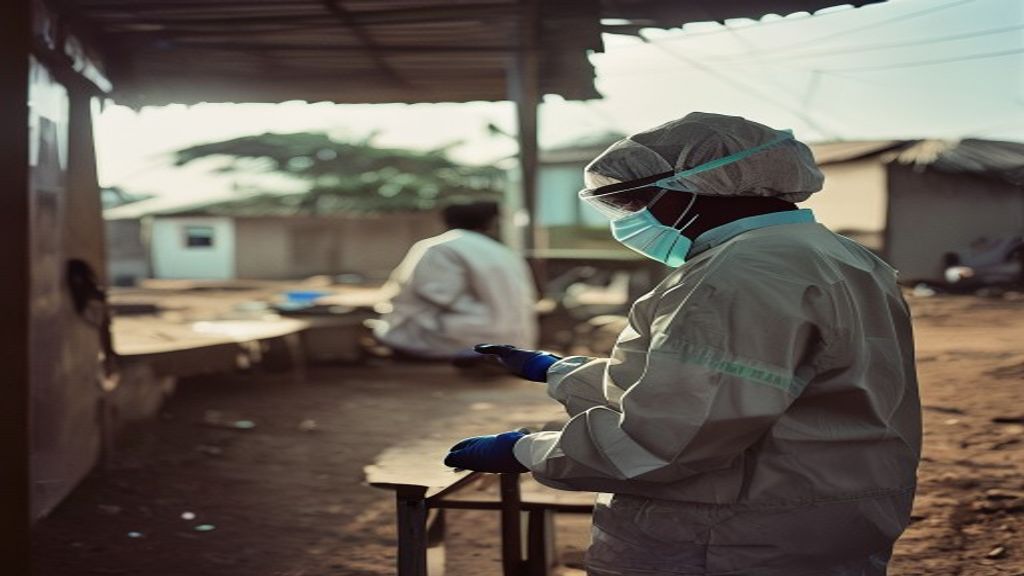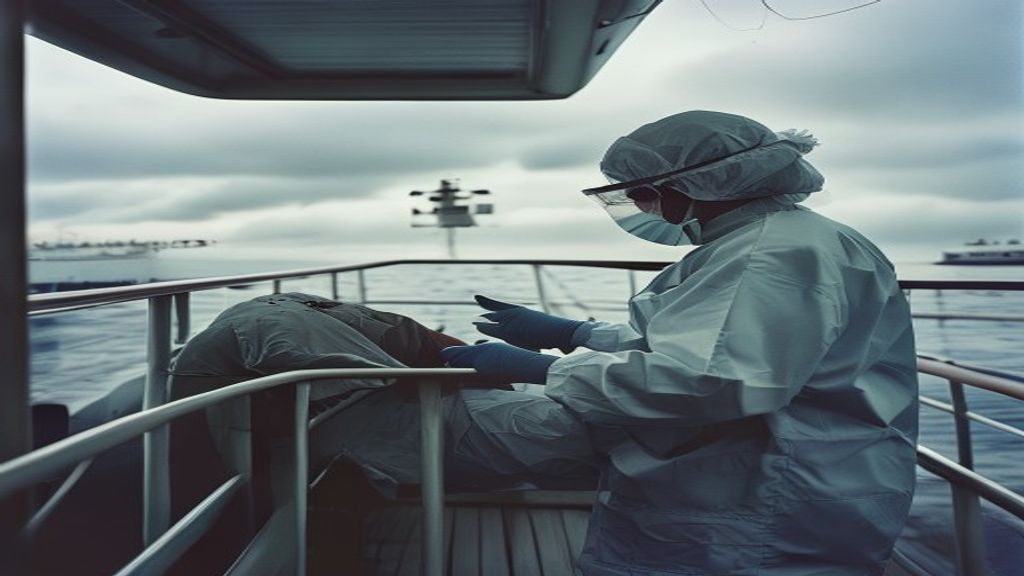
A woman is isolating on the Pitcairn Islands after Hantavirus exposure. The arrival of the MV Hondius has triggered strict health protocols across the remote British territory.
Local authorities are monitoring the situation closely to prevent any local spread. While the woman currently shows no symptoms, the local rodent population remains a 45-day concern.
Health officials are looking for any signs of fever or muscle pain. The community is waiting for the results of upcoming blood tests to determine the risk to the residents.
A remote territory on alert
A woman is currently isolating on the Pitcairn Islands[2]. She arrived on the MV Hondius ship. The British Overseas Territory[1] has placed her under strict health protocols.
Her isolation follows a potential exposure to Hantavirus. This rodent-borne virus can cause fever, muscle pain, and fatigue. The Pitcairn Islands government[1] confirmed she is following a 45-day isolation protocol[1].
No symptoms have appeared yet. The woman shows no signs of illness.
Health officials are monitoring the situation to prevent local spread. The UK Health Security Agency[1] is involved in the response. So far, no other confirmed cases have been reported in the territory since the ship arrived.
The threat remains unproven
Medical reports show no local symptoms or active spread within the population. The woman currently in isolation shows no signs of illness[2], according to the Pitcairn Islands government. No other confirmed cases have been reported in the territory since the ship arrived.
Health authorities are distinguishing between exposure risk and active infection. The tension lies between the known danger of the virus and the current lack of clinical evidence on the island. Officials are monitoring for fever, muscle pain, and fatigue.
Local medical staff are conducting routine checks on residents. They are looking for the specific symptoms associated with Hantavirus infections. The community remains under observation.
No one has fallen ill yet.
How the virus moves
Rodents carry the Hantavirus[1]. People typically catch it through contact with rodent urine or droppings. This makes the local animal population a central concern for the territory.
Health officials are currently assessing environmental risk factors across the islands. They are looking for any signs of increased rodent activity that could threaten the community. The goal is to identify potential breeding grounds before any local spread occurs.
Sanitation protocols have already changed. Local authorities reinforced cleaning and disinfection measures to reduce contact with contaminated surfaces. These steps aim to keep the small population safe while the woman completes her isolation.
Prevention is the priority.
Managing a tiny population
Containment on the Pitcairn Islands relies on extreme isolation. The territory's distance from major hubs makes tracking any potential spread a unique challenge. Local leaders are providing frequent updates to residents to help manage anxiety during the 45-day period.
Contact tracing is now a community-wide effort. Officials are following strict protocols to identify anyone who may have had contact with the woman from the MV Hondius[1]. Every movement is being monitored.
Logistics remain a constant hurdle for the British Overseas Territory. Specialist medical consultations and essential supplies depend on infrequent supply ships. If a crisis escalates, the island's lack of immediate access to advanced healthcare becomes a critical vulnerability.
No one is left guessing.
Health authorities are working to ensure that the small population remains protected. While the woman shows no signs of illness, the community remains on high alert until the isolation period ends.
What to watch for next
Health officials are monitoring for any secondary cases. They will announce immediately if any other residents show signs of infection.
No other confirmed cases have been reported following the ship's arrival. This remains the primary focus for the local medical team.
A new medical assessment is expected within the week. This check will evaluate the woman's health status and the current environmental risk.
The community is waiting for official confirmation. For now, the 45-day protocol remains in place.