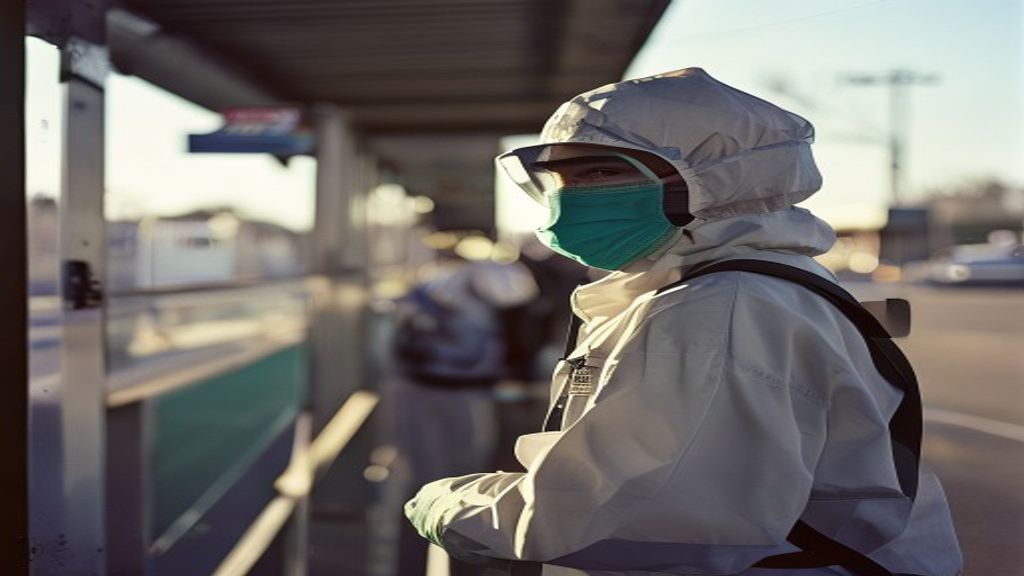
An American doctor tested positive for Ebola while working in the Democratic Republic of Congo. The infection comes as the CDC prepares to tighten border controls at major US airports. The risk to returning travellers is now a central concern for health officials.
New travel screening protocols are being launched to assess the risk to the United States. These checks mean anyone recently visiting the DRC will face closer scrutiny upon arrival. Officials are monitoring the situation as outbreaks continue in both the DRC and Uganda. The stakes for domestic safety are high.
An American doctor has contracted Ebola in the Congo
An American physician has tested positive for Ebola. The doctor was working in the Democratic Republic of Congo[2] when they were exposed to the virus.
Medical groups say the infection occurred while the doctor was treating patients in the region. The CDC describes Ebola disease[3] as severe and often fatal.
This case brings an immediate risk to US citizens traveling from the area. The CDC is currently assessing the risk the virus poses to the United States.
It is a direct threat.
Health officials are monitoring the situation as outbreaks continue in both the DRC and Uganda. The World Health Organization has already declared the outbreak a public health emergency.
International healthcare workers remain at high risk during these outbreaks. Dr. Trish Perl, an infectious disease specialist, previously led efforts to develop protective gear guidelines for those treating Ebola patients. The threat to medical staff remains persistent.
The CDC is tightening border controls
US border officials are launching new travel screening protocols at major international airports. The CDC is assessing the risk[10] posed by the virus to the United States. This move follows reports of an American physician testing positive after exposure in the DRC.
Health officials will monitor all passengers arriving from high-risk zones in Central Africa. The screening process includes temperature checks and symptom questionnaires for travelers. These measures aim to prevent the domestic introduction of the virus into US communities.
Prevention is the priority.
Agents are looking for even the smallest signs of illness. The agency is also monitoring outbreaks[3] occurring in both the DRC and Uganda. Every passenger from these regions faces closer scrutiny upon arrival.
Congress is already pushing for more coordination. Representative Ami Bera sent a letter to the Secretary of State and the CDC Director. He urged swift action to respond to the growing outbreak. The goal is to ensure the US response matches the scale of the epidemic.
The risk to returning travelers
Health advisories are now active for anyone recently visiting the DRC. The CDC is issuing specific warnings to help people identify potential exposure. The agency is also assessing the risk[10] posed by the virus to the United States.
Early detection remains the most critical tool for containment. Medical professionals warn that missing the first signs of illness could lead to local transmission. If symptoms are not caught immediately, the virus could spread within US communities.
Detection is difficult.
To prevent a domestic outbreak, the agency is coordinating directly with airlines. Officials want to identify high-risk passengers while they are still mid-flight. This allows for immediate intervention before a plane even touches down on American soil.
The stakes are high for those arriving from Central Africa. The CDC describes Ebola disease as severe[3] and often fatal. Every moment of delay increases the danger to the public.
A growing outbreak in the region
Local health authorities in the Congo are reporting rising case numbers. The virus is spreading through several provinces. This expansion has already hit rural clinics in the affected areas.
International aid groups are struggling to reach the most remote locations. Poor infrastructure makes it difficult to deploy medical resources quickly. Many of these communities remain isolated from central support.
Political instability is also complicating the response. The US government is monitoring how regional unrest impacts the delivery of aid. Representative Ami Bera[4] has already urged swift and coordinated action to address the crisis.
Resources are stretched thin.
Health workers are trying to manage the surge with limited supplies. The scale of the movement in the region makes containment a massive challenge for local teams.
What happens next for US borders
Health officials are preparing for potential quarantine protocols. If travelers arrive with symptoms, they may face mandatory isolation to prevent domestic spread. The agency is currently assessing the risk posed by the Ebola virus in the DRC[10] to the United States.
New travel restrictions remain a possibility. Officials will monitor the case count in the Congo closely. If the number of infections rises, the government may introduce stricter border controls for passengers arriving from high-risk zones.
The CDC will review the effectiveness of current screening measures in the coming weeks. This assessment will determine if temperature checks and questionnaires are enough to stop the virus. The goal is to ensure that the <a href="https ":https://www.cdc.gov/ebola/situation-summary/index.html">severe and often fatal disease does not enter US communities.
All eyes are on the medical team in the Congo. The next official update on the American doctor's condition is expected on Friday.
The CDC will review the effectiveness of these screening measures in the coming weeks. This assessment will determine if temperature checks and questionnaires are enough to stop the virus. The goal is enough to ensure the presence of the disease does not enter US communities.