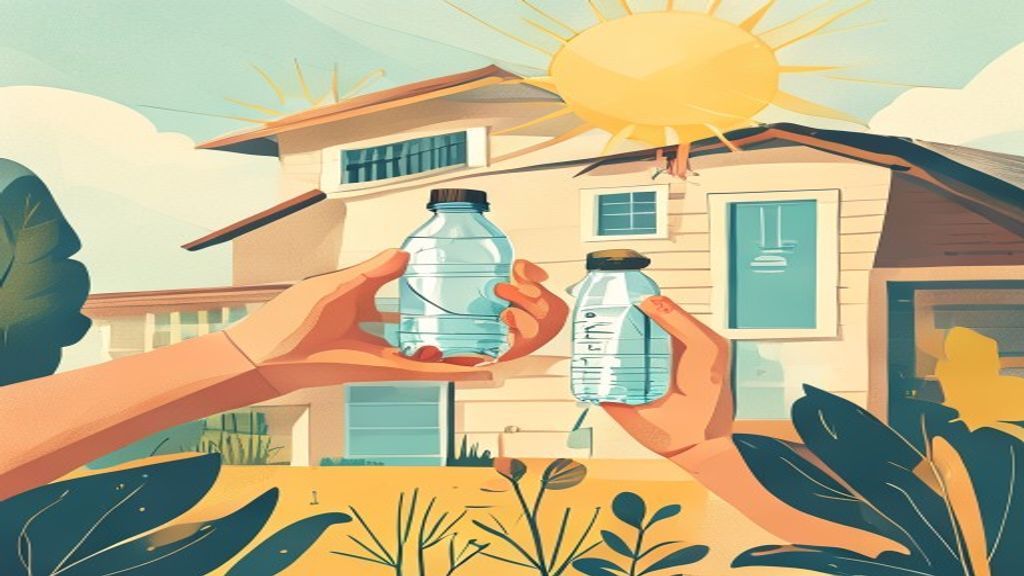
Elena, 68, checked her thermometer at 2 pm. The reading was 38°C. These sudden shifts threaten your health and your home. You must know how to spot the subtle physical warning signs. We will show you how to identify heat exhaustion before it becomes a crisis.
The heat hits fast and hard
In the United States, heat kills more people annually than hurricanes, tornadoes, and floods combined. The danger arrives without warning. A localized heat burst[1] can cause temperatures to climb rapidly through sudden, hot downdrafts.
Staying safe requires immediate action. This guide covers how to recognize danger signs, protect vulnerable groups, and act quickly to prevent injury.
Why the mercury jumps overnight
Cities trap warmth through human development. Heat islands[2] occur when concrete and asphalt absorb solar energy during the day and release it slowly at night. This process keeps urban temperatures significantly higher than surrounding rural areas.
This heat does not dissipate easily. When nights fail to cool down, the human body cannot recover from daytime exposure. This lack of nocturnal relief creates a dangerous cycle of continuous thermal stress.
Climate changes are making these events more frequent. Extreme heat[3] is now classified as a climate health hazard because of its increasing intensity. These rising temperatures contribute to more frequent and severe heat waves.
Urban areas face the brunt of the impact. Some communities bear more consequences[8] than others due to the density of heat-trapping infrastructure. The lack of greenery in these zones makes the heat more persistent.
Spotting the signs before it is too late
Heat exhaustion begins with subtle changes in how your body feels. You might notice heavy sweating or skin that feels cold and clammy. A fast pulse and nausea often follow. These symptoms are the body's first warning that it is struggling to cool itself.
Heat stroke is a much more dangerous medical emergency. This condition occurs when the body temperature rises to dangerous levels. During a heat stroke, the skin often becomes hot, red, and dry. You may also experience confusion or a total loss of consciousness.
Recognizing the difference can save a life.
If you feel dizzy and your skin is dry, call 911 immediately. The Virginia Department of Health[4] notes that symptoms like vomiting and fainting are critical indicators of heat-related illness. Acting quickly prevents the condition from worsening.
Do not wait for a crisis to occur. Monitoring your physical state during a temperature spike is vital for staying safe.
Who is in the greatest danger
Elderly adults and young children face the highest risks during temperature spikes. These groups often have a reduced ability to regulate body temperature effectively. Children also face a surge in preventable injuries during warm months according to MSU research[5].
Chronic illnesses create additional vulnerability. Managing diabetes in extreme heat[6] requires specific, extra steps to stay safe. Certain medications can also interfere with how the body maintains hydration.
Outdoor workers remain at constant risk.
Construction crews, delivery drivers, and athletes face high exposure to direct sun. The California Department of Industrial Relations[7] reminds employers that they must protect staff from heat illness during these periods.
Medical facilities are already seeing the impact.
A triple-digit heat wave in the Southwest in late 2024 caused a spike in heat-related ER visits[9]. This surge highlights how quickly a heat spike can become a public health crisis.
Inequality also plays a role in who suffers most. Some communities bear a heavier burden of the consequences because of how urban development is structured.
Cool down fast and stay safe
Drinking water is the first line of defence against rising temperatures. Avoid sugary or alcoholic drinks, as these can accelerate dehydration. Stick to plain water or electrolyte-heavy fluids to maintain balance.
If your home becomes too warm, seek air-conditioned environments immediately. Public libraries, shopping malls, and designated cooling centres offer essential refuge. These spaces provide a stable temperature when outdoor heat becomes unmanageable.
Physical cooling methods can prevent heat-related illness from escalating. Apply cold, wet cloths to your neck and wrists. Using misting fans or taking cold showers helps lower your core temperature quickly.
Don't rely on myths.
Many people mistakenly believe salt tablets or excessive caffeine are helpful. In reality, caffeine can act as a diuretic and increase fluid loss. Rely on proven hydration and cooling techniques instead.
Checking on others is a vital part of community safety. Look in on neighbours, particularly those living alone or in homes without air conditioning. A quick knock on the door can identify someone struggling with the heat before it becomes an emergency.
For those managing chronic conditions, specific precautions are necessary. Managing diabetes in the heat[6] requires careful monitoring of hydration and temperature. Staying ahead of the heat starts with immediate action.
Prepare for the next heat wave
Safety begins with a clear plan before the temperature rises. Knowing exactly where to go when your home becomes too warm can prevent a crisis. Locate your nearest cooling center[2] or air-conditioned public space today.
Preparation requires more than just awareness. You should stock up on extra water, batteries for fans, and a basic first-aid kit. Having these supplies ready ensures you can manage sudden spikes without a trip to the store.
Monitoring local weather alerts is equally vital. Sign up for emergency notifications from your local municipality to receive warnings about incoming heat waves or sudden temperature shifts.
Don't wait for the heat to arrive.
Check your air conditioning filters this weekend. A clean system works more efficiently to keep your living space safe.
The next heat wave is inevitable. Preparation starts with checking your air conditioning filters and stocking up on water. Staying ahead of the heat starts with immediate action.