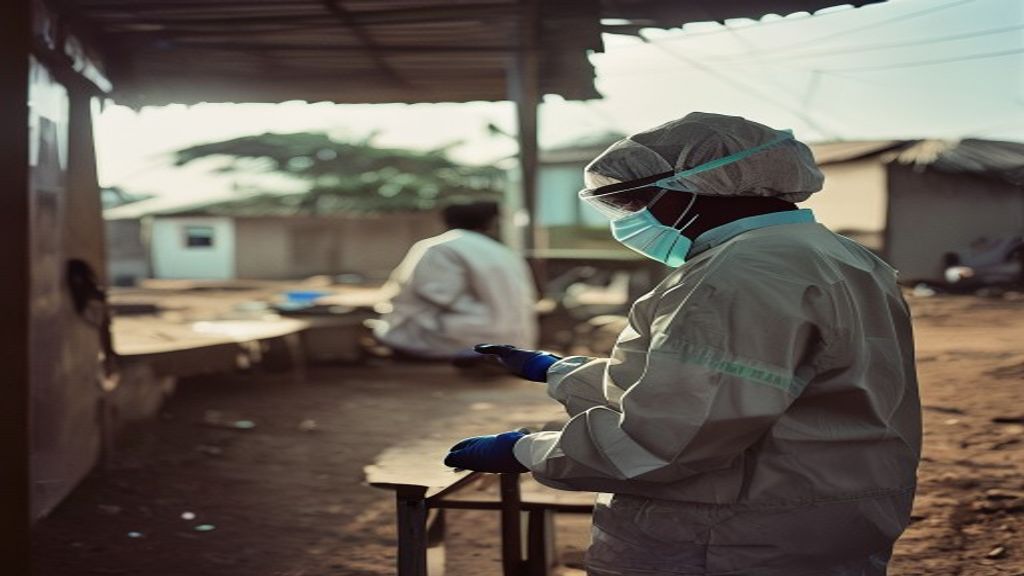
US passengers on the MV Hondius are trapped in a sudden sea lockdown. The quarantine follows a positive test for the Andes virus on board. Authorities are now managing a strict biocontainment effort to prevent a wider outbreak.
Travelers are currently confined to cabins as the ship's itinerary stalls. The detection of the hantavirus strain has halted movement across the vessel. This isolation comes as health officials work to ensure the virus does not reach mainland ports.
Here is what life looks like inside the quarantine zone and what happens when the vessel finally docks.
A sudden lockdown at sea
US passengers on the MV Hondius[4] are under quarantine orders. The vessel's crew and passengers are currently isolated following the detection of the Andes virus. Authorities are working to prevent the virus from reaching mainland ports.
One U.S. citizen tested positive[1] for the virus. Another passenger is also showing mild symptoms of the hantavirus. The outbreak was first reported on May 2, 2026[6].
Isolation is mandatory.
The Nebraska Biocontainment Unit[1] has been activated to manage the situation for the Americans on board. This move follows the ship's arrival in Spain on Sunday[7]. Health officials are monitoring the vessel closely to manage the risk.
While the situation is serious, the World Health Organization[5] states the risk to the public remains low. The primary concern is the potential spread of the virus during docking and disembarkation. Officials are coordinating with the ship's captain to maintain strict biocontainment protocols.
The virus that triggered the alert
One passenger tested positive for the Andes virus[1]. This discovery followed an outbreak report on May 2, 2026. Another person on the MV Hondius is currently showing mild symptoms of the hantavirus.
This specific strain of hantavirus is a serious concern for those on board. While the World Health Organization[5] states the risk to the general public remains low, the virus can spread through contact with infected rodents or their waste. The presence of the virus on the vessel prompted immediate medical scrutiny.
Health officials began monitoring the ship's movement as it traveled. The alert was issued while the vessel was still at sea. Authorities tracked the ship until it docked in Spain on Sunday[7].
Precise testing confirmed the infection. The Nebraska Biocontainment Unit has already activated its protocols to prepare for the arrival of U.S. citizens. They are ready to manage the specific needs of the passengers and crew.
Health officials monitor the situation
Health authorities are working with the ship's captain to manage biocontainment. They are coordinating closely to prevent any spread of the virus. The World Health Organization states the risk to the public is low.
Local epidemiologists are providing factual updates to prevent panic. They are monitoring the vessel's movement closely. One passenger has already tested positive for the Andes virus[1].
Testing protocols are currently being used for all passengers on board. Another individual is showing mild symptoms of the hantavirus. Medical teams are watching for any new developments.
Supplies are being managed to support the quarantined group. The Nebraska Biocontainment Unit has been activated[1] to prepare for arrivals. This unit will handle the specific needs of the U.S. citizens.
Life inside the quarantine zone
Passengers on the MV Hondius are navigating a sudden, isolated existence. The ship's usual itinerary has stalled. Most travelers are confined to their cabins or restricted common areas to prevent any contact between groups.
One passenger, a 52-year-old man from Utah, described the moment the lockdown began. He was sitting on the upper deck when the announcement came over the intercom. The usual evening music stopped abruptly. He watched as crew members began sealing off certain corridors with plastic sheeting.
Everything changed in minutes.
Supplies are now a primary concern for the crew. Maintaining food and water levels requires strict coordination with the ship's logistics team. Every delivery must follow specific sanitation protocols to ensure no contamination occurs during the transfer.
This isolation has also disrupted the vessel's arrival schedule. The ship, which docked in Spain on Sunday[7], cannot proceed to its next scheduled port. Authorities are monitoring the vessel's movement closely to ensure the safety of mainland populations.
What happens when the ship docks
Passengers will face secondary screening upon arrival. Authorities will check every individual for symptoms before anyone leaves the vessel. This process ensures no new cases enter the local population.
Disembarkation remains subject to strict health protocols. The crew and passengers must pass through medical checkpoints to clear the quarantine zone. No one will be permitted to enter mainland ports without official clearance.
Families are looking for answers. The ship's operators and maritime authorities are coordinating updates through official communication channels. These channels will provide the most recent information regarding passenger status and movement.
Monitoring continues.
Health officials will release the next formal report on the vessel's status following the next scheduled inspection. This update will confirm if the quarantine period can end or if further isolation is required. The World Health Organization[5] maintains that the current risk to the public remains low.
Health officials will release the next formal report following the next scheduled inspection. This update will confirm if the quarantine period can end or if further isolation is required. The World Health Organization maintains that the current risk to the public remains low.