This move aims to show the difficult reality of policing in London. It follows growing pressure for greater police accountability. Londoners can now watch the Met's most challenging police encounters online. A new dedicated portal allows anyone to search the archive. You can filter clips by date, location, or incident type to see the raw video for yourself.
Met Police Announces Expansion of Online Bodycam Archive
The Metropolitan Police will publish more body-worn camera footage online. The force aims to show the public the difficult reality of policing. Officials say this move helps explain the very challenging role officers face[1] during daily operations.
This expansion builds on existing transparency efforts. The Met has previously released clips to clarify specific incidents. Now they are increasing the volume of available material. The goal is to provide a broader picture of police work. This includes high-pressure situations that rarely make the news.
Critics worry about privacy and safety risks. Releasing more video could expose officers to public scrutiny. It might also reveal sensitive operational details. The force must balance transparency with these concerns. They argue that context matters more than secrecy.
Public trust in policing has fluctuated in recent years. Visual evidence can bridge the gap between perception and reality. When people see the raw footage, they often understand the constraints officers face. This includes split-second decisions in chaotic environments.
The Met hopes this strategy will change the narrative. Instead of focusing only on controversies, the public might see the routine challenges. This includes dealing with mental health crises and violent confrontations. The footage serves as a direct line to the street level.
Officers on the ground have mixed feelings about the release. Some welcome the chance to defend their actions. Others fear the footage will be taken out of context. Social media can amplify isolated moments without showing the full story.
The decision reflects a broader trend in law enforcement. Many departments are using technology to build public confidence. The Met is no exception to this shift. They want to demonstrate accountability while protecting their staff.
More videos will likely appear in the coming months. The force has not specified a timeline for the next batch. They will continue to assess the impact of each release. Feedback from the public and internal reviews will guide future steps.
This approach tests the limits of open policing. Can transparency improve relations without compromising safety? The Met believes the answer is yes. They are willing to take that risk for the sake of trust.
The Met has set up a dedicated online portal for the public to view the clips. Users can search the archive by date, location, or incident type. The system makes it easy to find specific encounters without digging through files.
Most of the footage is open for anyone to stream. The force wants to show what officers actually face on the street. This direct access removes the filter of news reports or social media rumors. People can see the raw video for themselves.
Privacy rules still apply to sensitive cases. Some clips remain redacted or restricted if investigations are ongoing. The Met balances transparency with the need to protect individuals involved. This means not every second of every shift will be public.
The portal acts as a central hub for accountability. It allows citizens to verify claims about police conduct. The search tools help users track patterns across different boroughs. This level of detail was not available before the expansion.
The force expects the library to grow over time. More cameras mean more data to process and publish. Officials say the goal is consistent access to information. The system is designed to handle that volume efficiently.
Critics will watch how strictly the privacy filters are applied. Too much redaction could undermine the transparency goal. Too little could endanger sources or officers. The Met must find the right balance as it scales up.
The next batch of videos is due soon. The portal will update automatically as new clips are cleared. Users can bookmark specific incident types for easier tracking. This feature helps researchers and journalists monitor trends.
The technology behind the portal is standard but effective. It uses simple tags to categorize each video. This makes the archive searchable without complex queries. The interface is built for speed and clarity.
Public trust depends on how well the system works. If the portal is clunky or slow, engagement will drop. The Met needs to keep the platform user-friendly. Technical glitches could distract from the content itself.
The release strategy is still evolving. Officials have not set a fixed schedule for updates.
Context: The Push for Police Transparency
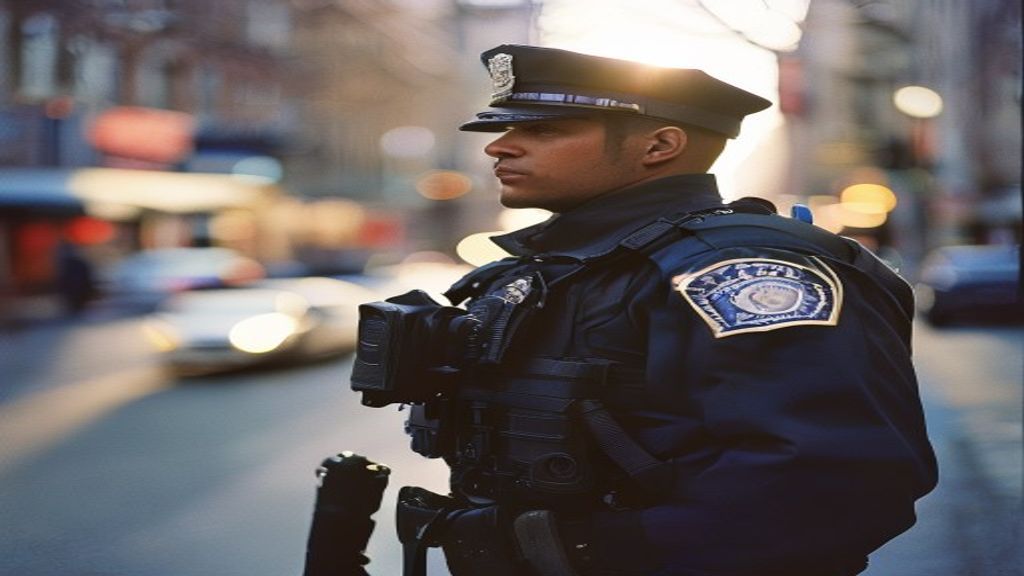
This demand has turned body cameras into a top priority for departments across the country. The technology is no longer optional. It is becoming standard equipment. Four out of the ten largest police forces plan to outfit most or all of their sworn officers with cameras in the next year according to a comparative study of major programs[2].
The goal is evidence-based policing. Video provides an objective record of interactions. It removes reliance on memory or conflicting accounts. This clarity helps resolve disputes faster. It also protects officers from false accusations.
The trend shows no signs of slowing. Forces recognize that transparency builds trust. When the public can see the reality of street policing, misconceptions fade. The footage becomes a tool for education as much as enforcement.
The rollout is accelerating. Departments are investing in storage and training. They are updating policies to match the new reality. The focus is on consistency. Every officer needs the same tools. Every interaction needs the same level of documentation.
This shift changes the dynamic between police and communities. It moves the conversation from hearsay to fact. The camera does not lie. It captures what happened. That simple truth is reshaping public expectations.
The next phase involves wider adoption. Smaller forces are watching the leaders. They are preparing their own rollout plans. The infrastructure is being built. The culture is changing.
The question now is how quickly the rest of the country will follow. The largest forces are setting the pace. Others have little choice but to keep up. The standard is rising.
The next batch of videos is due soon. The portal will update automatically as new clips are cleared. Users can bookmark specific incident types to track trends in London policing.