US Air Force rescuers pulled 11 people from Atlantic waters on Tuesday. The plane crashed off the Florida coast, leaving a field of wreckage behind. Emergency crews raced to the scene 80 miles from the shore.
As survivors arrive in local hospitals, federal investigators are now scouring the debris. They are searching for the exact cause of the crash.
Eleven survivors pulled from Atlantic waters
First responders rescued 11 people from a plane that crashed into the ocean off the Florida coast on Tuesday afternoon. The crash occurred Tuesday[1] during a short flight between two islands. The aircraft went down after only 20 minutes in the air.
Survivors spent hours clinging to a floating life raft. They had no idea if help was coming while drifting in the Atlantic. The passengers were part of a flight that ended abruptly when the plane hit the water.
Rescue crews from the 920th Rescue Wing[3] located the group about 80 miles from Melbourne. The mission took place in difficult maritime conditions. All 11 victims were found on a single raft.
Every person was pulled from the sea and given immediate medical assessments. The crew worked to extract the survivors to safety despite the challenging environment. No injuries were immediately reported for the airmen involved in the extraction.
The 920th Rescue Wing led the mission
Air Force Reserve Command units responded to the emergency on Tuesday afternoon. The 920th Rescue Wing[3] received the alert about the crash roughly 80 miles from Melbourne. The call triggered an immediate deployment of personnel and aircraft.
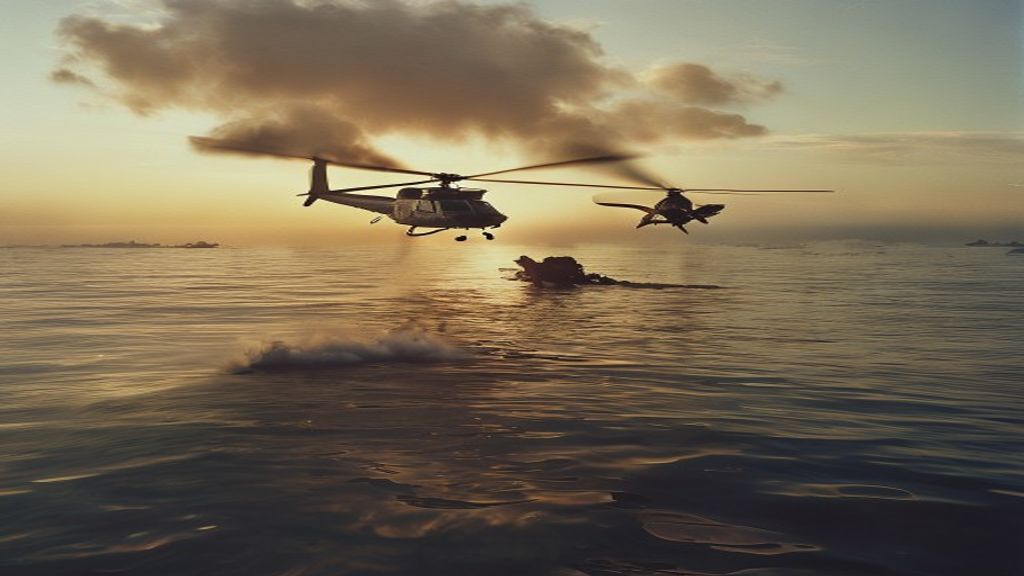
Rescue helicopters and support vessels moved toward the site to begin the extraction. The operation involved multiple aircraft working in coordination to scan the water. Every minute mattered as the crew searched for the drifting raft.
Rescue swimmers played the most critical role in the water-based extraction. They entered the Atlantic to reach the survivors directly. The crew found all 11 victims gathered on a single floating life raft.
It was a massive undertaking.
The scale of the mission required intense coordination between air and sea assets. While the aircrews searched from above, support vessels helped manage the perimeter of the crash site. The team worked to pull every individual from the sea to safety.
A scene of chaos at sea
Finding the survivors was a struggle. The 11 victims were huddled on a single raft[3]. This small target was difficult to spot against the vast, dark ocean.
Panic gripped the raft. The passengers had no idea if help was coming. They had already spent hours adrift after their short flight ended in disaster.
Chaos defined the extraction process. Aircrews fought heavy swells to hover precisely over the survivors. The physical strain on the rescuers was immense.
Every second counted.
Investigators look for the cause
Federal authorities are now examining the wreckage for answers. The investigation into the crash off the coast of Melbourne[2] began immediately after the survivors were pulled from the sea. Investigators are working to determine why the aircraft went down.
No immediate cause for the engine failure or the impact has been identified. The aircraft was on a short 20-minute flight between two islands[1] before the disaster occurred. This brief duration leaves very little time to analyze the flight path.
Federal aviation authorities are analyzing debris found near the site. They are looking for mechanical flaws or pilot error. The wreckage remains a primary focus for the recovery teams.
Uncertainty remains.
Investigators must also reconstruct the final moments of the flight. The plane was traveling through the Atlantic when it struck the water on Tuesday, May 12, 2026. Every piece of recovered metal could hold the key to why the flight ended so abruptly.
What happens to the survivors now
All 11 survivors were moved to local Florida hospitals for treatment. Doctors are monitoring the group for physical injuries and psychological trauma. The rescue, which took place off the coast of Melbourne, left the passengers with significant stress.
Medical teams are checking for injuries sustained during the impact and the hours spent on a life raft. The passengers had no idea if help was coming while they drifted. Physical recovery is only the first step.
Investigators are now working to piece together the wreckage. Federal authorities will analyze the debris to find the cause of the crash. The official accident investigation report will follow this technical assessment.
Air Force personnel are coordinating with local emergency services to manage the aftermath. This partnership ensures that all medical and logistical needs are met. The focus remains on the 11 people who survived the Atlantic waters.