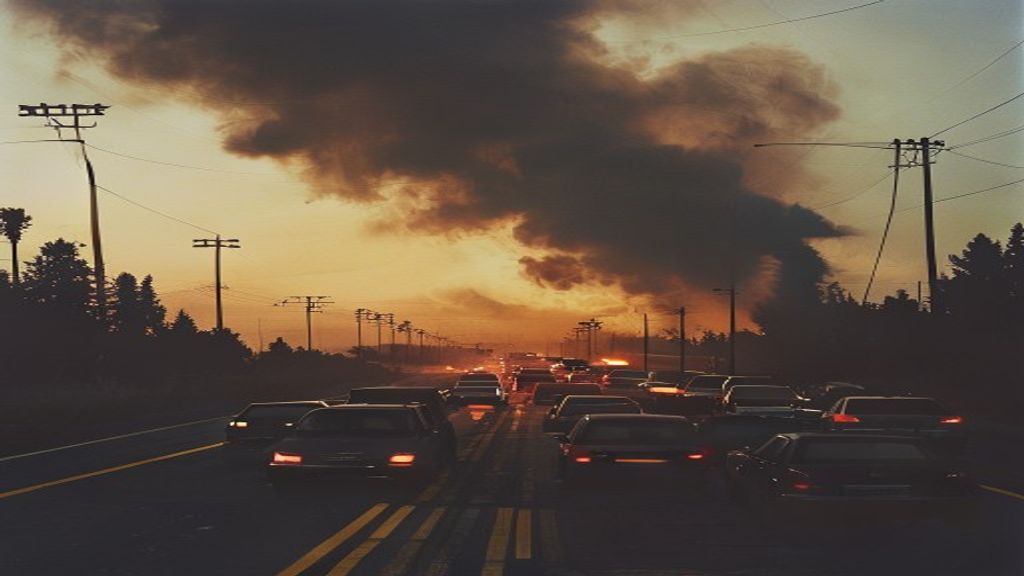
Blackened steel and ash mark a tragedy where six families once lived. Six months after flames gutted the apartment block, families return to search for fragments of lives lost.
For many, the physical destruction is secondary to the permanent loss of history. The fire destroyed 45 residential units and left a void in the local community.
The smoke has cleared but the loss remains
He looked up at the hollowed-out windows of the tenth floor. That unit once housed his parents and two siblings. Now, only blackened steel and ash remain where their living room stood.
The fire destroyed 45 residential units across the building. It left dozens of families searching for a sense of permanence in a city that rarely stops moving.
Lee searched for any sign of the familiar layout of his childhood home. The structural damage made it hard to find the entrance.
Everything is gone.
He remembers the vibrant streets outside the building before the sirens arrived. Now, the area is a silent construction zone cordoned off by yellow tape.
The loss of property is only part of the weight. Every charred pillar represents a broken routine and a lost memory.
A room that no longer exists
Lin Mei, 42, reached out to touch a blackened door frame. Her fingers brushed against the rough, carbonized wood where the entrance to her daughter's bedroom once stood.
Everything in the hallway was hollowed out. The air inside the structure carried a heavy, lingering scent of soot and wet ash. It clung to the back of the throat with every breath.
Where a dining table once sat, only a pile of grey debris remained. The silence of the site was heavy, broken only by the distant sound of traffic from the street below.
Family heirlooms and simple comforts were gone. A silver locket, passed down through three generations, was among the items lost to the heat.
Nothing survived the intense temperature of the blaze. The floorboards were stripped to the concrete. It was impossible to find a single piece of recognizable furniture.
Before the fire, this floor was a hub of activity. Mei remembered the sounds of morning tea being prepared. That life had been replaced by a void of ash.
The night the sirens wouldn't stop
Smoke first entered the apartment through the vents at midnight. The family woke to the sound of a persistent, rhythmic clicking from the kitchen.
Chan sped down the narrow stairwell with his children close behind. The air grew hot enough to sting his eyes. He could not see more than two steps ahead in the dark.
Panic gripped the residents as the heat intensified. Most families scrambled toward the emergency exits, but the smoke made the descent treacherous.
Twelve fire engines arrived at the building shortly after the first alarm. Their sirens created a deafening wall of sound that drowned out the shouting neighbors.
Chan reached the ground floor only to find the street blocked by fleeing crowds. He watched as a plume of orange light erupted from the fourth floor.
He saw the silhouettes of neighbors trapped on balconies. The realization that the fire was out of control silenced his shouting.
Emergency crews worked for hours to contain the spread. By dawn, the smoke had settled, leaving only the smell of ruin.
Questions about safety and oversight
Official reports point toward preventable failures. Investigators focused on faulty electrical wiring and blocked fire exits within the high-rise structure.
Building owners and regulators face growing scrutiny. Many residents claim that safety inspections failed to identify the blocked stairwells before the blaze began.
Safety concerns are not unique to this building. High-rise fire risks remain a persistent threat across Hong Kong.
Other residents in neighbouring towers are now taking action. They have organised group meetings to demand immediate audits of their own exit paths.
Local campaigners say the current oversight is insufficient. They are calling for stricter penalties for landlords who neglect essential fire safety maintenance.
No new regulations have been introduced since the fire.
Some tenants have begun installing private smoke detectors and secondary battery-powered lights. They no longer trust the building's central systems to protect them during an emergency.
The long road to rebuilding
Demolition crews began clearing the lower floors of the high-rise last Monday. The heavy machinery moves debris into containers for disposal. No plans for reconstruction have been confirmed by the property owners.
Li, the father, and his family now live in a small rental flat in Kowloon. The space is cramped and lacks the views they once had.
Life in the apartment remains unsettled. They have not yet purchased new furniture for the bedrooms. Every loud noise from a passing truck causes them to pause.
Neighbors in the surrounding towers feel the same tension. Many residents now keep extra fire extinguishers near their front doors.
Trust in the city's high-rise safety remains broken.
The official inquiry report is expected to be published in November. Authorities have not yet released the final findings of the investigation.