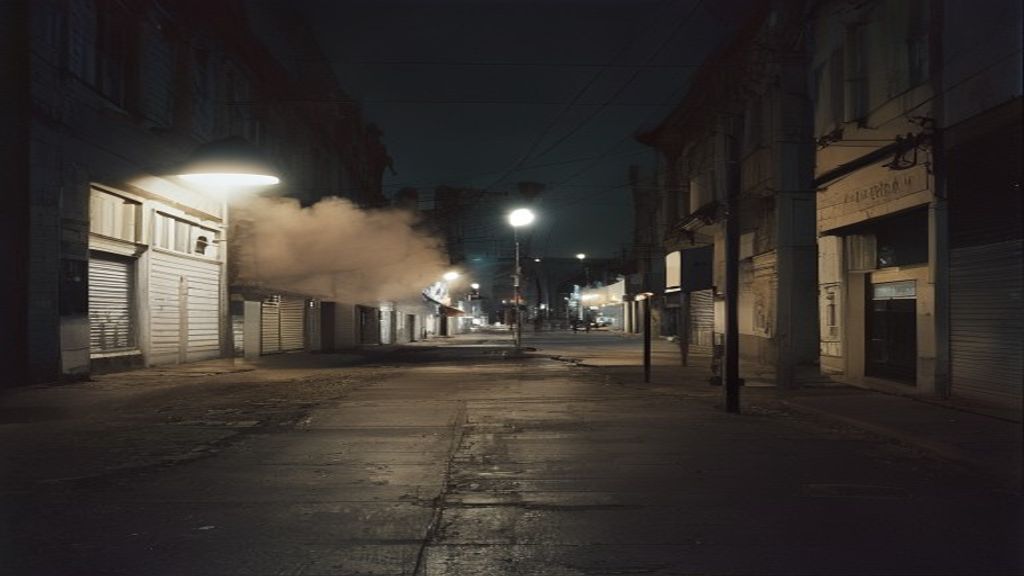
Russia has ordered foreign nationals to evacuate Kyiv immediately. Moscow issued a direct threat of retaliatory strikes on the capital, specifically warning against Ukrainian actions during Victory Day. Foreign governments are now scrambling to pull their citizens out of the danger zone.
Immediate Threats and Evacuation Orders
The threat centers on Victory Day commemorations in Moscow. Russian officials stated that retaliatory attacks would be inevitable if Ukraine targeted the capital during the celebrations. This conditional threat has forced foreign governments to reconsider the safety of their diplomatic staff.
Retaliatory strikes on Kyiv[1] are now a stated possibility for Moscow.
Victory Day holds deep symbolic weight in Russia. The holiday marks the end of World War II. It is a time of national pride and military parades. Moscow views any attack during this period as a direct insult. The Kremlin has framed the holiday as a sacred moment.
This framing makes the threat of retaliation feel more certain. Russian officials have not specified the scale of the response. However, the language used suggests a major operation.
The conditionality of the threat is clear but dangerous. Ukraine must avoid attacking Moscow during the commemoration window. This restriction limits Kyiv's strategic options. It also places a heavy burden on Ukrainian military planners.
They must balance offensive operations with the risk of massive retaliation. The threat effectively creates a no-fly zone over Moscow. This dynamic shifts the balance of power temporarily.
Foreign governments are now under pressure to act. The U.S. State Department has issued travel warnings. European allies are reviewing their diplomatic presence in Ukraine. The evacuation orders are not just about safety. They are also a political signal.
Moscow wants to show it controls the narrative. By forcing foreigners to leave, Russia isolates Kyiv further. It also limits international observation of any strikes.
The timing of the threat is critical. Victory Day falls in early May. This is a peak period for diplomatic activity. Many embassies have staff in place for long-term operations. The sudden order to evacuate disrupts these plans.
It also creates logistical nightmares for foreign governments. They must arrange transport and secure documents. All this must happen while maintaining diplomatic relations.
The humanitarian impact of potential strikes is severe. Kyiv is already under pressure from ongoing conflict. Any new attacks would worsen the situation. Civilians are already living with limited services. The threat of mass strikes adds another layer of fear.
People are unsure if they should stay or leave. This uncertainty causes significant stress and anxiety. Families are making difficult decisions about safety.
Diplomatic channels are now strained. Foreign ministers are communicating urgently with their counterparts. They seek clarity on the scope of the threat. Moscow has not provided detailed plans. This lack of transparency increases the danger.
The situation is fluid and unpredictable. The threat of retaliation is not new. Russia has used similar warnings in the past. However, the specificity of this one is notable.
It ties the response directly to a date. This makes the threat more credible. It also gives Kyiv a clear deadline to avoid action. The stakes are high for both sides.
Foreign aid organizations are also affected. Many rely on local staff and offices. The evacuation orders could disrupt aid delivery. This would hurt vulnerable populations further.
The international response is mixed. Some countries have condemned the threat. Others are focusing on evacuation logistics. The UN has called for restraint. But enforcement mechanisms are limited.
The Security Council is divided. This limits the ability to intervene. The situation remains volatile.
Kyiv has not publicly responded to the threat. Ukrainian officials are likely assessing the risk. They must weigh the cost of inaction. A strike on Moscow could be symbolic. But the retaliation could be devastating.
The decision is complex and high-stakes. Time is running out for a resolution.
Context: Escalating Aerial Assaults and Infrastructure Damage
Ukraine entered the new year under a barrage of intensifying Russian attacks. These strikes have systematically crippled the country's energy systems. The damage extends far beyond military targets. It strikes the very foundations of civilian survival.
Millions of people now face freezing conditions without basic utilities. The humanitarian toll is mounting daily.
Senior UN officials recently briefed the Security Council on the severity of the situation. They described the attacks as deadly and deliberate. The focus has shifted from tactical gains to strategic attrition.
Moscow aims to break Ukrainian resilience through infrastructure destruction. This strategy leaves cities dark and cold. It forces families into shelters for days at a time. The scale of the destruction is unprecedented in recent history.
The energy grid bears the brunt of this campaign. Power plants and substations are frequent targets. Repairs are often destroyed before they can be completed. This cycle of damage and failed repair drains resources.
It also drains hope. Engineers work in hazardous conditions to restore service. They face constant danger from follow-up strikes. The result is a patchwork of outages across the nation.
Some areas go weeks without power. Others lose heat entirely.
Millions of people are affected by this lack of heating. Electricity shortages leave homes in darkness. Water supplies freeze in the pipes. The combination is deadly for the vulnerable.
Elderly residents and young children suffer most. Hospitals are overwhelmed by the influx of patients. Supplies of fuel and generators run low. Charities struggle to meet the demand.
The winter months exacerbate the crisis. Temperatures drop well below freezing. Without heat, indoor living becomes impossible. Families huddle together for warmth. They use blankets and clothing as insulation.
Schools and universities close their doors. Classes move online or stop altogether. Students lose access to education. Teachers face the same disruptions. The academic year is thrown by the conflict.
The economic impact is equally severe. Businesses cannot operate without reliable power. Factories shut down production lines. Shops close their doors early. The digital economy stalls without internet.
Remote work becomes a luxury few can afford. Unemployment rises as companies cut costs. The national debt grows with each passing month. Reconstruction costs are astronomical.
Foreign aid fills only a fraction of the need. International observers note the deliberate nature of these strikes. The targeting of civilian infrastructure violates international law. Yet enforcement accountability remains elusive.
The Security Council debates continue without resolution. Veto powers block meaningful action. Diplomatic efforts stall in the face of aggression. The world watches as Ukraine endures.
The resilience of its people is tested daily. They adapt to a new normal of scarcity.
Life in Kyiv has changed dramatically. The city that once thrived now survives. Air raid sirens are a constant soundtrack. Residents know the sound of incoming missiles. They seek shelter in basements and subway stations.
These shelters become temporary homes. People sleep on benches and floors. Hygiene becomes a secondary concern. Water rationing is the norm. Showers are a rare luxury.
The psychological toll is profound. Anxiety levels are through the roof. Sleep deprivation is widespread. The uncertainty of each day weighs heavily. People wonder if the next strike will hit their home. This fear erodes mental health.
Support services are stretched thin. Counselors deal with trauma on a massive scale. Children show signs of stress and fear. Their childhoods are marked by war.
Despite the devastation, community spirit endures. Neighbors help each other survive. They share food and fuel. They check on the elderly. Volunteers distribute supplies in affected areas.
Local governments coordinate emergency responses. They set up heating points in public buildings. These centers provide warmth and safety. They also offer meals and medical aid. The network of support is vital.
It keeps society functioning under pressure.
The energy crisis is not just a technical failure. It is a weapon of war. Moscow uses it to weaken Ukraine's will. The strategy aims to force concessions. It seeks to undermine international support.
By showing the human cost, it hopes to sway opinion. The tactic has caused immense suffering. It has also galvanized resistance. Ukrainians refuse to surrender. They continue to fight for their sovereignty.
Rebuilding the grid is a monumental task. It requires materials and expertise. Both are in short supply. Sanctions limit access to technology. Logistics are hampered by active combat.
Every repair is a battle. Every restoration is a victory. The pace of destruction outpaces repair. This gap widens with each attack. The long-term damage will be felt for years.
The humanitarian impact extends beyond Ukraine. Refugees flee to neighboring countries. They seek safety and warmth. Host nations face their own challenges. Resources are strained by the influx.
Integration efforts require funding and time. The global community responds with aid. But the need is vast. The crisis is ongoing. The end is not in sight.
As winter deepens, the stakes rise. The cold is unforgiving. The power outages are relentless. The people of Ukraine remain resilient. They endure the darkness. They wait for the lights to come back on.
For now, they survive. They keep each other warm. They hold on to hope. The world watches and waits. The outcome remains uncertain. The struggle continues.
The United Nations Security Council received detailed briefings on the escalating violence. Senior officials reported that Russian strikes have systematically targeted Ukraine's energy infrastructure. These attacks have left millions without essential services during freezing temperatures.
The reports highlighted the severe humanitarian toll on civilian populations. Diplomats emphasized the urgent need for international protection. They noted that current measures are insufficient to stop the destruction.
The council discussed potential resolutions to address the crisis. No binding action was taken during the session.
Governments worldwide are updating their travel guidance for Ukraine. The U.S. State Department maintains a Level 4 advisory for the country. This is the highest possible warning level for travelers. It advises against all travel to Ukraine due to war and conflict.
The advisory includes specific details on entry and exit requirements. It also outlines local laws that may affect foreign nationals. Travelers are warned that conditions can deteriorate rapidly. Emergency services are often unavailable in conflict zones.
The UK Foreign, Commonwealth & Development Office provides similar advice. Their guidance covers safety, security, and legal differences. They recommend that British citizens leave Ukraine immediately. Those who remain should register with the FCDO.
Both advisories stress the unpredictability of the situation. Strikes can occur without warning in any region. Infrastructure damage disrupts communication and transportation networks. Finding shelter and supplies is increasingly difficult.
The U.S. government has consistently condemned Russian aggression. A Senate hearing in 2022 assessed the international response. Victoria Nuland, then Under Secretary of State, testified before the committee. She outlined the long-term strategy for supporting Ukraine.
Her statement emphasized the importance of sustained aid. She argued that abandoning Ukraine would undermine global security. The hearing reviewed military and economic assistance packages. Lawmakers debated the scope of future commitments.
Current diplomatic efforts focus on evacuating foreign nationals. Moscow has instructed embassies to withdraw staff from Kyiv. This move complicates rescue operations for citizens abroad. Many diplomatic missions have already closed their doors.
The UN reports provide a stark picture of the damage. Energy systems are crippled by repeated missile strikes. Hospitals and schools have been hit in recent weeks. Civilian casualties continue to rise despite cease-fire calls.
Travel advisories serve as critical tools for risk management. They inform citizens of the dangers they face. Governments use them to justify consular assistance limits. Resources are prioritized for those in immediate danger.
The U.S. State Department website offers real-time updates. Travelers can check for changes in security conditions. It also provides information on emergency contacts. Families can track the status of their loved ones.
The UK FCDO advises against all but essential travel. This includes business trips and tourism. Volunteers and aid workers are urged to reconsider. The risks outweigh the benefits in most cases.
Diplomatic channels remain open despite the tensions. Negotiations for prisoner exchanges continue intermittently. Humanitarian corridors are occasionally established. These efforts save lives but do not stop the war.
The international community faces a difficult balancing act. Supporting Ukraine requires significant financial resources. Sanctions on Russia aim to pressure the Kremlin. Their effectiveness is debated among economists and policymakers.
Public opinion in Western nations remains supportive. Polls show majority backing for continued aid. However, fatigue is setting in among some voters. Politicians must navigate these shifting sentiments carefully.
The UN Security Council is often deadlocked. Russia holds veto power over resolutions. This prevents strong collective action against its own aggression. Alternative forums are being explored by member states.
Travelers in Ukraine face unique challenges. Currency controls limit access to funds. Internet blackouts disrupt communication with family. Finding safe housing is a daily struggle.
The advisories also warn of potential scams. Fraudsters target distressed travelers and refugees. Governments advise using official channels for assistance. Verifying sources is crucial for safety.
The situation on the ground is fluid. Frontlines shift with little notice. Air raids can target previously safe areas. Residents must remain vigilant at all times.
International aid organizations work tirelessly. They provide food, medicine, and shelter. Their efforts are hampered by access restrictions. Bureaucratic hurdles slow down delivery of supplies.
The world watches the unfolding crisis. Diplomatic statements pile up without resolution. The gap between rhetoric and action grows wider. Citizens bear the brunt of the conflict.
Governments are preparing for long-term scenarios. Contingency plans for refugee flows are updated. Border controls are adjusted to manage arrivals. Social services are stretched to capacity.
The travel advisories are not just warnings. They are legal frameworks for government action. They define the limits of consular support. Citizens must understand their responsibilities too.
Preparation is key for those who stay. Emergency kits should be stocked regularly. Evacuation routes must be planned in advance. Community networks provide vital support systems.
The international response is fragmented but persistent. Multilateral institutions struggle with internal divisions. Bilateral aid continues to flow to Kyiv. The commitment remains strong despite obstacles.
Travelers should monitor official channels closely. Information changes rapidly in conflict zones. Relying on social media can be dangerous. Verified sources offer the most accurate guidance.
The UN reports underscore the human cost. Statistics tell only part of the story. Individual experiences reveal the true impact. Families are separated and livelihoods destroyed.
Diplomats work behind the scenes to mitigate harm. Quiet negotiations prevent further escalation. Humanitarian pauses allow for relief efforts. These small victories matter greatly.
The travel advisories reflect the gravity of the situation. Level 4 warnings are rare and serious. They signal extreme danger to life and limb. Heeding them can save lives.
The U.S. and UK lead the diplomatic charge. Their influence shapes global policy responses. Other nations follow their guidance closely. Coordination is essential for effectiveness.
The future remains uncertain for Ukraine. The war shows no signs of ending soon. International support will be crucial for survival. The stakes could not be higher.
Governments must balance compassion with realism. Resources are finite and priorities compete. Decisions have long-lasting consequences. Leaders face tough choices daily.
The travel advisories will likely remain in place. Until peace is secured, the danger persists. Citizens abroad must stay informed and cautious. Safety is the top priority.
The UN continues to document the atrocities. Evidence is gathered for future accountability.
Taken together, these threads sketch where the story stands today. On the record, Russia has threatened to launch retaliatory strikes on Kyiv if Ukraine attacks Russia during Victory Day commemorations. The next chapter will be written by the choices the principal parties make in the days ahead. Readers can expect more clarity as new reporting tests what is still provisional.