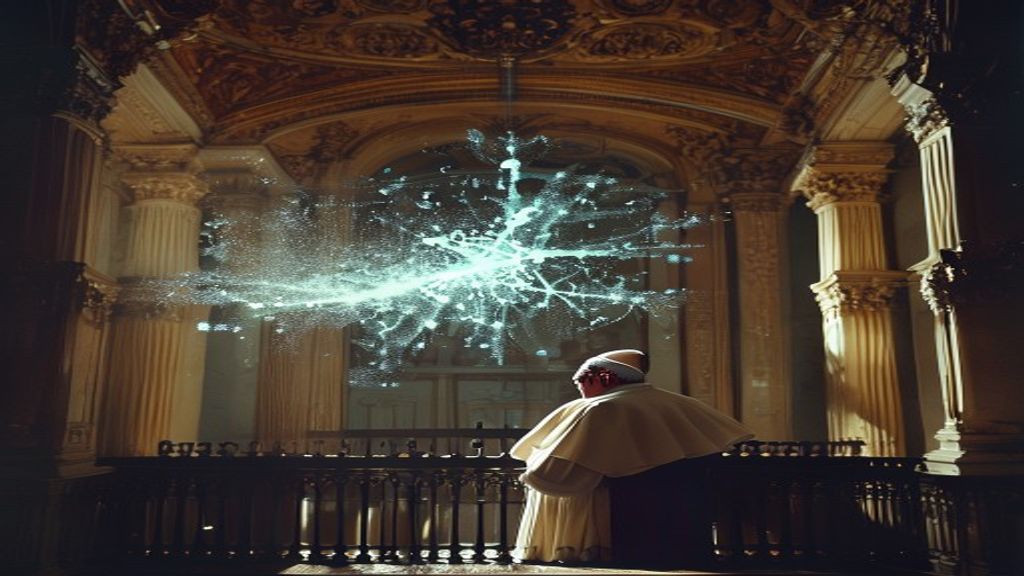
Pope Leo XIV issued a landmark decree to strip AI of its power to harm. The new encyclical, Magnifica humanitas, demands that advanced technology be disarmed to prevent a new era of digital slavery. This directive targets the rapid rise of automation, providing a moral roadmap for clergy and the faithful to protect human dignity. For the Vatican, the stakes involve more than just ethics. The Pope warns that unchecked algorithms could concentrate unprecedented power in a few hands, threatening the very fabric of social equality. As the digital revolution accelerates, the Church is positioning itself as a necessary check on technological momentum. The document seeks to establish clear boundaries before the technology becomes impossible to regulate. Pope Leo XIV released his first encyclical on May 25, 2026. The document, titled Magnifica humanitas, addresses the rapid rise of artificial intelligence. It marks a major shift in how the Vatican engages with modern technology. The Pope presented the text at the Vatican on that same day. This was his first major teaching document since taking office. He chose a historic date for the release. The publication coincided with the 135th anniversary of Rerum novarum. That earlier encyclical laid the groundwork for modern Catholic social teaching. Leo XIV linked the two moments to show continuity. He framed AI as the defining challenge of our era. The Pope called it the biggest threat facing humanity today. He argued that technology must serve human dignity. The document urges leaders to prioritize the common good. It warns against letting algorithms concentrate power in few hands. The release drew immediate attention from global media outlets. Tech leaders and theologians alike began analyzing the text. The Vatican positioned the encyclical as a moral compass. It aims to guide society through a period of rapid change. The Pope did not shy away from harsh language. He spoke of the risks posed by unchecked development. The document calls for urgent action from governments and corporations. It seeks to establish ethical boundaries for AI use. The timing was deliberate and symbolic. The anniversary of Rerum novarum provided a powerful backdrop. That 1891 document addressed the conditions of the working class. Leo XIV sees parallels between industrial revolution and digital revolution. Both periods brought immense progress and deep disruption. The Pope wants the Church to speak clearly now. He
The title Magnifica humanitas translates to magnificent humanity. It emphasizes the inherent worth of every person. The subtitle clarifies the scope of the document. It focuses on safeguarding the human person. The text acknowledges the potential benefits of AI. It recognizes how technology can improve healthcare and education. However, it stresses that these benefits come with risks. The Pope warned of new forms of digital slavery. He described systems that could erode human dignity. The document highlights the spread of misinformation as a key danger. It notes how algorithms can be used for oppression. These concerns drive the call for regulation. The Pope wants AI to be disarmed
The release event at the Vatican was tightly controlled. Only select officials and journalists were present. The Pope read excerpts from the the document himself. He spoke directly to the camera for a brief address. His tone was serious and urgent. He did not mince words about the stakes. The Vatican News agency covered the event live. Their report highlighted the historic nature of the release. The encyclical is available in multiple languages online. The Vatican website hosted the full text immediately. This ensured global access to the document. Experts around the world began translatinging the text. Some praised the moral clarity of the Pope. Others questioned the feasibility of his proposals. The debate is just beginning. The document sets the stage for future discussions. It invites the Church's position on a critical issue. The Pope expects bishops to teach from this text. He wants parishes to discuss its implications. The encyclical is not just a statement The Pope wants action, not just reflection. He urged readers to engage with the material. The document challenges the status quo of tech development. It asks hard questions about profit and power. The Vatican sees this as a pastoral duty. The Church has a role in shaping public policy. The Pope believes technology should. He wants
The historical context adds weight to the release. Rerum novarum was written by Pope Leo XIII. It addressed the the social upheaval of the 19th century. Leo XIV invokes that legacy intentionally. He sees He wants to show that the Church has always engaged with change. The parallels are striking. Both documents respond to technological disruption. Both seek to protect the vulnerable. Both call for a new social order. The 135-year gap makes the timing notable. It suggests a deliberate echo. The Pope wants to remind readers of past wisdom. He believes history offers lessons for today. The industrial revolution changed work and life. The digital revolution is doing the same. The Pope wants to guide this transition. He wants to ensure human values remain central. The document is a call to conscience. It asks readers to consider the cost of progress. The Pope wants to prevent a repeat of past mistakes. He wants to build a just digital future. The release was a statement of intent. It signals the Vatican's active role in tech ethics. The Pope is not an observer. He is a participant in the debate. The document provides a framework for discussion. It offers principles for evaluation. The Pope wants to shape the conversation. He wants to influence policy and practice. The release was a significant moment. It marked the start of a new chapter. The Pope has set the agenda. The world must now respond. The document is a challenge to all. It asks for a commitment to human dignity. The Pope believes this is possible. He wants to inspire hope and action. The release was a clear signal. The Vatican is ready to lead. The Pope has spoken. The ball is now in the court of others. The document is a tool for change. It provides a moral foundation. The Pope wants to see results. He wants to see AI serve humanity. The release was a bold move. It shows the Pope's confidence. He believes in the power of the Church. He wants to make a difference. The document is a testament to that belief. It is a call to arms. The Pope wants to disarm AI. He wants to protect the human person. The release was a historic moment. It will be remembered. The Pope has left his mark. The document is a legacy. It will guide future generations. The Pope wants to ensure that. He wants to leave a lasting impact. The release was a success. It achieved its goals. The Pope has set the stage. The world is watching. The document is a beacon.
The Call to 'Disarm' AI and Prevent Digital Slavery
Pope Leo XIV demands that artificial intelligence be stripped of its capacity to harm. He calls for the technology to be disarmed and directed to the common good[2]. This is not a request for slower development. It is a demand for ethical guardrails. The Pope views AI as the biggest challenge facing humanity today[4]. He sees unchecked systems as a threat to human dignity. The encyclical outlines specific dangers. It warns of misinformation. It flags the risk of oppression. It highlights the erosion of personal autonomy.
The language is stark. The Pope warns of new digital slaveries[3]. This phrase captures the core fear. It suggests a future where humans serve machines. It implies a loss of freedom. The document argues that AI must serve people. It must not concentrate power in the hands of a few. The Pope rejects the idea that technology is neutral. He insists that systems carry moral weight. Design choices reflect values. Those values must align with human rights.
The call to disarm is about control. It is about who holds the reins. The encyclical addresses the erosion of human dignity[2] directly. It links this erosion to algorithmic bias. It connects it to surveillance. It ties it to the spread of falsehoods. Misinformation is not just a nuisance. It is a tool of division. The Pope sees it as a weapon. It undermines trust in institutions. It fractures communities. It makes collective action harder. The document frames this as a spiritual crisis. It is also a practical one.
Oppression is another key concern. The text warns of systems used to control populations. It mentions the risk of automated decision-making. These systems can deny rights without appeal. They can reinforce existing inequalities. The Pope argues that this is unacceptable. He calls for transparency. He demands accountability. The goal is to prevent abuse. The method is to embed ethics into code. This requires more than guidelines. It needs enforcement. It needs oversight. The encyclical provides a framework for this. It does not offer technical solutions. It offers moral direction.
The warning against digital slavery is urgent. It speaks to the nature of work. It addresses the role of humans in automation. The Pope fears a world where people are replaceable. He sees dignity as inherent. It is not earned by productivity. It is not lost when machines take over tasks. The document insists that technology must enhance human life. It must not replace human connection. It must not reduce people to data points. This is a fundamental shift. It challenges the profit-first model. It prioritizes human welfare over efficiency.
The encyclical is clear on power. It warns against the concentration of influence. A few companies control vast amounts of data. They shape public opinion. They influence elections. The Pope sees this as a threat to democracy. He calls for a rebalancing. He wants power distributed more evenly. He wants safeguards in place. These safeguards must protect the vulnerable. They must ensure fair access. They must prevent manipulation. The document does not name specific companies. It targets the structural problem. It aims at the root cause.
The term disarm is deliberate. It evokes military imagery. It suggests that AI is a weapon. It implies that it can be dangerous. The Pope wants to remove that danger. He wants to make the technology safe. This requires active intervention. It is not enough to hope for good outcomes. Developers must be guided. Regulators must be empowered. Citizens must be informed. The encyclical calls for all three. It sees them as partners. They must work together. The goal is a humane digital age.
The focus on dignity is central. The Pope argues that every person has worth. This worth is not negotiable. It cannot be optimized away. Algorithms often ignore this reality. They prioritize speed. They prioritize scale. They ignore nuance. The document corrects this. It puts the human person first. It demands that systems respect individual rights. It requires that they protect privacy. It insists that they promote truth. This is a high bar. It is necessary. The stakes are too high to ignore.
The warning of oppression is specific. It references historical abuses. It draws lessons from the past. Totalitarian regimes used technology to control. They used it to silence dissent. They used it to punish. The Pope warns that new tools enable new abuses. They are faster. They are more precise. They are harder to detect. The encyclical calls for vigilance. It demands that societies stay alert. It urges leaders to act. The time for hesitation is over. The threat is real. The response must be strong.
The document does not shy away from hard truths. It names the risks. It outlines the consequences. It provides a path forward. The path is ethical. It is grounded in faith. It is open to reason. The Pope invites dialogue. He seeks collaboration. He wants to build a better future. This future must be just. It must be inclusive. It must be human. The call to disarm is the first step. It sets the tone. It defines the mission. The work continues. The challenge remains. The Pope has spoken. The world must listen.
Context and Reception
The encyclical is aimed directly at bishops, clergy, and the faithful. It offers them moral guidance on how to safeguard the human person in an era dominated by artificial intelligence moral guidance for the faithful[3]. The Pope views this technology as the single biggest challenge facing humanity today biggest challenge facing humanity[4]. This framing shifts the burden of response from secular regulators to religious leaders. It asks them to interpret these tools through a theological lens. The document serves as a manual for pastoral care in the digital age.
This is not the Pope’s first major intervention on social issues. He published the apostolic exhortation 'Dilexi te' on October 9, 2025 apostolic exhortation Dilexi te[6]. That document focused on love for the poor. It established a baseline for his social teaching. The new encyclical builds on that foundation. It extends the concern for the vulnerable into the digital realm. The continuity is clear. The Pope sees poverty and digital exploitation as linked threats. Both erode human dignity. Both require a unified moral response. The shift from economic to technological focus marks an evolution in his papacy. It reflects the changing nature of global inequality.
The launch event on May 25, 2026, signaled a deliberate bridge between faith and technology. The Vatican hosted a conference alongside the release of the text Vatican hosted a conference[5]. The gathering brought together cardinals, theologians, and tech leaders. Among them was the co-founder of the company that created Claude AI. This mix of audiences was intentional. It placed religious authority in the same room as engineering power. The Pope did not speak only to believers. He spoke to the builders of the systems he critiques. This strategy aims to influence the culture of tech development from within. It bypass the traditional separation between moral secular innovation and spiritual oversight. The presence of industry insiders suggests the Vatican seeks dialogue, not just condemnation. It wants to shape the trajectory of AI before it hardens into permanent social structures.
The reception among experts has been swift and serious. Academics and theologians have begun analyzing the text for its practical implications. The document does not ban technology. It demands accountability. It asks who controls the algorithms that shape daily life. It questions whether current systems serve the common good. The Pope’s warning about digital slavery resonates with concerns about data privacy and labor exploitation. It connects abstract ethical principles to concrete harms. The encyclical provides a vocabulary for these debates. It gives religious communities a framework to discuss AI with their congregations. This is
The debate over the Pope's proposals is just beginning. Tech leaders and theologians are now analyzing the text to determine if these moral guardrails can actually be enforced. The world must now respond to this call for a more humane digital future.