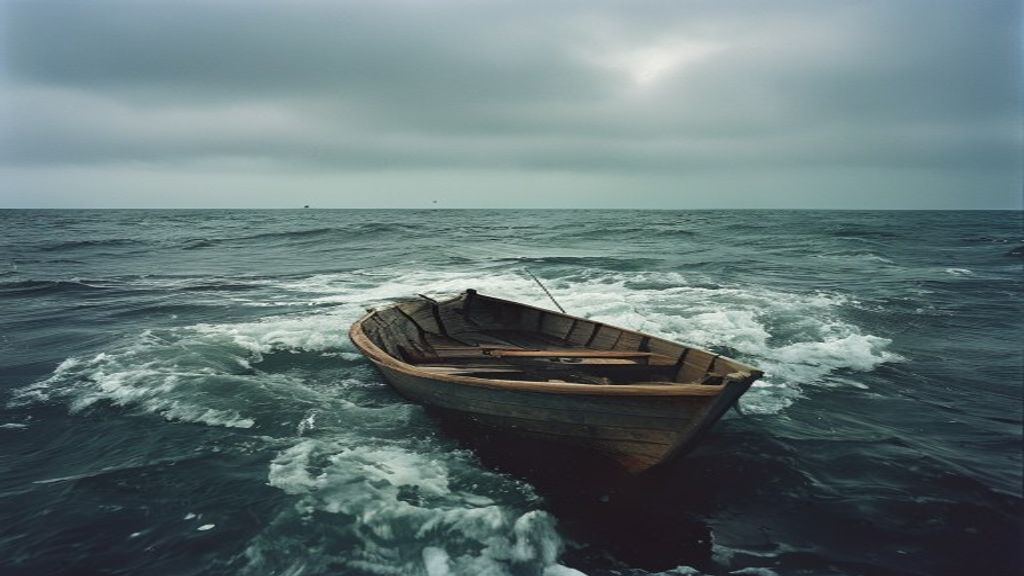
Somali pirates have returned to the Indian Ocean after years of quiet. A new wave of coordinated attacks in the Somali Basin is threatening global shipping lanes. This sudden resurgence puts international trade routes at immediate risk.
International naval forces are now spread dangerously thin. New shifts in Middle East conflicts are creating a security vacuum that pirates are moving to exploit. The focus on the Red Sea has left the Horn of Africa vulnerable to a resurgence of maritime crime.
The Return of the Somali Pirate: A New Era of Risk
Piracy off the coast of Somalia has sharply resurged after several years of relative calm. A series of coordinated attacks in the Somali Basin[1] and western Indian Ocean began in late October 2025. These raids mark a sudden end to a period of stability for the region.
Security forces are currently stretched thin. While the US and UK attempt to contain Houthi attacks in the Red Sea, Somali pirates have made a daring comeback off the Horn of Africa. Joint naval patrols are struggling[5] to cover the gap left by the Middle East crisis.
Threats are rising.
Pirates typically use a mother ship to launch attacks. They divide into small groups using tiny skiffs to strike civilian vessels with AK-47s and hand-propelled grenades. Once they board, they often hijack cargo and crewmembers, taking victims to the Somali shore as hostages.
This pattern of violence is familiar to maritime experts. In April 2009, pirates attempted to capture an American-flagged ship and took its captain hostage. U.S. military sharpshooters[6] eventually ended that specific incident by killing three of the four hostage takers. Today, the threat is expanding again.
The Security Vacuum: How Middle East Conflicts Divert Naval Power
Naval patrols are stretched thin across the Indian Ocean. The Middle East crisis[4] has forced international task forces to shift their focus. This diversion leaves the Gulf of Aden vulnerable to new attacks.
US and UK forces are currently attempting to contain Houthi attacks[4] in the Red Sea and the Bab al-Mandab. This concentration of power creates a gap in the Somali Basin. Pirates are moving into this space.
Security in the western Indian Ocean is failing. A series of coordinated attacks has occurred since late October 2025[1]. The lack of oversight allows groups to reorganize.
No one is watching the coast.
Without constant surveillance, the Somali Basin has become a playground for hijackers. The joint naval patrols[5] cannot be in two places at once. This absence of authority makes the resurgence of piracy almost inevitable.
Beyond the Waves: The Economic and Historical Drivers of Piracy
Extreme poverty drives the resurgence of Somali piracy. A lack of government revenue and high demand for illegal fishing and smuggling create a fertile ground for crime. This instability makes military patrols alone an insufficient solution.
Forces struggle to stop the cycle. Pirates typically go unpunished once they release hostages, returning to their ships to plan another capture. This pattern allows networks to rebuild quickly.
Attackers use a specific, coordinated method to strike. Groups congregate on a large mother ship before dividing into smaller teams. These teams sail out on tiny, fast-moving skiffs to target civilian vessels.
They carry heavy weapons to ensure success. Pirates use AK-47s and hand-propelled grenades to attack ships during boarding attempts. The narrow waters of the Gulf of Aden allow them to haul captured cargo and victims onto the Somali mainland with ease.
History shows how quickly these threats can escalate. In April 2009, pirates attempted to capture an American-flagged ship and took its captain hostage. U.S. military sharpshooters eventually ended the standoff by killing three of the four hostage takers.
Security measures have already begun to shift. Shipping and protection levels have returned to scales not seen since before the COVID-19 pandemic.
Shipping companies are already increasing protection levels to scales not seen since before the pandemic. The stability of the Indian Ocean depends on whether international task forces can address the gap in the Somali Basin.