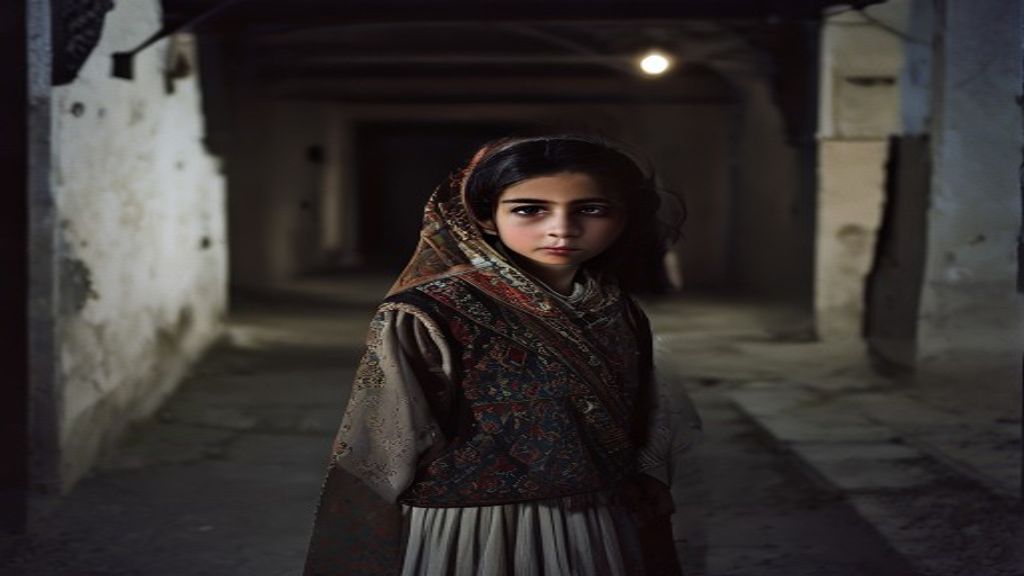
Taliban authorities have lowered the minimum age for girls' marriage to nine years. This change operates as a widespread practice rather than a formal, written law.
No official decree exists in the national legal code to codify this shift. Instead, the age limit functions through local enforcement and shifting social norms across the country.
Under this current standard, girls under the age of nine remain ineligible for marriage. The threshold marks a significant departure from previous age requirements that were more strictly monitored.
Local officials and community leaders are now implementing these new age limits. While the lack of a formal statute creates ambiguity, the practical application is clear in many provinces.
Justification and Consequences for Girls
Local leaders justify the practice through their specific interpretation of Sunni Islamic teachings. They argue that these religious understandings permit marriage once a child reaches physical maturity. This shift moves the focus away from legal age limits toward religious compliance.
Marriage is now being prioritised over formal schooling. For many families, the transition from classroom to household is becoming permanent. This change effectively ends the academic prospects of young brides before they even begin.
Most of these girls enter marriages without any prior education. They lack the basic literacy and numeracy skills needed to navigate life outside the home. This creates a cycle of dependency that is difficult to break.
Without school, these children remain isolated from the wider world. They have no access to the tools required for economic independence or personal agency. The loss of learning is total.
Global leaders are watching closely
Human rights groups say the practice violates international treaties. These agreements protect children from early marriage and exploitation. The shift in practice deepens the divide between Kabul and the rest of the world.
Afghanistan remains largely cut off from global diplomacy. Most nations refuse to formally recognise the Taliban government. This isolation makes it harder to hold leaders accountable for changes in local customs.
Many diplomats view the move as a breach of the Convention on the Rights of the Child. This treaty sets clear standards for protecting minors. The lack of formal legal text makes enforcement even more difficult for international monitors.
Critics are also questioning previous promises made by the Taliban leadership. Some officials once suggested that women's rights would be respected under their rule. Recent actions suggest those assurances were not reliable.
Trust is fading.
Aid agencies worry that this trend will further isolate the country. Without international recognition, the flow of humanitarian support remains unstable. The future of Afghan women's rights depends on how the international community responds to these developments.
The international community faces a growing crisis of accountability. Aid agencies and diplomats are now weighing how to respond to these shifts in local customs. The next round of humanitarian negotiations will likely hinge on the protection of these young girls.