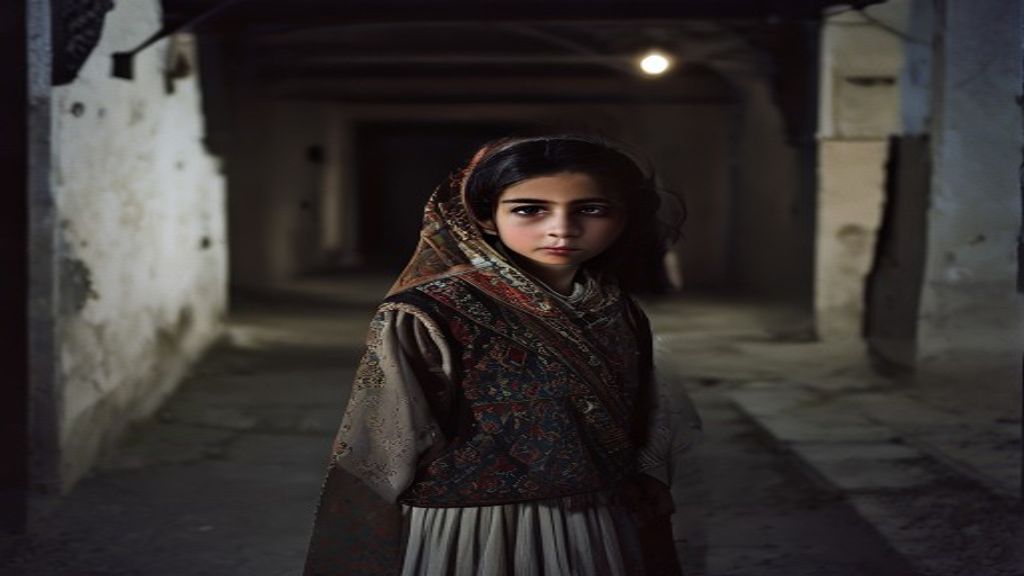
Taliban judicial interpretations now equate a bride's silence with marriage consent. This legal shift allows unions to proceed without explicit verbal agreement from the woman. Under this rule, a bride does not need to say yes to be married, but she cannot explicitly say no to stop the process. This interpretation formalizes a reality where silence is treated as agreement[3]. RFE/RL documented this shift in legal practice. The findings indicate that the law codifies forced marriages by removing the requirement for active, verbal assent. Guardians often arrange these unions for minors. These children may not understand the legal implications of their silence during the marriage process. Legal experts cited in the report note that this interpretation contradicts many schools of Islamic jurisprudence. Traditional requirements in various schools of thought demand explicit verbal consent from the bride. By linking marriage eligibility to puberty, the law removes previous age protections. This allows for marriages as early as age nine, according to new legal standards[2].
Impact on Underage Brides
Up to 70 percent of girls in Afghanistan[1] may be living in early or forced marriages. This figure reflects a reality of forced marriage and delayed justice[3] that the new law now formalizes.
Minors are particularly vulnerable because they lack the legal power to contest unions once silence is interpreted as agreement. The new legal standard removes the requirement for explicit verbal consent.
Social pressure within families and communities often enforces this silence. Many girls face fear of retribution from family members or community leaders if they attempt to speak out.
This vulnerability extends to infants. UNICEF has reported cases[4] of families offering daughters as young as 20 days old for future marriage in exchange for a dowry.
Under the new law, the ability to escape these unions is also restricted. The legislation blocks future divorce claims[1] for girls married before age 18 if the husband does not agree to the separation. This creates a permanent legal trap for those wed at the onset of puberty.
International Response and Legal Context
International human rights organizations have criticized the new Taliban law for institutionalizing discrimination[2] against Afghan women and girls. The decree codifies unequal rights regarding marriage, divorce, and family matters.
This legal shift follows a series of Taliban restrictions that have steadily dismantled existing protections for women. The new law removes the previous minimum marriage age[2] by linking eligibility to the onset of puberty.
Human rights advocates argue the framework violates international legal standards. The law creates significant barriers by legally codifying forced marriages[2] and restricting divorce rights for those married before age 18.
Existing vulnerabilities were already present in the country. Up to 70% of girls[1] in Afghanistan may already be in early or forced marriages.
UNICEF has documented extreme cases of child exploitation in the region. The agency received reports of families offering daughters as young as 20 days old[4] for future marriage in exchange for a dowry.
Data collection regarding the current scale of the crisis remains restricted. No official figures exist for the exact number of marriages conducted under this specific new interpretation.
The rule remains in effect without a legal avenue for victims to appeal within the current judicial system. The law effectively formalizes a reality[3] of forced marriage and delayed justice for many girls.
The new legal standard provides no avenue for victims to appeal within the current judicial system. The lack of official figures makes the exact scale of the crisis difficult to determine.