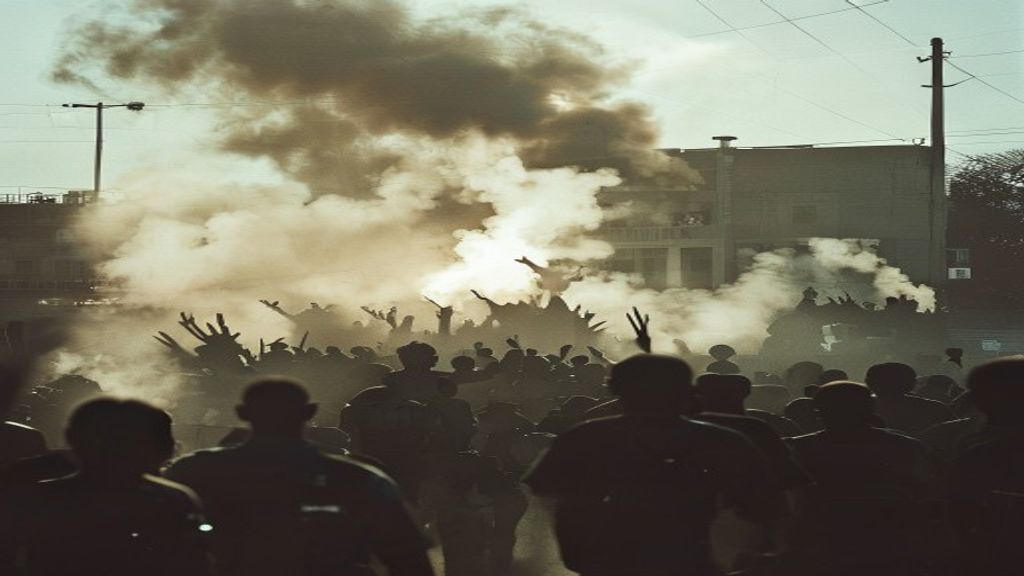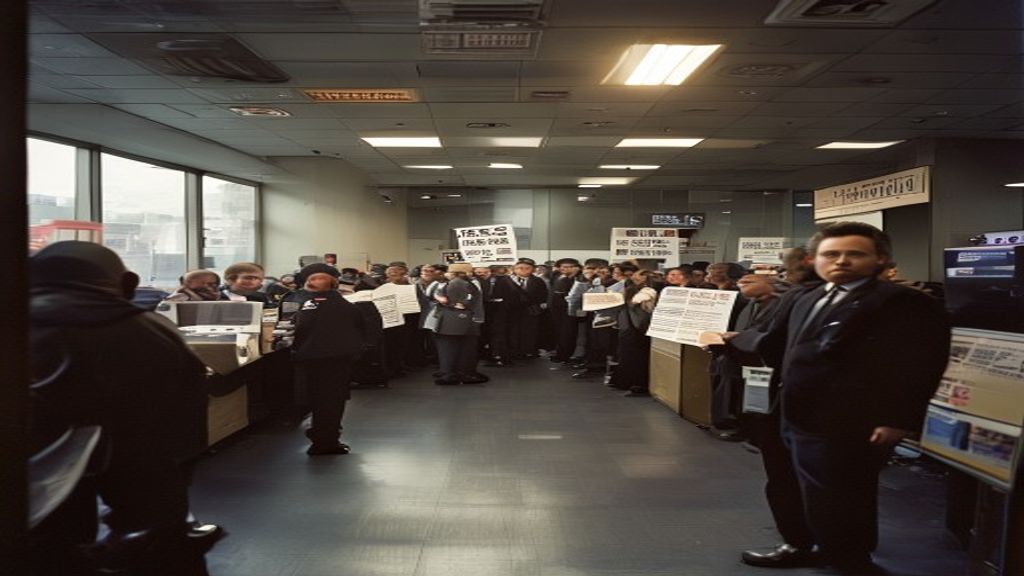
BBC journalists walked out of their posts on Monday morning. The strike hit the World Service and Radio 4 as the broadcaster faces urgent budget cuts. Staff are protesting a plan to increase workloads across the network.
New director general Matt Brittin, 57, faces a difficult first day. The former Google executive arrived to find a broadcaster in the middle of a financial crisis. He must now balance the books while managing a growing pattern of industrial unrest.
A collision of mandates
BBC staff walked out of their posts on Monday. The industrial action hit journalists at the BBC World Service[2] and Radio 4. They are protesting a plan to increase workloads across the broadcaster.
Matt Brittin, 57, began his tenure as Director General amid the chaos. The former Google executive arrived to find a tumultuous period[3] for the public service broadcaster. He is already tasked with finding significant budget cuts.
He did not wait to address the tension. On his first day, Brittin warned that tough choices are unavoidable[1]. This announcement coincided directly with the start of the walkout.
Strikes threaten the continuity of news broadcasting. If the dispute continues, the future of staff contracts remains uncertain. The broadcaster faces very real challenges.
Staff members are fighting to protect their current working conditions. Management is focused on balancing the books through austerity. The two sides are now in direct conflict.
The cost of the new budget
Matt Brittin faces a mandate to find budget cuts. The 57-year-old ex-Google executive[1] must balance the broadcaster's books during a period described as tumultuous. He is tasked with identifying savings to stabilize the institution's finances.
Brittin warned that tough choices are unavoidable[1] on his first day. These decisions will likely impact how the BBC operates across its various departments. The new leader faces what he described as very real challenges.
Staff are already protesting against a plan to increase workloads. The tension is high. Many employees fear that the drive for efficiency will erode the quality of the BBC's public service mission.
Management is looking closely at production departments. The plan aims to reduce spending by targeting specific areas of the budget. No specific figures for job losses were released in the initial briefing, but the focus remains on cost reduction.
Workers reject the austerity plan
Representatives from the unions described the austerity plan as a direct threat to the broadcaster's core mission. They argued that the financial changes would undermine the quality of public service programming. The group warned that the cuts could damage the institution' long-term stability.
Staff members at the BBC World Service and Radio 4[2] are leading the protests. Many employees are striking to protest a plan that would increase their workloads. They are also fighting against pay freezes and the reduction of creative staff.
One journalist, who requested anonymity to protect their position, stood near the entrance with a picket sign. They watched as colleagues arrived for their shifts, many of them visibly frustrated by the sudden shift in management policy. The strike has already disrupted live programming schedules across several departments.
No one was surprised by the disruption. The walkout forced immediate changes to the broadcast lineup, leaving some slots empty or replaced by pre-recorded content. The tension between the new leadership and the workforce has reached a breaking point.
A pattern of industrial unrest
This strike follows a period of intense friction between management and the workforce. The broadcaster is currently in a tumultuous period[3]. Tensions have risen as the organization struggles to balance its public service mission with growing financial pressure.
Staff members are already protesting against plans to increase workloads. The dispute involves journalists at BBC World Service and Radio 4[2]. These workers are fighting to protect their existing contracts.
Management faces a difficult mandate. The BBC is a British public service broadcaster[5], which requires it to maintain high standards of content. However, the new leadership must also find ways to reduce costs.
Unrest is not new.
Existing friction between the unions and the board has intensified since the new leadership arrived. The arrival of Matt Brittin, 57, has added a new layer of complexity to these long-standing disputes. His task is to manage the budget while the staff remains on high alert.
Legal frameworks also shape these clashes. The Trade Union Bill[6] reforms the way industrial actions are conducted in the UK. These rules influence how both sides approach negotiations during periods of high tension.
What happens next
Negotiations between the BBC board and union leaders remain the immediate priority. Both sides are preparing for a scheduled meeting to discuss the budget[1]. The outcome of this session will determine if the current walkouts continue.
Further strike days are a distinct possibility. If the proposed austerity plan remains unchanged, staff at the World Service and Radio 4 may return to the picket lines. The tension is high.
Parliamentary scrutiny is also approaching. A review of the BBC funding model[5] will soon take place in Westminster. This review could alter the financial constraints facing the new Director General.
Matt Brittin faces a difficult start to his tenure. He must balance the need for savings with the demands of a workforce already protesting increased workloads. The next few weeks will test his ability to lead through this period of unrest.
Negotiations between the BBC board and union leaders remain the immediate priority. Both sides are preparing for a scheduled meeting to discuss the budget. The outcome of this session will determine if the current walkouts continue.