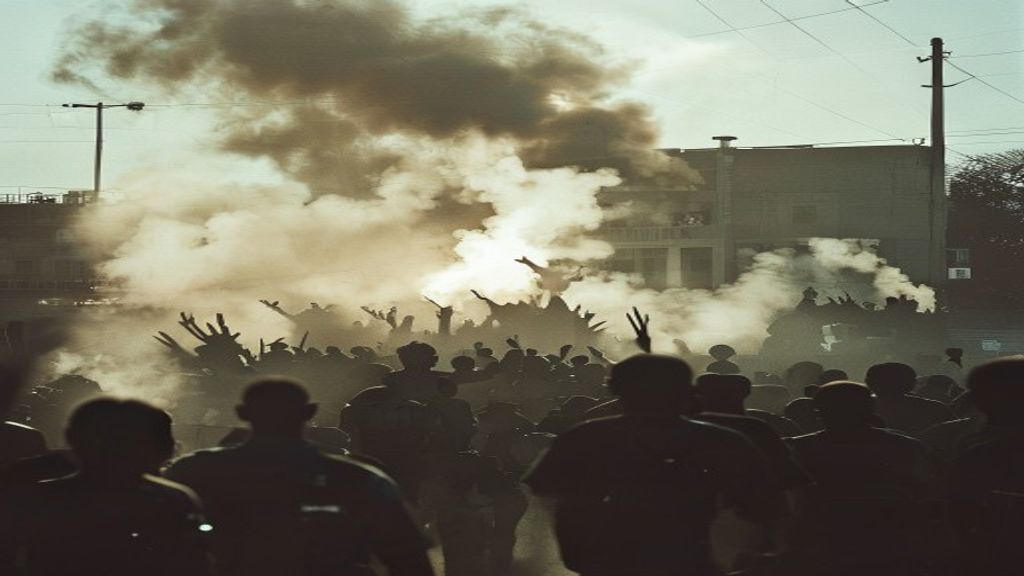
Police in the Democratic Republic of the Congo fired shots to disperse crowds at an Ebola treatment center. The violence erupted in Ituri Province during an active outbreak. Residents tried to reclaim bodies of suspected Ebola cases. Authorities used live ammunition to stop the attempt. The incident highlights the deep mistrust between local communities and health officials. It also shows the extreme measures taken to contain the virus. The outbreak involves both the DRC and Uganda. Health agencies are tracking the spread across borders. The situation remains volatile as tensions rise. The epidemic is specifically located in Ituri Province. This region has seen repeated outbreaks in recent years. Local communities have grown weary of strict containment rules. They often resist the removal of bodies for testing. Traditional burial practices conflict with public health guidelines. This clash creates dangerous flashpoints for violence. Police forces are tasked with enforcing these unpopular measures. They face angry mobs who view the rules as an insult. The use of force is meant to protect staff. It also aims to prevent further spread of the disease. Unrest has occurred between crowds and authorities. People gathered outside the treatment center demanding their dead. They believed the bodies were being stolen or mistreated. These rumors fuel fear and anger in the community. Health workers are seen as outsiders imposing harsh rules. Trust in the medical system is low in many areas. The crowd grew larger as more residents arrived. They shouted demands and threw stones at the facility. Police warned them to disperse or face consequences. The situation escalated quickly when the crowd ignored the warnings. Authorities claim the use of live ammunition was necessary. They stated the crowd posed an immediate threat to life. Officers fired into the air to scatter the mob. This tactic is common in crowd control operations. It is meant to intimidate without causing direct harm. However, the risk of injury or death is high. Bullets can fall unpredictably in crowded spaces. The decision to use live fire is a last resort. It signals a breakdown in communication and trust. The authorities argue they had no other option. The outbreak is categorized as a new event requiring advisories. Clinicians and public health practitioners are on alert. Travelers are advised to avoid non-essential trips. The CDC issued a notice for medical professionals. They need to be aware of the risks. Early detection and isolation are key to stopping the spread. Contact tracing helps identify potential cases. Vaccination campaigns are underway in affected areas. These efforts are hampered by community resistance. People refuse tests and vaccines due to fear. The epidemic involves the Democratic Republic of the Congo and Uganda. Both countries share a porous border. Movement of people and goods is frequent. This makes containment difficult for health officials. Cases have been reported on both sides. Coordination between the two nations is essential. Joint task forces are working to share data. They aim to track the virus across borders. The WHO is supporting these efforts with resources. Funding and supplies are being directed to the region. The goal is to stop the outbreak before it grows. The event is described as an emergency situation. Containment measures are being implemented urgently. Lockdowns may be imposed in high-risk zones. Movement restrictions limit the spread of the virus. Checkpoints are set up to screen travelers. These measures disrupt daily life and commerce. People are frustrated by the limitations. Economic hardship adds to the tension. Many rely on daily wages to survive. Restrictions mean lost income and food insecurity. This desperation can lead to further unrest. The use of force has drawn criticism from some quarters. Human rights groups question the proportionality of the response. They argue that less lethal methods should be tried first. Tear gas and water cannons are alternatives. These tools can disperse crowds without risking lives. The decision to use live ammunition is controversial. It raises questions about the protection of civilians. The authorities must balance security with human rights. The incident will likely be reviewed by investigators. They will assess whether the force was justified. The outbreak poses a significant threat to public health. Ebola is a deadly virus with a high fatality rate. Symptoms include fever, vomiting, and bleeding. The virus spreads through direct contact with bodily fluids. Health workers are at high risk of infection. They need proper protective equipment to stay safe. Supplies are often scarce in remote areas. This makes their jobs even more dangerous. The community must cooperate with health teams. Without trust, containment efforts will fail. The situation in Ituri Province is complex. Historical grievances and political instability add to the tension. Armed groups operate in the region. They sometimes attack health facilities and staff. This makes the work of containment even harder. Security forces are stretched thin trying to manage multiple threats. They must protect health workers while enforcing rules. The dual mandate creates difficult choices. Every decision carries risks for both sides. The path forward requires careful navigation. The immediate incident has raised alarms. It shows how quickly things can go wrong. A single act of violence can derail months of work. Communities may withdraw support for health programs. They may hide sick family members from officials. This secrecy allows the virus to spread unnoticed. The cycle of fear and mistrust is hard to break. Building trust takes time and consistent effort. The authorities must show respect for local customs. They must engage with community leaders to gain cooperation. The outbreak is not just a health crisis. It is a test of governance and social cohesion. How a society responds to a threat reveals its strengths. It also exposes its weaknesses. The DRC has faced many challenges in recent years. From conflict to economic hardship, the people have endured much. Now they face a deadly virus and strict controls. The response must be both firm and compassionate. Force alone will not solve the problem. Dialogue and education are equally important. The world is watching the situation unfold. International partners are ready to help. But they need access and cooperation to do so. The DRC government must lead the response. The violence has halted critical medical work. Patient care is now disrupted by the chaos. Staff cannot safely reach those who need treatment. The outbreak is spreading faster than the response can manage. Health workers face immediate danger. They treat sick patients in high-risk zones. Crowds surround the treatment centers with anger. Security teams are stretched thin. The staff must focus on survival. This distracts them from their medical duties. Containment relies on trust and access. Both are now broken. Communities refuse to share information. They fear the authorities more than the virus. Health officials cannot trace contacts. They cannot isolate new cases. The chain of transmission remains open. The situation is described as an emergency. Emergency measures are now in place[1]. These steps aim to stop the spread. They also aim to restore order. The government has declared a state of alert. Resources are being redirected to security. This shift hurts medical efforts. Funds move from clinics to police. Staff move from care to protection. The balance tips away from health. The virus exploits this gap. It moves through communities unchecked. Security challenges are severe for staff. Violence creates significant security risks[1]. Workers fear for their lives. They fear for their families. Some have left the region. Others refuse to enter hot zones. The shortage of staff is growing. Experienced nurses are hard to replace. Doctors are even scarcer. Training new workers takes time. The outbreak does not wait. Cases rise while capacity falls. Patient care suffers directly. Treatments are delayed. Medications run low. Supplies cannot reach the centers. Roads are blocked by unrest. Trucks turn back at checkpoints. The supply chain is fragile. Patients wait for help. Some die while waiting. Others leave the centers. They return to their homes. They spread the virus further. The containment net has holes. The virus slips through. The disruption is not just logistical. It is psychological. Patients lose faith in the system. They see police fire shots. They see staff hide behind barriers. They do not see healing. They see control. This fear drives people away. They avoid testing. They avoid treatment. They hide their symptoms. The official numbers drop. The real numbers rise. The data becomes unreliable. Health officials struggle with this gap. They cannot plan without data. They cannot target interventions. They are flying blind. The outbreak grows in the shadows. The security situation worsens daily. Unrest complicates containment efforts[1]. Police presence is heavy. It is also controversial. Communities feel occupied. They resist further. This resistance fuels more unrest. The cycle continues. Violence begets violence. Trust erodes further. The medical mission is trapped. It cannot advance. It cannot retreat. Staff morale is low. They feel unsupported. They face hostility from crowds. They face pressure from commanders. They are caught in the middle. Many question their safety. Some question their mission. The risk of burnout is high. Stress levels are extreme. Sleep is scarce. Food is irregular. The work is dangerous. The rewards are invisible. The costs are personal. International partners are concerned. They provide funding and expertise. They need access to deliver aid. They need cooperation to succeed. The current blockage stops them. The DRC government must lead. It must balance security and health. It must protect staff. It must engage communities. It must restore trust. The stakes are high. Lives are at risk. The outbreak could spread. It could cross borders. It could become a crisis. The window for action is closing. Emergency protocols are being tested. They are not yet proven. They rely on compliance. They rely on calm. The current chaos undermines them. The path forward is unclear. Security forces must de-escalate. Health workers must be protected. Communities must be heard. The virus must be stopped. Time is running out. Every day of delay costs lives. Every hour of unrest spreads fear. The response must adapt. It must be faster. It must be smarter. The impact is already visible. Clinics are empty. Streets are tense. Hospitals are fortified. The normal rhythm of life is gone. The emergency is real. Staff are doing their best. They work under fire. They work under pressure. They work under threat. Their dedication is clear. Their safety is not. The system is straining. It is not breaking yet. It is bending. It is holding. But for how long? The next steps are critical. Decisions made now will shape the future. They will determine the scale of the outbreak. They will determine the cost in lives. The world is watching. The response is being judged. The outcome is not yet written. The struggle continues. The focus must return to health. Security is a means. Health is the end. The balance must shift back. The virus must be the enemy. Not the people. Trust must be rebuilt. It takes time. It takes effort. It takes humility. The authorities must listen. The communities must speak. The dialogue must resume. The containment effort is fragile. It depends on cooperation. It depends on access. It depends on trust. All three are damaged. Repairing them is urgent. The outbreak will not pause. The virus will not wait. The response must accelerate. The stakes could not be higher. The road ahead is steep. The challenges are many. The resources are limited. The will must be strong. The commitment must be clear. The mission is vital. Saving lives is the goal. Stopping the spread is the task. Protecting the staff is the duty. All three must align. The situation is dire. The need is great. The time is now. Action is required. Change is possible. Hope remains. The fight is not over. The battle is ongoing. The outcome is uncertain. The effort must continue. The resolve must hold. The focus must stay. The impact is deep. The security is tight. The containment is hard. The staff are brave. The patients are waiting. The world is watching. The next move matters. The next decision counts. The next hour is key. The next day is critical. The next week is vital. The response must evolve. It must adapt. It must improve. It must succeed. The virus is strong. The response must be stronger. The stakes are clear.
International Response and Legal Reviews
International health agencies are demanding an immediate end to the violence. They argue that shooting at crowds undermines trust in the health system. This trust is the only thing stopping the virus from spreading further. The World Health Organization has flagged the situation as a critical emergency. They warn that force drives communities away from treatment centers. The outbreak is officially recognized[2] as a major public health threat. Authorities must now balance security with community acceptance.
Human rights groups are raising alarms about the use of live ammunition. They say lethal force should be a last resort. Police claimed the shots were necessary to disperse angry mobs. Those mobs were trying to reclaim bodies suspected of carrying Ebola. The groups argue that this response escalates tensions rather than solving them. They call for de-escalation tactics that do not involve guns. Protecting patients and staff requires safety, not fear. Improved security protocols are now requested[1] by multiple international bodies. These protocols must protect health workers without alienating locals.
Legal reviews have already begun to assess the police conduct. Investigators are looking into whether the force was justified. The goal is to determine if international standards were met. These standards govern the protection of life and property. The reviews will examine the chain of command. They will also look at the rules of engagement used on the ground. This process is slow but necessary for accountability. Legal reviews are ongoing[1] to ensure compliance with global norms. The findings could change how police handle future outbreaks.
Compliance with international law is a central concern for observers. The use of force must be proportional to the threat. Shooting into a crowd is rarely seen as proportional. Experts say that crowd control should rely on non-lethal methods. Tear gas or water cannons are common alternatives. Live ammunition risks killing innocent bystanders. It also risks turning a health crisis into a political one. The government faces pressure to prove its actions were lawful. Failure to do so could lead to sanctions or aid cuts.
The Centers for Disease Control and Prevention has issued new advisories. These advisories target clinicians and public health practitioners. They also warn travelers about the risks in the region. The CDC notes that the outbreak involves both Congo and Uganda. This cross-border nature complicates containment efforts. The outbreak is categorized as new[3] and requires heightened vigilance. Health workers must follow strict safety guidelines. Travelers are advised to avoid non-essential trips to the area.
Security challenges remain the biggest hurdle for containment teams. Staff cannot work if they feel threatened by crowds. They also cannot work if they fear for their own safety. The unrest has created a hostile environment for medical personnel. Trust is broken when guns are drawn instead of vaccines. Rebuilding that trust will take time and patience. It will also require transparency from the government. Communities need to know why bodies are handled the way they are. They need to know that their dead are respected.
The international community is watching closely for signs of improvement. Aid organizations are ready to step in if needed. They can provide training for police on crowd management. They can also help mediate between communities and authorities. This mediation is crucial for long-term stability. Without it, the outbreak will likely spread further. The virus does not care about borders or politics. It only needs a host to survive and multiply.
Legal accountability is not just about punishing bad actors. It is about setting a precedent for future crises. If police know they will be reviewed, they may think twice. This review process acts as a check on power. It ensures that force is used only when absolutely necessary. The findings of these reviews will be public. They will be scrutinized by human rights monitors. They will also be used to update national security policies.
The stakes are high for the entire region. An uncontrolled Ebola outbreak can devastate local economies. It can overwhelm health systems that are already weak. It can kill thousands of people in a matter of weeks. The international response must be swift and coordinated. It must address both the virus and the violence. Ignoring one while treating the other is a recipe for failure. The world has seen this movie before. It knows how badly it can end.
De-escalation is the key to breaking the cycle of violence. Police must learn to listen to community concerns. They must engage with local leaders and elders. They must explain their actions clearly and respectfully. This engagement builds bridges instead of walls. It creates a partnership rather than a conflict. The health of the population depends on this partnership. Without it, the virus wins.
The legal reviews will take months to complete. But the pressure for immediate change is real. International donors are questioning their funding commitments. They want to see tangible improvements in security and safety. They want to see respect for human rights. They want to see a government that protects its people. The current situation is unacceptable to many observers. It represents a failure of governance and public health.
The path forward is clear but difficult. It requires humility from authorities. It requires patience from communities. It requires support from the international community. All sides must work together to stop the virus. The shots fired in Ituri were a symptom of a deeper problem. That problem is a lack of trust and communication. Solving it requires more than just medical supplies. It requires political will and moral courage.
The next few weeks will be decisive. If violence continues, the outbreak will spiral out of control. If de-escalation succeeds, containment remains possible.