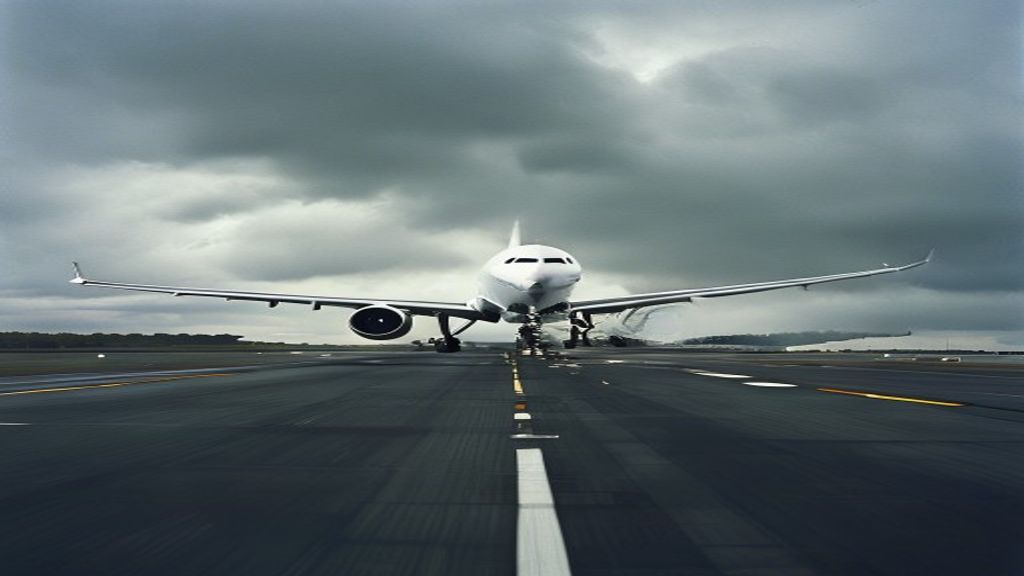
An Air France flight to Detroit diverted to Canada following Ebola concerns. Emergency teams met the aircraft on the Montreal tarmac to manage the health risk. The sudden diversion has left passengers and crew in a state of uncertainty. Health officials have launched a rapid response to screen those on board. Authorities are currently working to identify every person who may have been exposed to the virus. We look at how officials are managing the travelers left on the diverted plane.
Emergency diversion in Atlantic airspace
An Air France flight traveling from France was diverted to Canada. The aircraft was originally bound for Detroit Metro Airport[1].
Flight crews acted on concerns regarding a passenger from the Democratic Republic of Congo[1]. This individual was identified as coming from an Ebola-affected region.
Authorities diverted the plane to Montreal[2]. The diversion happened in 2026.
Fear of a possible Ebola virus exposure drove the decision. Officials did not specify if the passenger was showing symptoms of the virus.
Safety was the priority. The plane landed safely, but the incident triggered an immediate quarantine protocol for the aircraft.
Health officials launch emergency response
Canadian emergency teams met the aircraft on the tarmac in Montreal[2]. Local health officials and first responders arrived quickly to manage the potential biological risk. They established a perimeter around the plane to secure the area.
Medical staff removed the passenger from the aircraft. The individual was transported to a specialized medical facility[1] for urgent testing. This move aimed to isolate any potential viral exposure from the rest of the flight crew and passengers.
Strict isolation protocols now surround the plane. Authorities placed the aircraft under a heavy quarantine to prevent any spread of the virus. No one was permitted to leave the vessel until health screenings were completed.
Health officials began screening every person on board. The exact number of passengers undergoing these checks is still being confirmed by Air France[2]. Every traveler faced intense scrutiny as teams looked for signs of contact with the passenger from the Democratic Republic of Congo[1].
This incident highlights the intense monitoring of international flights. Global health alerts have made such rapid responses a standard procedure for border authorities. The scale of the response reflects the high level of caution regarding Ebola exposure.
What happens to the remaining passengers
Air France is working with Canadian authorities to manage the travelers left on the diverted plane. The airline has not yet confirmed if the flight will continue to its original destination in Detroit, Michigan[1].
Passengers face significant delays while the aircraft undergoes deep cleaning and disinfection. This process is necessary to ensure no traces of the virus remain on surfaces or seats.
Health officials are currently monitoring every person who had direct contact with the symptomatic passenger. They are looking for any signs of fever or illness among those seated nearby.
No word has been released on when the plane will be cleared to depart. The next major update will come from the Canadian Centre for Disease Control[2]. A follow-up report is expected within the next 48 hours.
The Canadian Centre for Disease Control is expected to release a follow-up report within 48 hours. This update will clarify the health status of the passenger and the safety of the remaining travelers.