Chechen authorities are blocking families from performing traditional Islamic burials. This practice targets political opponents and strips away the last shred of dignity from the deceased and the living.
The denial of a final rite
A family in Grozny recently watched as authorities blocked their path to the cemetery. They were not allowed to perform the traditional Islamic rites for their deceased relative. This refusal left the grieving group unable to complete the religious obligations that define their faith.
Such denials are not isolated incidents. They are part of a documented pattern of using death as a tool for state control. When the state interferes with burial, it strips away the last shred of dignity from the deceased and the living.
For the families involved, the stakes are deeply personal. The loss of religious dignity creates a psychological toll that lasts for generations. It turns a period of mourning into a struggle for basic human rights.
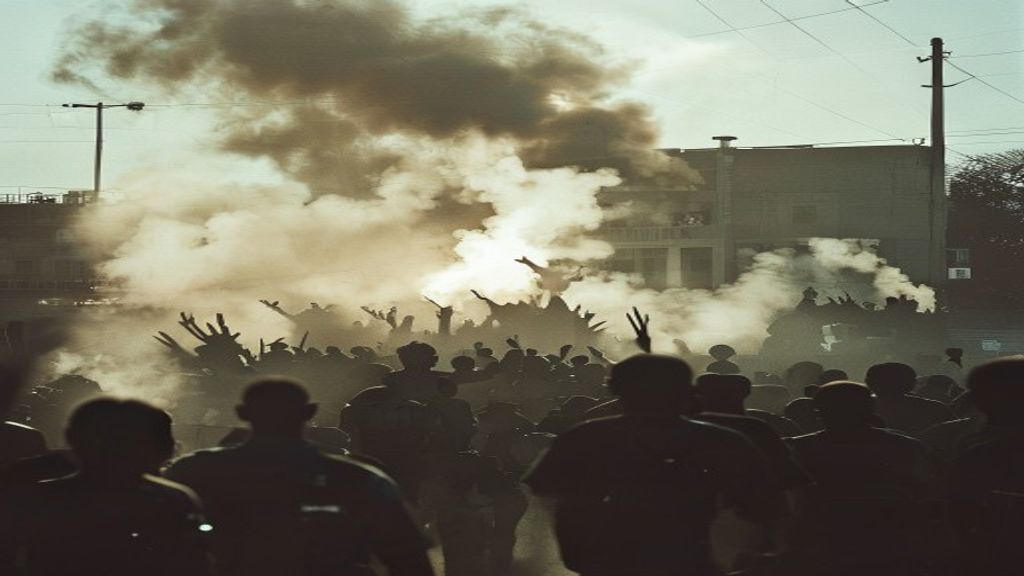
History in the region shows how bodies have been treated as political tools. In the village of Dachny, investigators found fifty-one corpses[1] near a dumping ground. This site was located less than one kilometre from a major Russian military base.
At least sixteen of these individuals[1] were last seen alive while in the custody of federal forces. Authorities denied responsibility for these deaths. Instead, they blamed criminal gangs and rebel groups.
Control extends beyond the grave.
By manipulating how the dead are handled, the state exerts pressure on those who remain. Denying a proper burial serves as a secondary punishment for any family linked to political dissent.
A weapon of state control
Local religious authorities often facilitate these bans by refusing to certify burials. This cooperation turns religious institutions into an extension of the state. When officials deny permits, the religious community is forced to choose between tradition and safety.
This pressure reaches far beyond the cemetery. The denial of rites targets specific families linked to political opposition. By stripping away religious dignity, the state ensures that even death offers no escape from political retribution.
History shows a pattern of using mass graves to erase identities. In the village of Dachny, authorities discovered a dumping ground for human remains[1] near a Russian military base. The site contained fifty-one bodies[1] in total.
Responsibility for these deaths was never accepted. Federal and local officials blamed Chechen rebel forces and criminal gangs[1] for the killings. This tactic allows the state to bypass accountability while maintaining control over the territory.
At least sixteen of the deceased[1] were last seen in the custody of Russian federal forces. The area had been under Russian military control since December 1999. This overlap of military presence and unidentified deaths highlights the broader human rights crisis in the region.
Control is absolute.
Even religious identity is not safe from political targeting. Yevgeny Rodionov, a Christian, was executed for refusing to convert to Islam[4]. Such acts demonstrate how the state uses religious conversion and burial rights to enforce total loyalty.
The impact on the community
An elderly man in Grozny sat in silence as officials blocked the cemetery gates. He had arrived with his family to perform the final rites for his son. The authorities refused the request, citing administrative errors that left the grieving group stranded.
This denial breaks the social bonds that hold Chechen villages together. When religious traditions are stripped away, the shared identity of the community begins to fracture. The loss of these rites leaves a void that no state decree can fill.
Children and elderly relatives often witness the desecration of these customs. The sight of a loved one being denied a proper Islamic burial creates deep psychological scars. It is a trauma that lingers long after the funeral is over.
Fear now extends far beyond the deceased. The state uses the denial of burial to signal that no one is safe from political retribution. This creates a climate where even the dead are used to intimidate the living.
In the village of Dachny, the discovery of a mass dumping ground for human remains[1] showed the extreme end of this violence. The site contained the bodies of fifty-one people[1] found near a military base. Such mass graves strip away any possibility of a dignified farewell.
No one is spared the tension. Even during the Day of Remembrance and Sorrow, the atmosphere remained heavy and subdued. The community remains trapped between their religious obligations and a state that weaponises death.
The pattern of repression
Administrative hurdles often mask the targeted nature of these bans. Authorities frequently use permit denials to prevent families from conducting traditional ceremonies. This process turns a bureaucratic delay into a tool for religious suppression.
Local courts offer little protection to those seeking justice. The Chechen judicial system provides almost no legal recourse for families facing these restrictions. This lack of oversight allows the state to bypass religious obligations without consequence.
Evidence of mass-scale violence and burial irregularities exists in the region's history. In the village of Dachny[1], investigators found a dumping ground for human remains. The site contained fifty-one corpses[1].
At least sixteen of these individuals were last seen alive in the custody of Russian federal forces[1]. Officials denied responsibility for these deaths. Instead, they blamed criminal gangs and rebel groups.
This pattern of targeting identity through death is not new. The state has long used the control of bodies to enforce political loyalty. When religious rites are stripped away, the political message is clear.
No one is safe.
Even the execution of Yevgeny Rodionov[4], a Christian killed for refusing to convert, highlights the overlap between religious identity and state violence. The repression targets anyone who deviates from the state-sanctioned path. It leaves families with no way to honor their dead.
What the future holds for families
Families in Grozny continue to fight for the right to bury their dead. They face a wall of administrative denials and local religious pressure. Many struggle to secure even the simplest permits for traditional Islamic rites.
This struggle remains deeply personal. The families mentioned at the start of this report are still waiting for clarity. They live in a state of permanent mourning, unable to find closure because the state controls the grave.
International observers are watching the region closely. Human rights monitors seek to document the frequency of these burial bans. They are looking for patterns that link political dissent to the denial of religious identity.
Pressure from outside groups remains a key factor. Groups like Human Rights Watch[1] have previously documented mass graves and the misuse of burial sites in the region. These reports highlight how authorities can use death as a tool of control.
Local religious authorities also play a role. In some instances, officials have used religious events to signal state control. During the Day of Remembrance and Sorrow[2], authorities reported distributing meat from sacrificial animals in Grozny.
Such actions serve to reinforce state-sanctioned traditions. They leave little room for the mourning of those deemed enemies of the state.
The tension between state authority and religious tradition is growing. It is a conflict that defines life and death in the Caucasus. For the families left behind, the battle is far from over.
Taken together, the threads above — The denial of a final rite, A weapon of state control, The impact on the community — sketch where the story stands today. On the record, The situation of human rights in the Republic of Chechnya was the subject of a Report of the Secretary-General, U.N. Doc. E/CN.4/1996/13 (1996). The next chapter will be written by the choices the principal parties make in the days ahead.